
 What's on
 Things to Do
 Plan your Visit
 Media Rules and Filming
𝐒𝐄𝐍𝐀𝐓𝐄 𝐃𝐄𝐌𝐀𝐍𝐃𝐒 𝐔𝐑𝐆𝐄𝐍𝐓 𝐏𝐎𝐋𝐈𝐂𝐘 𝐒𝐇𝐈𝐅𝐓 𝐓𝐎 𝐏𝐑𝐎𝐓𝐄𝐂𝐓, 𝐍𝐎𝐓 𝐏𝐑𝐎𝐒𝐄𝐂𝐔𝐓𝐄, 𝐅𝐆𝐌 𝐒𝐔𝐑𝐕𝐈𝐕𝐎𝐑𝐒







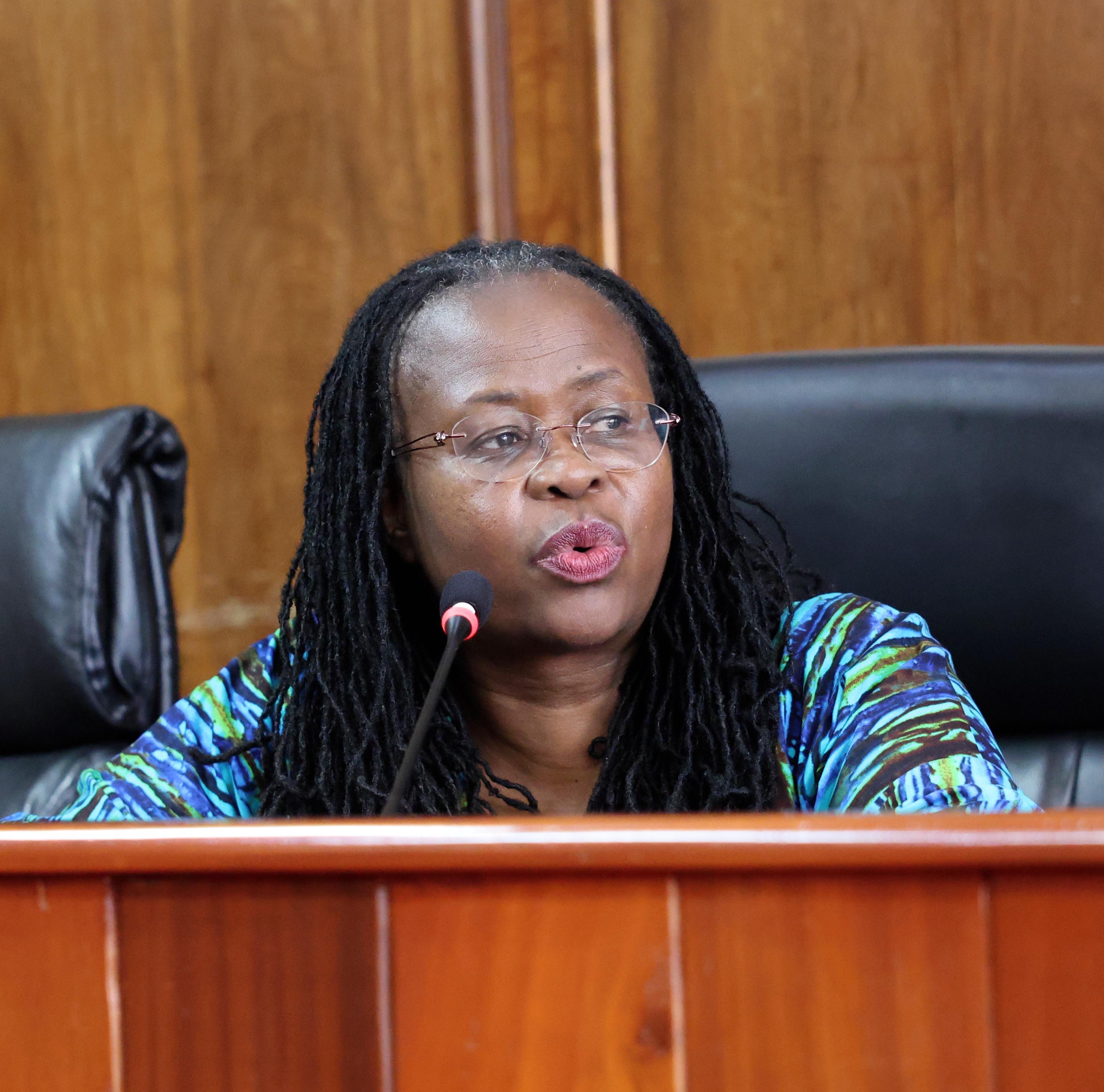
The Senate Standing Committee on Justice, Legal Affairs and Human Rights (JLAHR) has pushed for an urgent policy shift to stop the prosecution and re-victimization of Female Genital Mutilation survivors. Meeting with the Anti-FGM Board leadership, the lawmakers agreed that the Prohibition of Female Genital Mutilation Act of 2011 has inadvertently led to victims being treated as criminals.
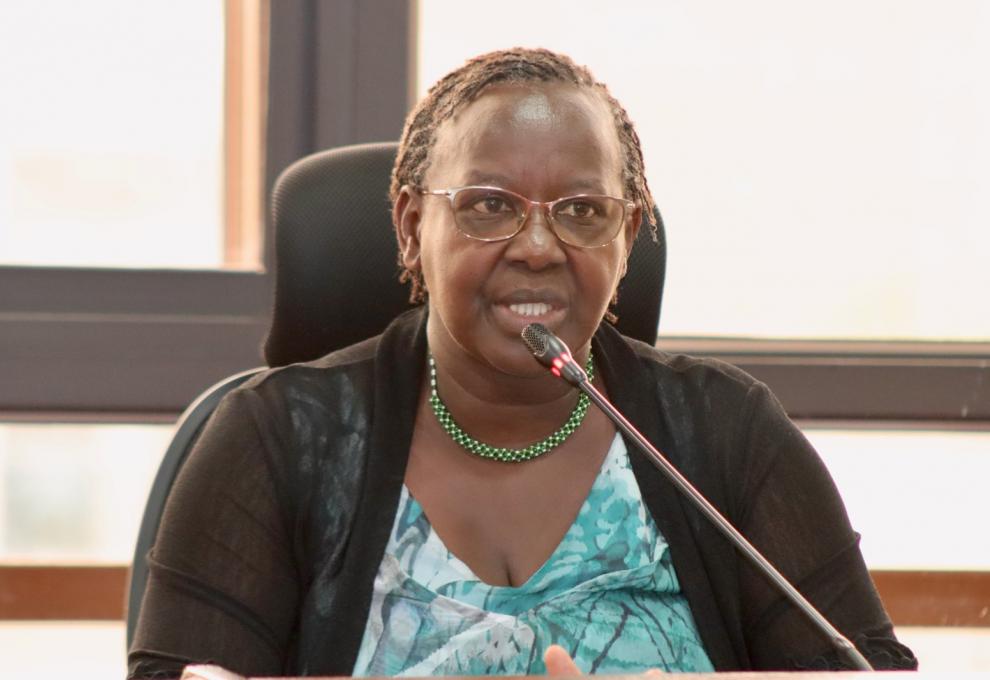
The current legal framework is traumatizing the very women and minors it was designed to protect. Taking the committee members through the presentation, Anti-FGM Board Chairperson Hon. Ipato Surum acknowledged the unintended consequences of the law. "We wish to state unequivocally that victims of FGM should be treated as survivors in need of protection, support, and rehabilitation, not as offenders," Surum told the committee.
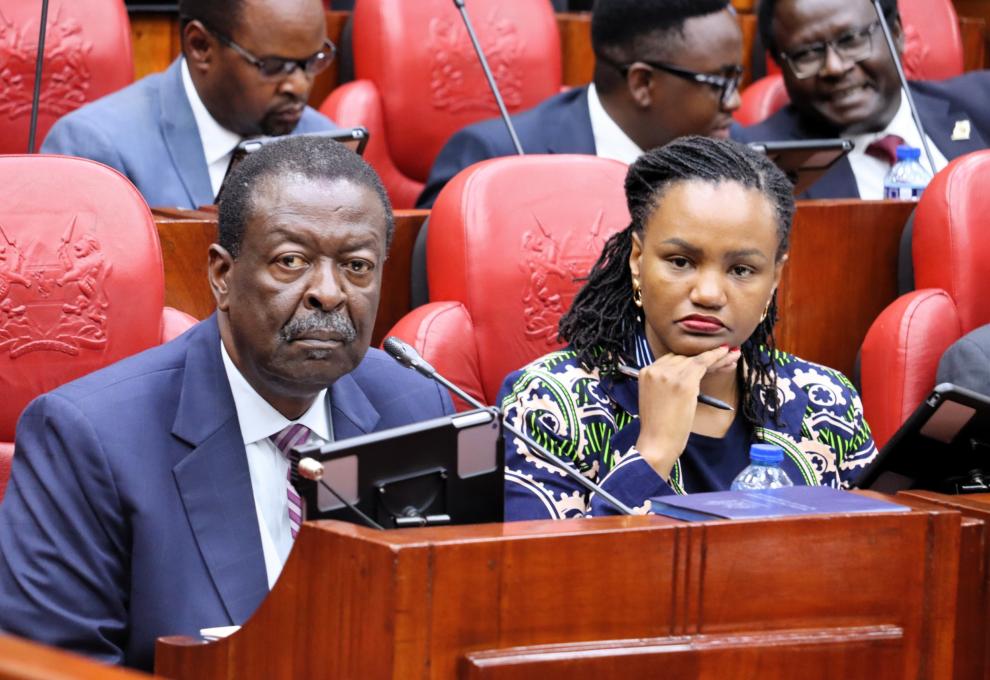
Today's hearing was triggered by a legislative statement from Senator Catherine Mumma. She exposed aggressive law enforcement tactics in hotspot counties like Bomet and Narok. She detailed how police set ambushes at suspected cutting ceremonies and arrest everyone present, including coerced minors.
"Failure to report is used as an easy charge to show enforcement statistics, leading to traumatization of minors," Senator Mumma explained. She strongly condemned the degrading practice where survivors undergo forced genital examinations just to procure prosecution evidence.
Committee Chairperson Senator Wakili Hilary Sigei directed the Board to supply localized intelligence and announced an upcoming fact-finding mission to the affected counties. "The committee requires raw dataset verification and denominators to validate presented prevalence figures and to shape legal and operational responses," Sigei stated.
The parliamentary debate revealed a sharp divide between relying on punitive law enforcement and pursuing systemic cultural change. Senator Okiya Omtatah criticized the current reactive framework. He termed this approach "ladism," or simply putting a lid on the problem, and challenged the government to adopt "brainism" instead. "Drain the swamp to remove conditions that produce harmful practices," Omtatah urged.
Echoing the need for preventative strategies, Senator Veronica Maina highlighted the success of church-led alternative rites of passage. She urged the state to officially scale and support these week-long "ropes experiences" as an affordable prevention strategy that transitions youth into adulthood without bodily harm.
Senator Daniel Maanzo added that heavy-handed enforcement has simply driven the practice underground. He noted that FGM is increasingly performed in secret or by medical personnel to evade the law.
Efforts to reform the justice response are currently hampered by flawed data. While Surum reported a drop in national prevalence to 14.8 percent, lawmakers questioned the integrity of the prosecution statistics provided by the Office of the Director of Public Prosecutions.
Senator Crystal Asige pointed out glaring numerical inconsistencies and demanded access to the raw data. "The county statistics you gave, out of how many women was this study? What are the sample sizes and denominators?" Asige asked.
In response, the Board committed to partnering with the Kenya National Bureau of Statistics to deliver age-disaggregated figures. The agency also agreed to help the Senate draft immediate legislative amendments to institutionalize a victim-centred justice approach.