
 What's on
 Things to Do
 Plan your Visit
 Media Rules and Filming
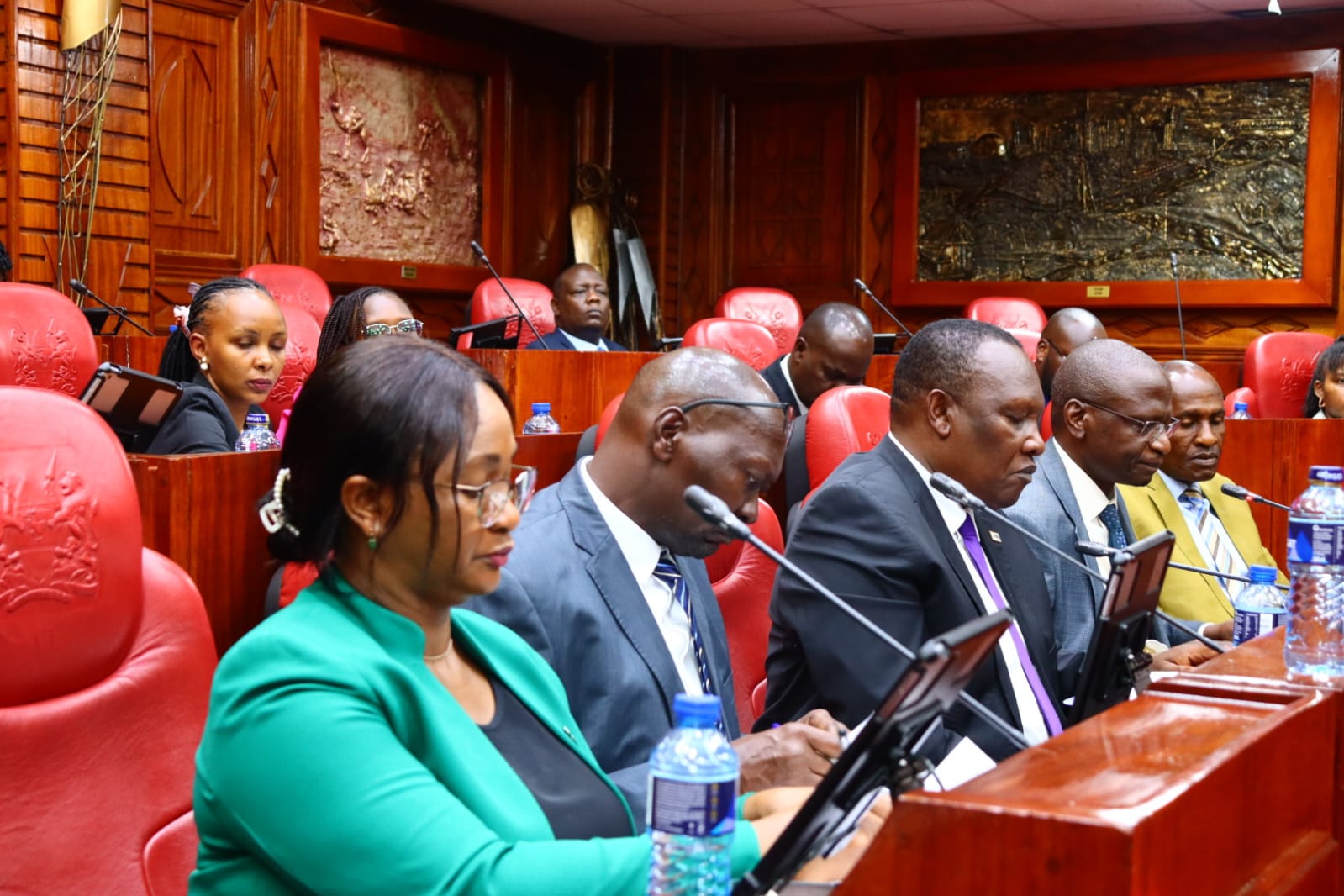
𝐀𝐍𝐓𝐈-𝐃𝐎𝐏𝐈𝐍𝐆 𝐁𝐈𝐋𝐋 𝐖𝐈𝐍𝐒 𝐁𝐑𝐎𝐀𝐃 𝐒𝐔𝐏𝐏𝐎𝐑𝐓 𝐀𝐒 𝐒𝐓𝐀𝐊𝐄𝐇𝐎𝐋𝐃𝐄𝐑𝐒 𝐐𝐔𝐄𝐒𝐓𝐈𝐎𝐍 𝐀𝐆𝐄𝐍𝐂𝐘’𝐒 𝐄𝐗𝐂𝐋𝐔𝐒𝐈𝐕𝐄 𝐌𝐀𝐍𝐃𝐀𝐓𝐄


The proposed Anti-Doping (Amendment) Bill, 2026, has received broad support from stakeholders, although concerns have emerged over the proposed exclusive mandate of the Anti-Doping Agency of Kenya (ADAK), the role of county governments and the rehabilitation of athletes who have served doping-related sanctions.
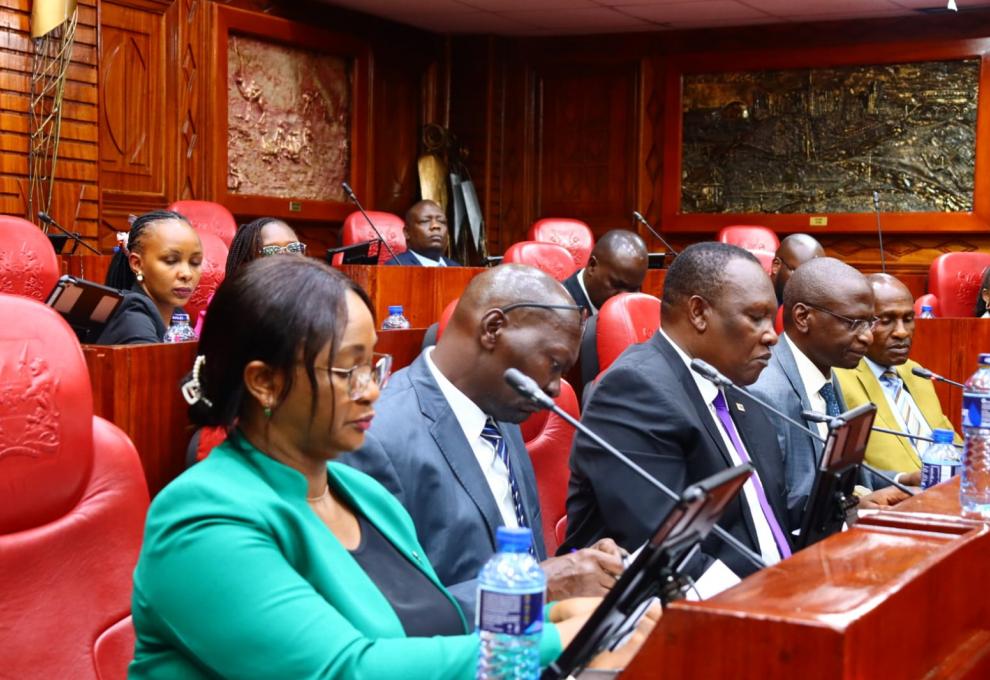
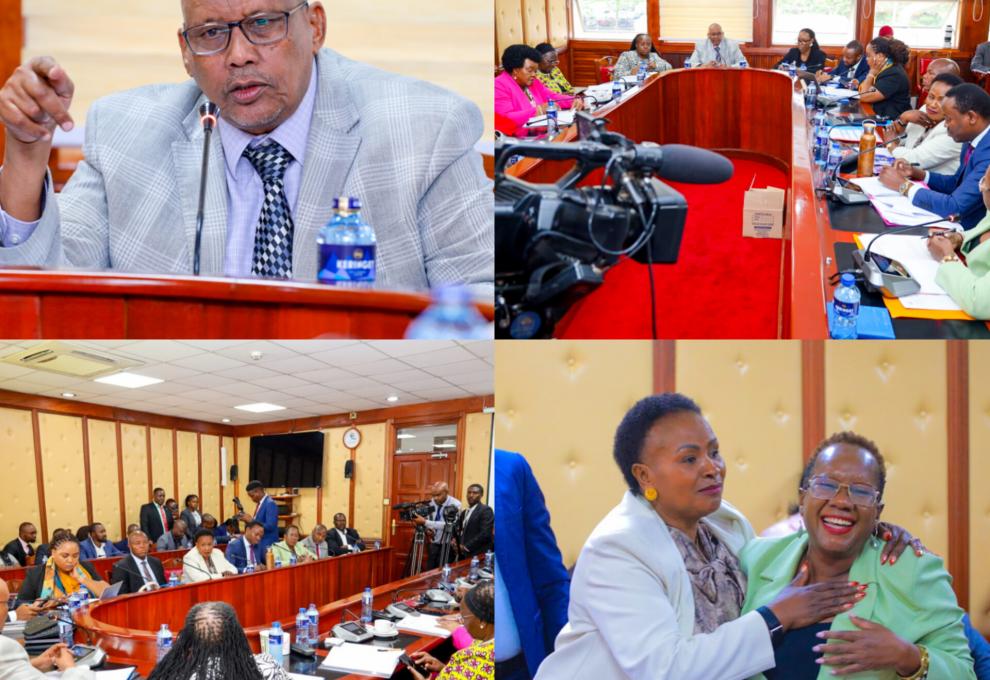
During a public participation exercise on the Bill convened by the Senate Committee on Labour and Social Welfare, chaired by Sen. Julius Murgor (West Pokot), stakeholders endorsed the proposed reforms but urged the Committee to address provisions they said could limit collaboration with other anti-doping organisations and fail to adequately recognise the constitutional role of county governments in sports development.
ADAK Chief Executive Officer Peninah Wahome told the Committee that the proposed amendments seek to align Kenya's anti-doping legislation with the revised World Anti-Doping Code, which takes effect on January 1, 2027. She said the review followed extensive stakeholder consultations, including public participation forums in 17 counties, which generated 529 submissions.
According to ADAK, support for the proposed amendments ranged between 79.1 per cent and 92.8 per cent, reflecting broad stakeholder endorsement of the reforms. The agency urged the Committee to pass the Bill in its current form, arguing that the changes were necessary to strengthen Kenya’s anti-doping framework, safeguard athletes and fulfil the country's international obligations.
However, the National Olympic Committee of Kenya (NOC-K) and Athletics Kenya (AK) raised concerns over Section 5(2A), which they argued could grant ADAK exclusive authority to undertake anti-doping activities in the country.
The two organisations cautioned that the provision could undermine the work of other authorised international and national bodies, including the International Testing Agency (ITA) and the Athletics Integrity Unit (AIU), which undertake testing, education and other integrity-related programmes.
They proposed replacing the restrictive wording with provisions that expressly allow ADAK to discharge its mandate in collaboration with other authorised organisations.
Susan Kamau, Chief Administrative Officer at Athletics Kenya, explained that, as a Category A affiliate, the organisation is required to meet obligations set by the Athletics Integrity Unit, including anti-doping testing and education programmes. She therefore urged the Committee to ensure the legislation accommodates existing international arrangements.
In response, ADAK maintained that it should retain lead responsibility for ensuring Kenya's compliance with the World Anti-Doping Code, while clarifying that its operations already involve collaboration with national federations, NOC-K and international anti-doping organisations through established partnerships.
The Council of Governors (CoG) also supported the Bill's objectives but called for amendments to recognise the constitutional role of county governments in sports development and administration.
The Council proposed amending Section 2 to expressly include county governments in the definition of sports organisations. It further recommended that ADAK's advisory role extend to both levels of government, noting that sports functions are undertaken within Kenya's devolved governance framework.
The Council also called for provisions relating to prosecution to remain aligned with the constitutional mandate of the Office of the Director of Public Prosecutions (ODPP). Additionally, it sought amendments to Section 7C to ensure that its limitations apply consistently to state organs at both national and county levels.
Wanjiru Kanyi of Trackside Legal proposed introducing a statutory framework for the rehabilitation and reintegration of athletes who have completed doping-related sanctions.
She highlighted the social stigma and challenges athletes often face after serving their suspensions, calling for structured support, including counselling, social reintegration and career guidance, to help them rebuild their lives and return to society.
However, stakeholders differed on whether ADAK should be responsible for providing such support or whether the responsibility should rest with institutions involved in athletes' development, including sports federations, schools, coaches and other talent-development programmes.
The Committee will consider the submissions as it scrutinises the Bill, with particular attention to the proposed scope of ADAK's mandate, the recognition of county governments and the additional safeguards required to support athletes beyond the enforcement of anti-doping sanctions.