 What's on
 Things to Do
 Plan your Visit
 Media Rules and Filming
𝐌𝐏𝐬 𝐒𝐄𝐄𝐊 𝐂𝐋𝐀𝐑𝐈𝐓𝐘 𝐀𝐍𝐃 𝐒𝐓𝐑𝐎𝐍𝐆𝐄𝐑 𝐅𝐑𝐀𝐌𝐄𝐖𝐎𝐑𝐊 𝐎𝐍 𝐖𝐎𝐌𝐄𝐍'𝐬 𝐄𝐂𝐎𝐍𝐎𝐌𝐈𝐂 𝐄𝐌𝐏𝐎𝐖𝐄𝐑𝐌𝐄𝐍𝐓 𝐏𝐎𝐋𝐈𝐂𝐘


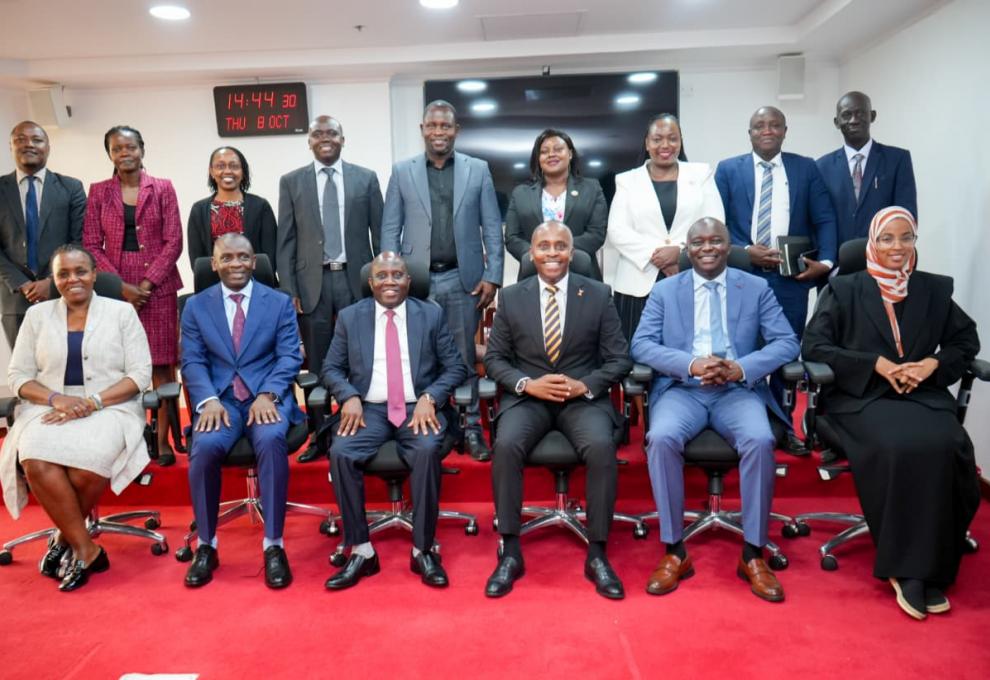
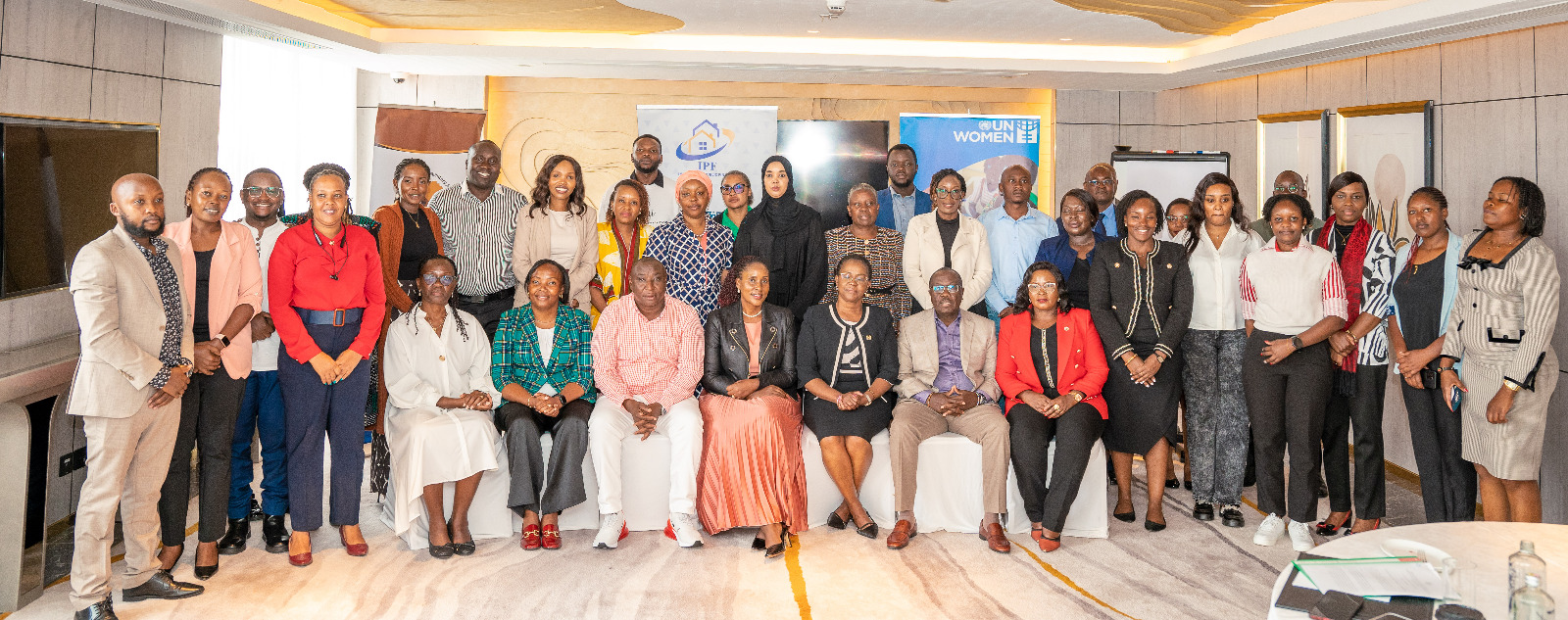
Members of the Kenya Women Parliamentary Association (KEWOPA) alongside their male allies have urged the Ministry of Gender & Affirmative Action to ensure that the National Policy on Women Economic Empowerment (NPWEE) effectively address the systemic barriers facing women.
The Policy aims to achieve gender equality, reduce poverty and foster inclusive economic growth to enable women’s entrepreneurship and participation in the economy.
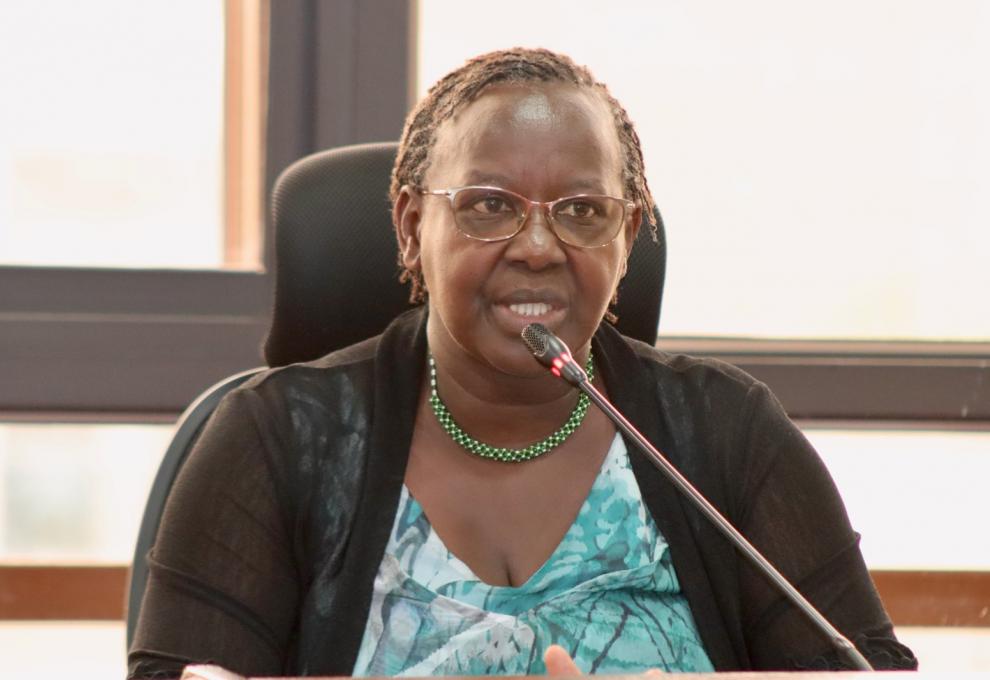
Speaking during the session organized by UN Women, KEWOPA, Institute for Public Finance (IPF) and the State Department for Gender & Affirmative Action, the Chairperson for Caucus 47, Hon. Jane Kagiri highlighted the importance of engaging MPs, noting that the platform enables lawmakers to scrutinize the policy constructively.
"This dialogue gives us an opportunity to interrogate the policy value within Kenya’s broader Women’s Economic Empowerment ecosystem. As legislators, we particularly want to understand: how does this policy complement existing frameworks? Where does it deepen impact, and where might there be risks of duplication especially with established mechanisms such as NGAAF and other ongoing WEE initiatives?" Hon. Kagiri posed.
The MPs tasked the Principal Secretary (PS) for the State Department of Gender and Affirmative Action, Ms. Anne Wang'ombe to expound on what the policy speaks to and what it seeks to achieve.
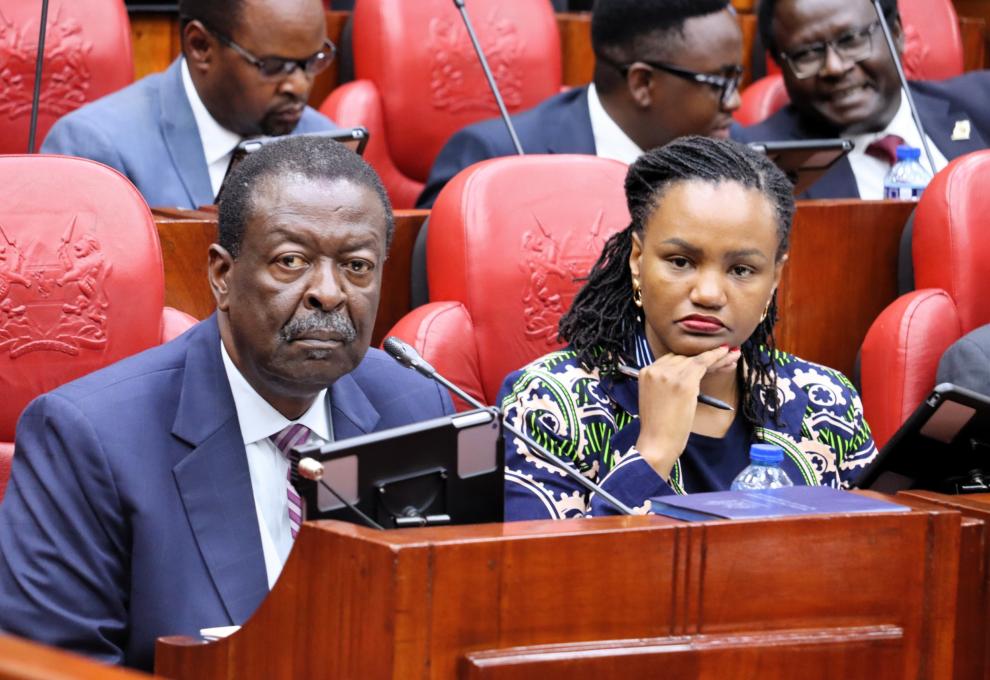
Hon. Hilary Kosgei (Kipkelion West) emphasized on the important role played by women in development, warning that underfunding would render the policy ineffective.
"Women are engines of families in all spheres and development. If we don't insist on budgetary allocations we will always be talking of policies which aren't firmed up," Hon. Kosgei said.
Echoing sentiments, Hon. Prof. Phyllis Bartoo (Moiben) reiterated that the policy must respond to the needs of women, while Hon. Esther Passaris (Nairobi) insisted that NPWEE should focus on interventions that empower households, noting that women have multiplier effect which then break cycles of poverty.
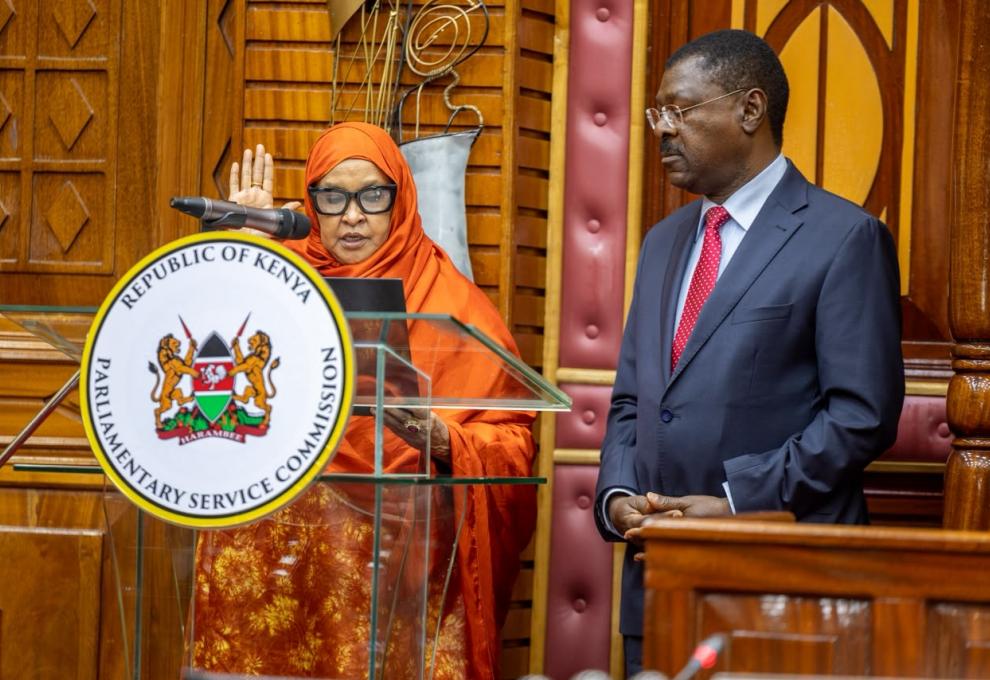
In her response, PS Anne Wang'ombe dismissed fears that the policy seeks to replace the National Government Affirmation Action Fund (NGAAF).
"I can't discredit the works being done by NGAAF. Alone, it can't fix the system barriers that are there. It is simply the fuel that women MPs pour into the engine," PS Wong'ombe said.
She further observed that the policy will streamline fragmented funding mechanisms across the Ministries, State Departments and Agencies and expand women's participation in leadership and on the decision table.
However, the PS urged the MPs to consider enhancing the budget for the State Department to help in the rollout and implementation of the policy.
Addressing the resource shortfall concern, Hon. Irene Njoki (Bahati) proposed consolidation of women empowerment funds under a single framework.
In her remarks, Hon. Alice Ng'ang'a called for Parliamentary involvement in the report to ensure that all concerns raised by MPs are captured in the policy.