
 What's on
 Things to Do
 Plan your Visit
 Media Rules and Filming
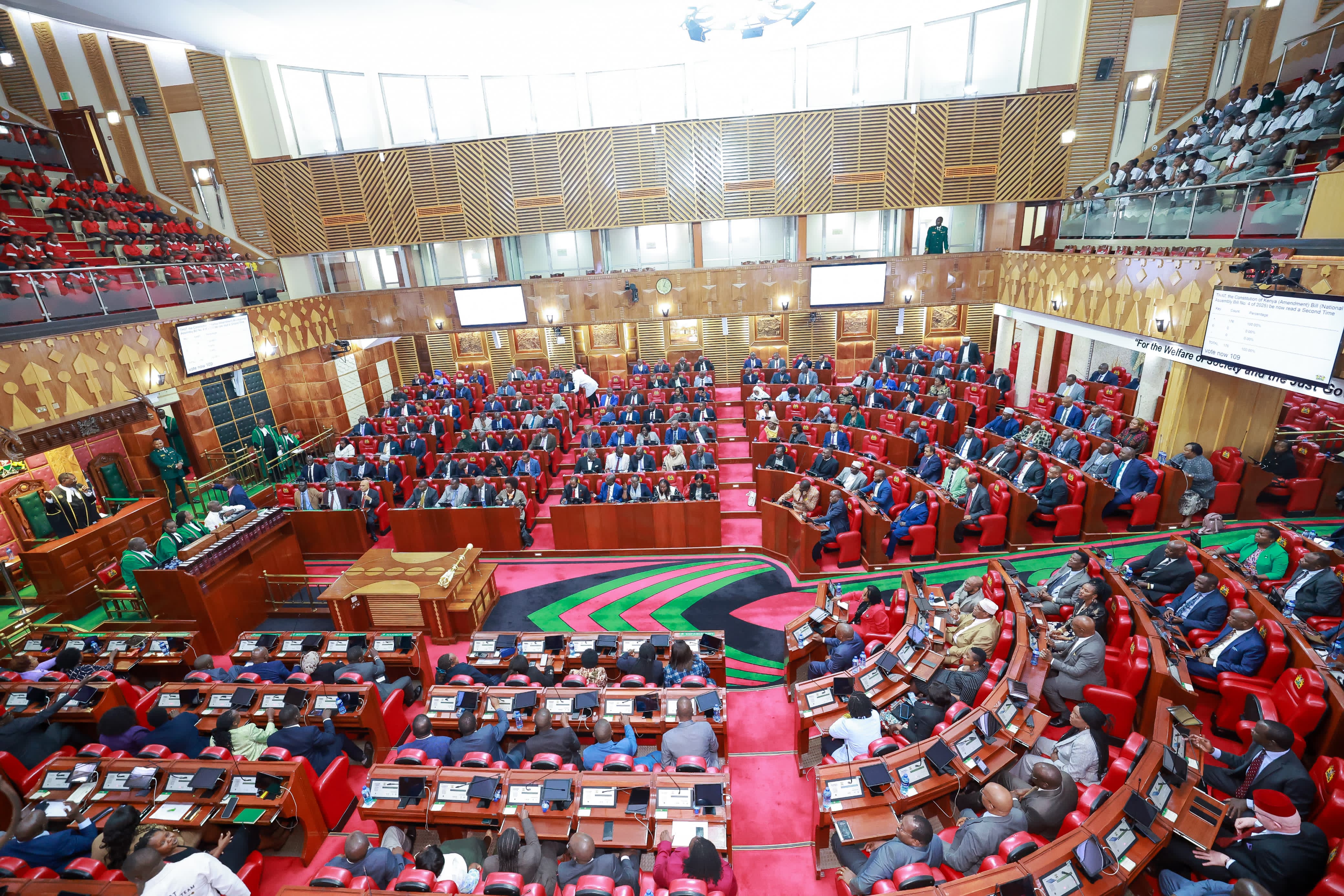
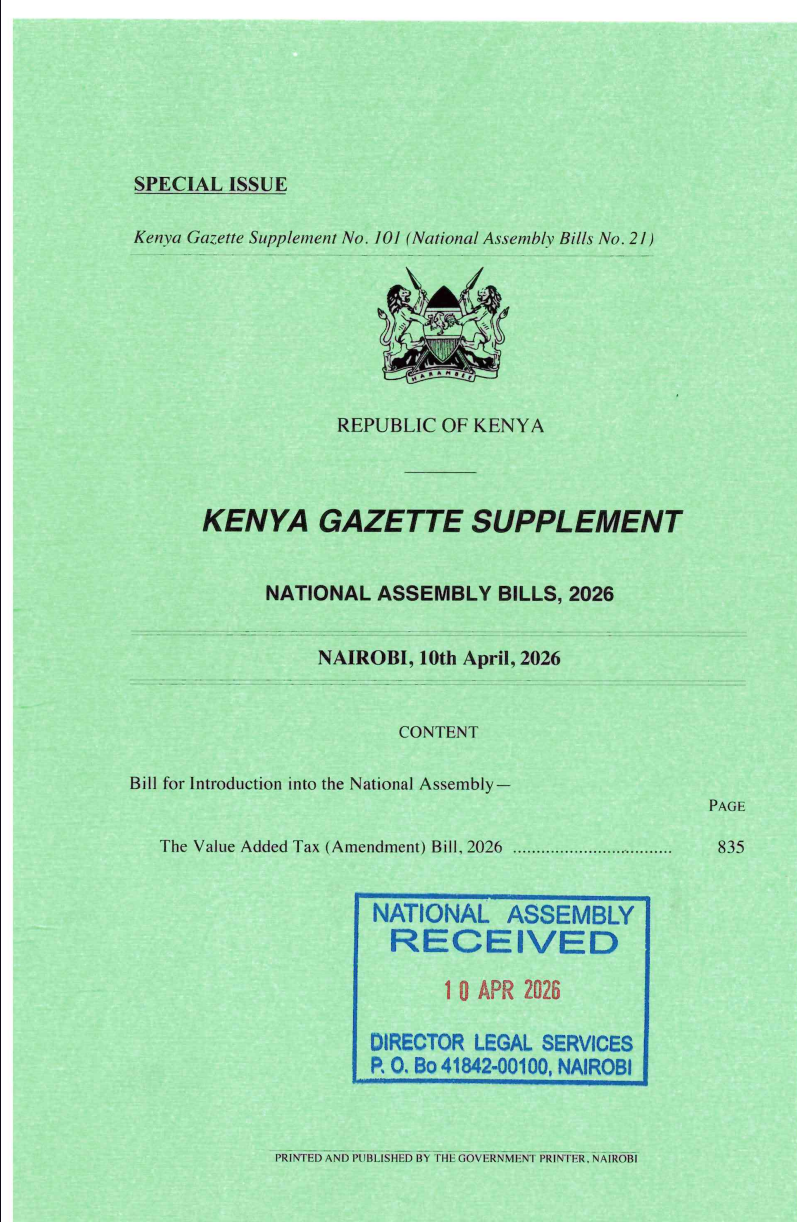
𝐑𝐄𝐋𝐈𝐄𝐅 𝐀𝐓 𝐓𝐇𝐄 𝐏𝐔𝐌𝐏 𝐀𝐒 𝐌𝐏𝐒 𝐀𝐏𝐏𝐑𝐎𝐕𝐄 𝐕𝐀𝐋𝐔𝐄 𝐀𝐃𝐃𝐄𝐃 𝐓𝐀𝐗 (𝐀𝐌𝐄𝐍𝐃𝐌𝐄𝐍𝐓) 𝐁𝐈𝐋𝐋, 𝟐𝟎𝟐𝟔


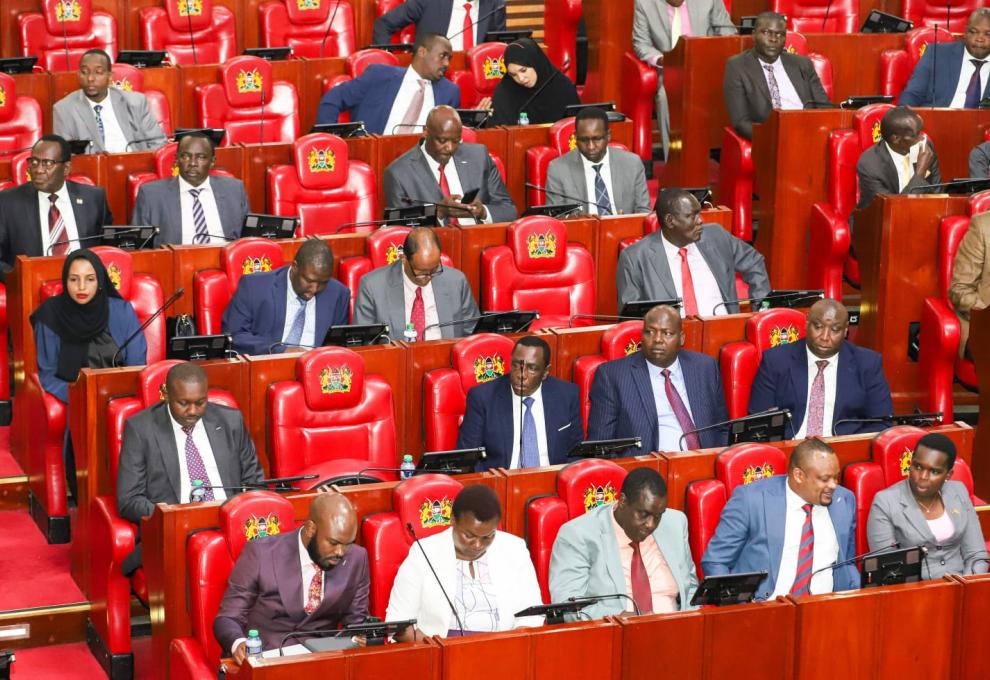
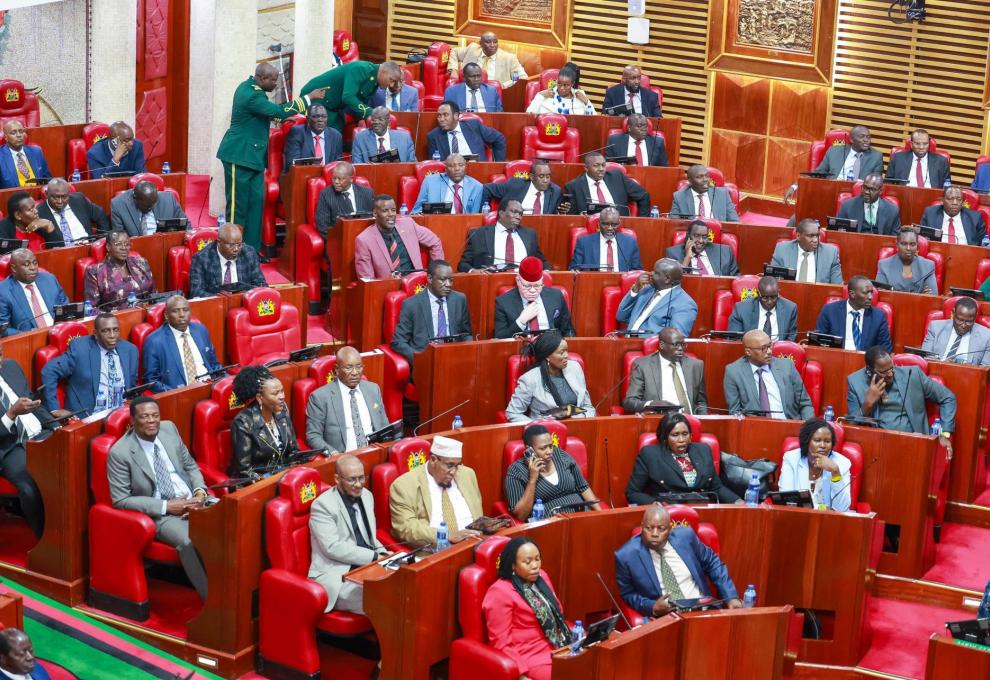
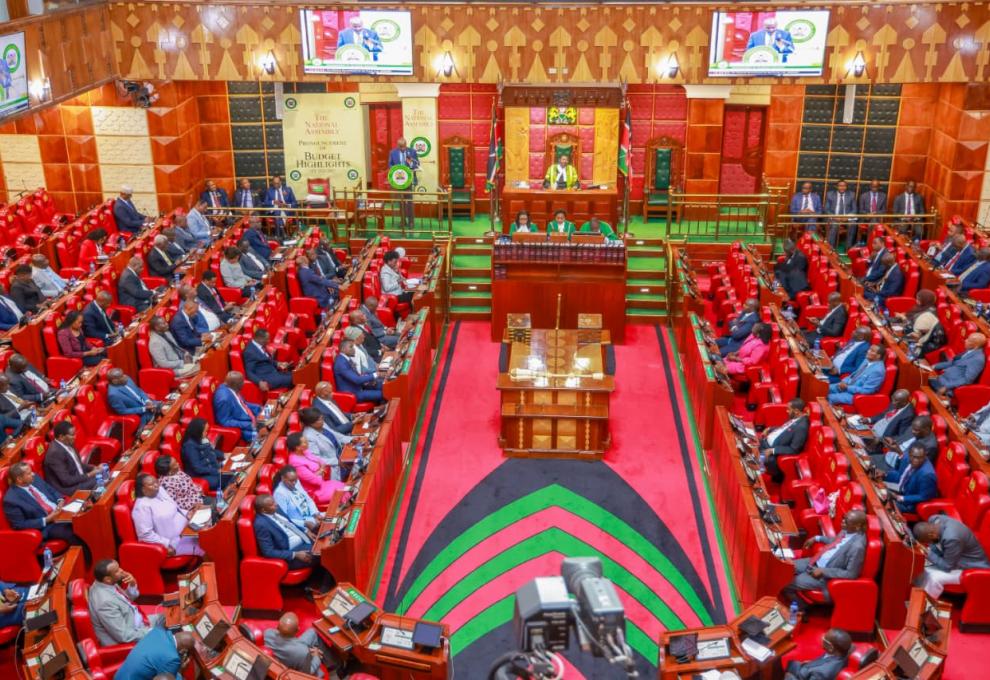
Kenyans are set for relief after the National Assembly passed the Value Added Tax (Amendment) Bill (National Assembly Bill No. 21 of 2026), cutting VAT on petroleum products from 16 percent to 8 percent in a move lawmakers say will lower fuel costs and stimulate economic activity.
The Bill amends the Value Added Tax Act to cushion households and firms grappling with elevated transport and production costs driven largely by global oil market volatility.
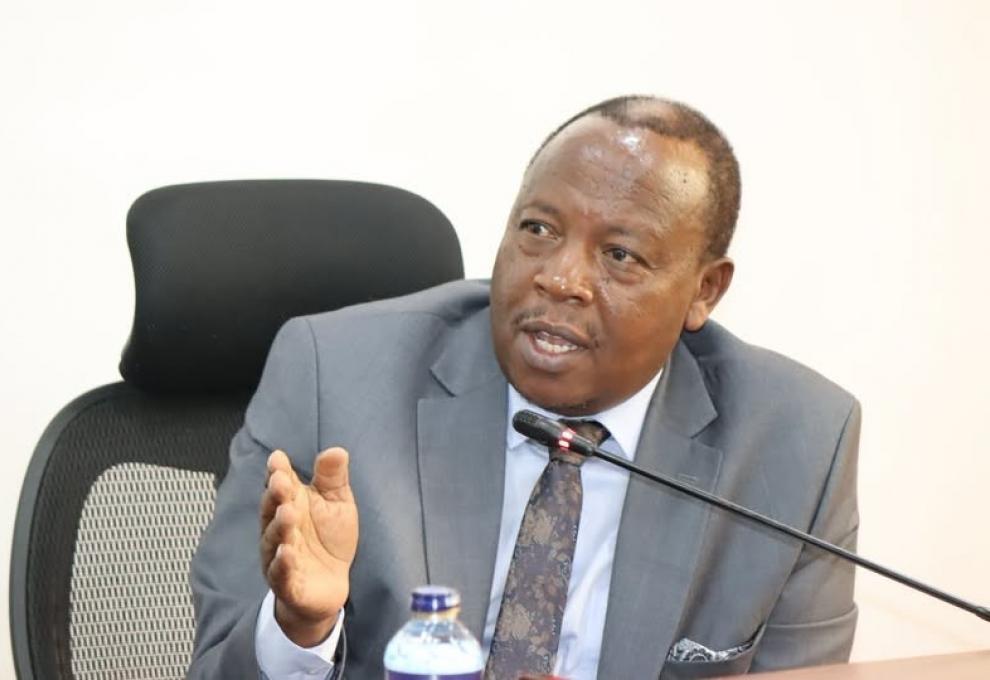
Deputy Majority Leader, Hon. Owen Baya told the House that the intervention was necessitated by external shocks rather than domestic policy failures. “Kenya exists within the global financial ecosystem, and therefore disruptions in the Middle East have greatly affected our country,” he said. “Having exhausted the provisions of Section Six of the VAT Act, we are now left with the option of an amendment Bill.”
The reduction is expected to have a direct pass-through effect on pump prices, with knock-on benefits across transport, manufacturing and agriculturesectors where fuel is a key input.
Fuel taxes account for a significant share of retail prices in Kenya, making fiscal adjustments one of the fastest levers for relief.
Kitui Central MP, Hon. Makali Mulu backed the Bill but urged a broader review of the tax regime on petroleum. “We need to pass this Bill as soon as possible to cushion Kenyans against high fuel prices,” he said. “But we must also look at other levies because we source fuel from the same markets as our neighbours, yet prices differ due to taxation.”
Lawmakers called for long-term energy security. Central Imenti MP, Hon. Moses Kirima.argued that developing Kenya’s own oil resources could shield the country from global price shocks. “Petroleum has been discovered in Kenya, yet we have not fully exploited it. That is a strategic gap,” he said.
Lawmakers further signalled expectations that savings from the tax cut should be transmitted to consumers. Kabuchai MP **Majimbo Kalasinga** cautioned transport operators against maintaining high fares. “If fuel prices fall, fares must come down. It is only fair to Kenyans,” he said.
Speaking on the efficiency of the government-to-government (G-to-G) fuel import framework. Suba South MP, Hon. Caroli Omondi questioned market concentration under the system, warning it could blunt the intended price benefits.