 What's on
 Things to Do
 Plan your Visit
 Media Rules and Filming
𝐁𝐔𝐃𝐆𝐄𝐓 𝐂𝐎𝐌𝐌𝐈𝐓𝐓𝐄𝐄 𝐄𝐍𝐆𝐀𝐆𝐄𝐒 𝐓𝐑𝐄𝐀𝐒𝐔𝐑𝐘 𝐂𝐒 𝐎𝐍 𝐑𝐄𝐕𝐄𝐍𝐔𝐄 𝐓𝐀𝐑𝐆𝐄𝐓𝐒, 𝐅𝐈𝐒𝐂𝐀𝐋 𝐏𝐑𝐈𝐎𝐑𝐈𝐓𝐈𝐄𝐒 𝐈𝐍 𝐑𝐄𝐕𝐈𝐄𝐖 𝐎𝐅 𝟐𝟎𝟐𝟔/𝟐𝟕 𝐁𝐔𝐃𝐆𝐄𝐓


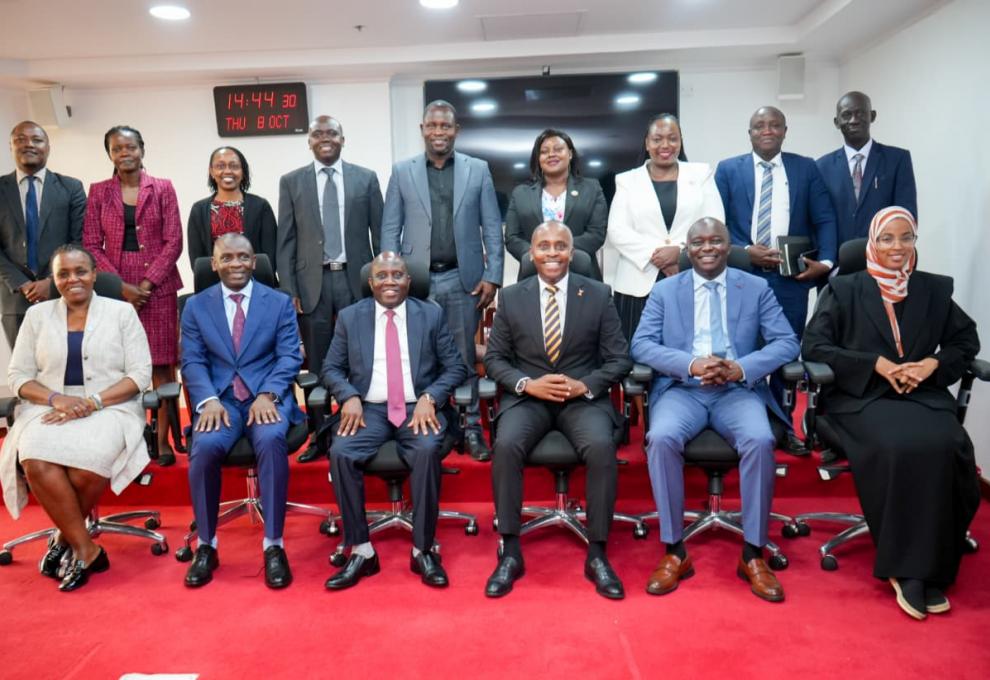
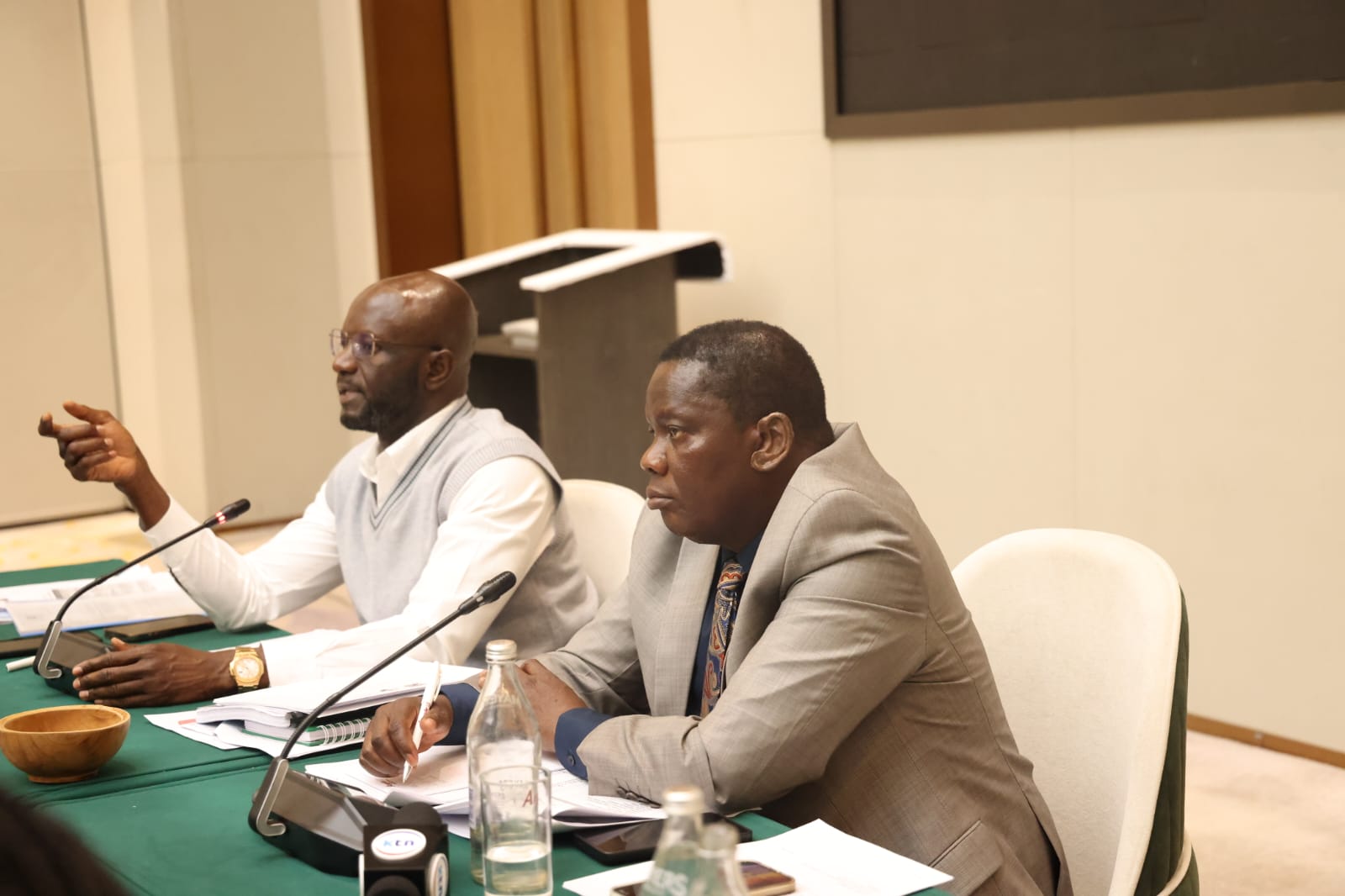
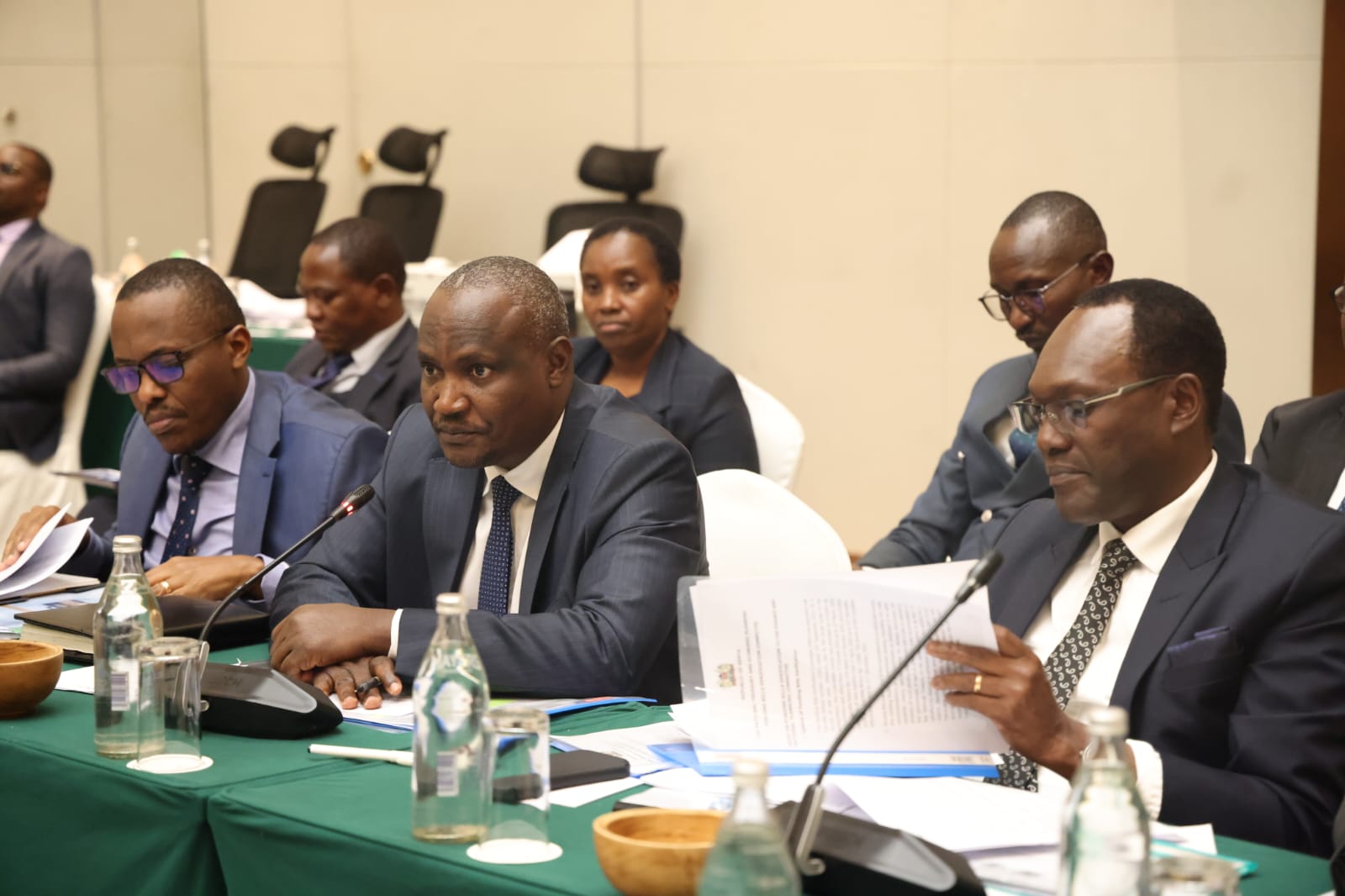
The Budget and Appropriations Committee, chaired by Hon. Samuel Atandi, has engaged the Cabinet Secretary for the National Treasury, Hon. John Mbadi, Treasury PS, Mr. Chris Kiptoo and DG, Budget and Fiscal Economic Affairs, Mr. Albert Mwenda on the FY 2026/27 Budget Estimates and the Medium-Term Fiscal Framework.
Appearing before the Committee, CS Mbadi defended the fiscal framework anchored on a projected total expenditure of Ksh 4.785 trillion, against total revenue including A-I-A of Ksh 3.629 trillion, resulting in a fiscal deficit of Kshs 1.111 trillion (5.3% of GDP).
Members raised concerns over the sustainability of revenue projections and underperformance in collection, with Hon. David Ochieng questioned how the Treasury is factoring in own-source revenue from counties.
“What measures are you to factor in own-source revenue from counties because we are losing a lot of money.” Hon. Ochieng posed.
In response, the Treasury indicated that the fiscal framework integrates reforms under the National Tax Policy and Medium-Term Revenue Strategy, including digital tax administration upgrades through the Kenya Revenue Authority and expanded non-tax revenue collection by MDAs.
CS Mbadi further noted that reforms such as land rent restructuring and instant fines have been incorporated into revenue projections, alongside enhanced KRA enforcement systems.
On the Social Health Authority, Hon. Samuel Atandi raised concerns following Health Committee submissions suggesting that increased funding could ease systemic challenges in healthcare delivery.
Similarly, Hon. John Chikati demanded accountability on SHA enrolment and benefit utilization, “Over 27 million have registered for SHA. We need to know who has benefited. Out of the 27 million enrolled, who is paying premiums?” he asked.
The Treasury acknowledged that SHA enrolment stands at over 27 million Kenyans, with approximately 5 million active contributors—about 4 million from payroll and up to 1 million voluntary contributors. However, Mbadi conceded that detailed beneficiary data rests with the SHA Board and Ministry of Health.
“We may not have all the figures here, but the SHA Board can provide them. We need to allocate more resources to primary healthcare,” Treasury CS stated.
On health financing, the National Treasury confirmed that Kenya has made significant progress in universal health coverage with over 27 million Kenyans enrolled in SHA, 107,831 Community Health Promoters deployed and 228 Primary Healthcare Networks established.
Hon. Naisula Lesuuda raised concerns over pending bills and the sustainability of capitation funding for education, questioning whether it should be prioritised as a first charge on the Exchequer.
The Treasury CS attributed pending bills to historical exchequer release delays but noted significant progress in clearing arrears.
“We have been working over the past two financial years to ensure disbursements are up to date. Payments to counties, NG-CDF and NGAAF are almost current,” he said.
On education financing, the CS confirmed continued prioritisation of teacher recruitment and internship programmes, including plans to recruit 24,000 intern teachers.
Hon. Japheth Nyakundi questioned the effectiveness of the Electronic Government Procurement (EGP) system.
Hon. Mbadi reported substantial progress in adoption across government institutions. “We started slow, but today almost the entire government has on boarded EGP. Most MDAs have trained personnel using the system,” he said.
He further disclosed plans for an integrated county revenue collection system, developed through the Intergovernmental Budget and Economic Council (IBEC), to harmonise manual and digital revenue collection systems.
Committee Vice Chair, Hon. Robert Pukose sought clarity on the implementation of the Single Treasury Account (STA), referencing audit concerns raised by the Auditor-General.
The Treasury CS confirmed that reforms were ongoing, noting improved coordination in cash management but acknowledging that full consolidation was still in progress.
Responding to Hon. Samuel Atandi, the Treasury CS disclosed that the Contingency Fund had not been utilised in the last financial year.
“This year we have added more funds. We have not approved the use of Article 223 since the House approved the Supplementary Estimates I,” Mbadi said.
On Public-Private Partnerships, Mbadi highlighted ongoing projects including the Nairobi Expressway Lot 3, Galana Kulalu Food Security Project, geothermal expansion at Menengai, and annuity road programmes.
He said PPPs remain central to reducing pressure on public debt while accelerating infrastructure delivery.
CS Mbadi told the Committee that the FY 2026/27 budget is anchored on BETA’s five pillars—agriculture, MSMEs, housing, digital economy, and healthcare.
Key reforms highlighted include expansion of SHA with over 27 million enrolled citizens, digitisation of land records under Ardhi Sasa, with over 1 million title deeds issued, expansion of fibre optic infrastructure to over 80,000 kilometres, creation of 404 digital hubs and over 1.5 million youth trained under Ajira, construction of over 214,000 affordable housing units across counties and fertiliser and seed subsidies to support agricultural productivity.
CS Mbadi noted that Kenya’s economy remains resilient despite global shocks, including rising oil prices and geopolitical tensions, with projected growth revised to 5.0 percent in 2026.
“We remain committed to growth-supportive consolidation while ensuring resources reach priority sectors that directly impact citizens,” CS Mbadi told the Committee.
The Committee has concluded scrutiny of sectoral allocations and will table its report in the National Assembly next week on Tuesday