
 What's on
 Things to Do
 Plan your Visit
 Media Rules and Filming
𝐁𝐈𝐋𝐋 𝐒𝐄𝐄𝐊𝐈𝐍𝐆 𝐓𝐎 𝐒𝐓𝐑𝐄𝐍𝐆𝐓𝐇𝐄𝐍 𝐑𝐄𝐆𝐔𝐋𝐀𝐓𝐈𝐎𝐍 𝐎𝐅 𝐌𝐈𝐂𝐑𝐎𝐅𝐈𝐍𝐀𝐍𝐂𝐄 𝐁𝐀𝐍𝐊𝐒 𝐈𝐍𝐓𝐑𝐎𝐃𝐔𝐂𝐄𝐃 𝐈𝐍 𝐓𝐇𝐄 𝐇𝐎𝐔𝐒𝐄


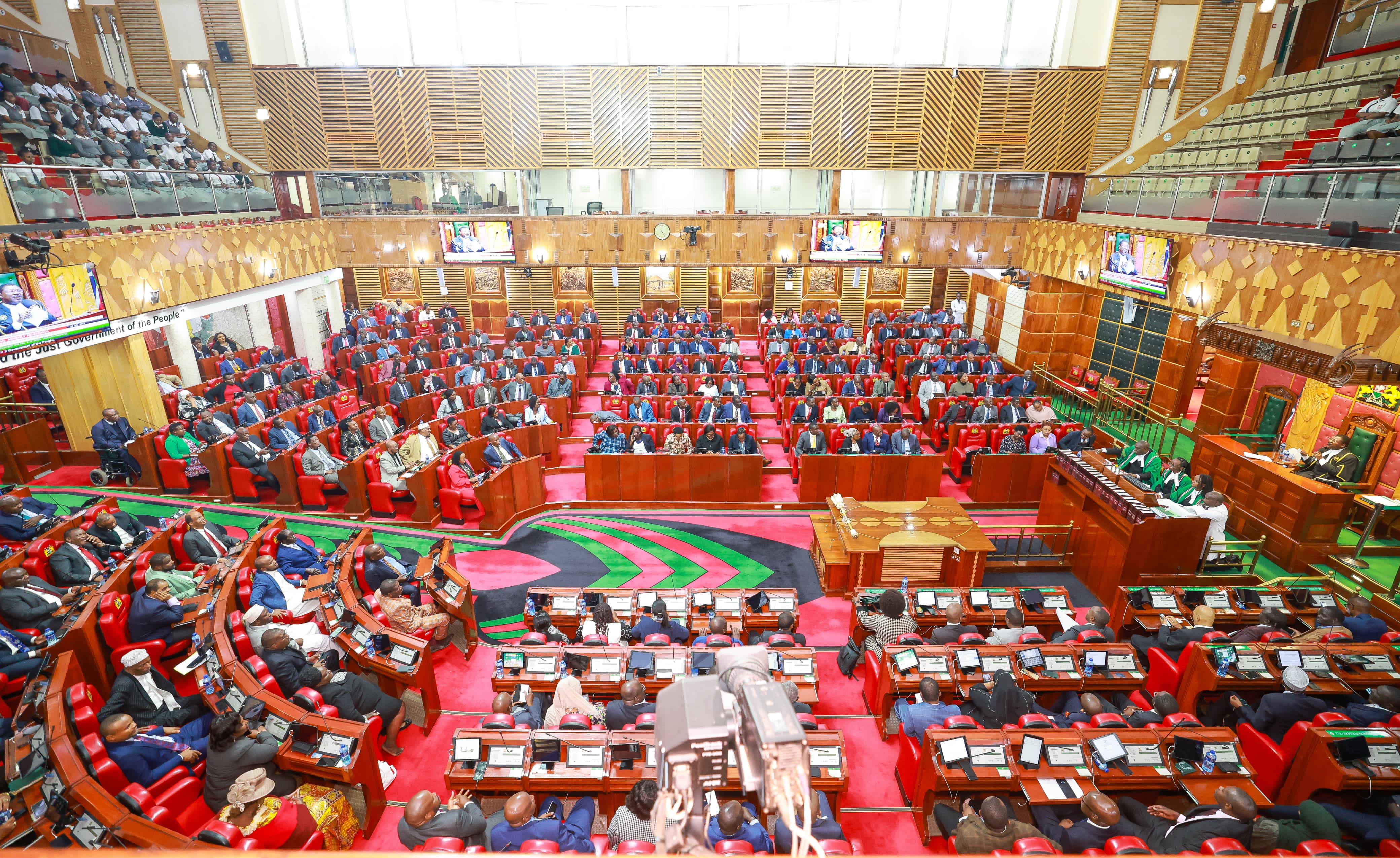
The Microfinance Bill, National Assembly Bill No 26 of 2026 which seeks to amend the laws regulating microfinance businesses in Kenya has undergone its first reading in the National Assembly
The Bill sponsored by the Leader of Majority, Hon. Kimani Ichung’wah seeks to repeal and replace the existing Microfinance Act, 2006 in a move aimed at aligning the law with the evolving nature of microfinance banking and strengthening consumer protection in the sector.
The Bill seeks to create a safer and more stable operating environment for microfinance banks while enhancing oversight by the Central Bank of Kenya (CBK). The proposed law is intended to support the liquidity, solvency and proper functioning of a stable market based financial system.
The proposed legislation introduces stricter licensing requirements for institutions offering microfinance banking services and bars any entity from conducting such business without approval from the CBK. It also gives the regulator powers to inspect premises suspected of operating illegally and outlines procedures for revoking licences where institutions fail to comply with the law.
To strengthen financial stability, the Bill introduces provisions on minimum capital requirements absorb losses, liquidity ratios to maintain readily available cash and risk management measures for microfinance banks. It further places restrictions on insider lending, declaration of dividends and transfer of shares.
The Bill also proposes stronger corporate governance measures by separating significant shareholders from direct management roles and setting standards for board composition and directors’ responsibilities.
Should the Bill pass, microfinance banks will be required to submit regular accounts and reports to the CBK, while auditors will be subjected to stricter oversight provisions. Institutions will also be required to grant the CBK online access to their systems to enhance supervision and compliance monitoring.
The legislation further introduces consumer protection safeguards, including controls on false advertising, disclosure requirements on loans and limits on interest recoverable from defaulted loans. Non deposit taking entities will also be prohibited from receiving deposits or cash collateral from the public.
If enacted, the Bill will grant the Central Bank powers to issue regulations, prescribe penalties for non-compliance and oversee the transition from the current legal framework under the Microfinance Act, 2006.