
 What's on
 Things to Do
 Plan your Visit
 Media Rules and Filming
𝐌𝐏𝐒 𝐁𝐀𝐂𝐊 𝐁𝐈𝐋𝐋 𝐓𝐎 𝐏𝐑𝐎𝐕𝐈𝐃𝐄 𝐒𝐓𝐀𝐓𝐄 𝐒𝐔𝐏𝐏𝐎𝐑𝐓 𝐅𝐎𝐑 𝐓𝐇𝐎𝐔𝐒𝐀𝐍𝐃𝐒 𝐎𝐅 𝐋𝐄𝐀𝐑𝐍𝐄𝐑𝐒 𝐈𝐍 𝐈𝐍𝐅𝐎𝐑𝐌𝐀𝐋 𝐒𝐂𝐇𝐎𝐎𝐋𝐒






Members of the National Assembly have passed the Basic Education (Amendment) Bill, 2025, which seeks to formally recognise Alternative Provision for Basic Education and Training (APBET) institutions and bring them into Kenya’s basic education framework.
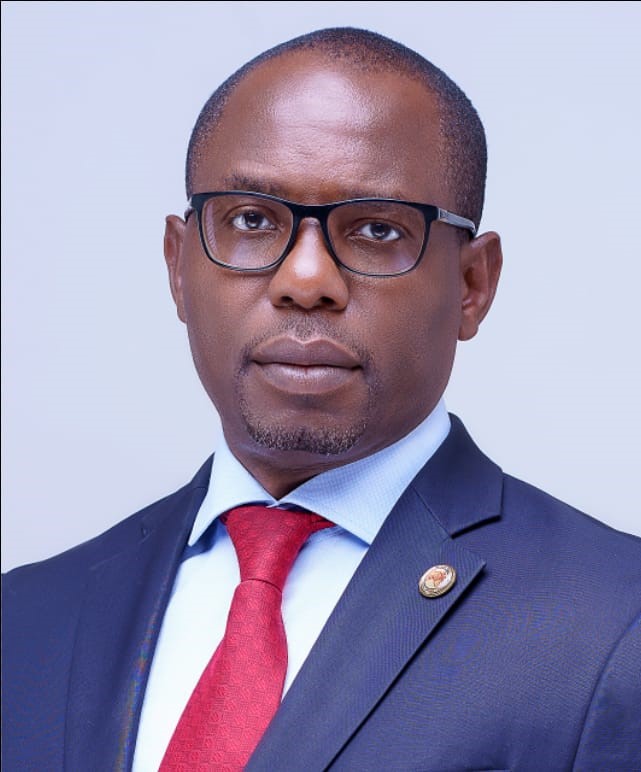
The Bill, sponsored by Mathare MP Hon. Anthony Oluoch, seeks to address a growing gap in the education system where thousands of children, particularly those living in informal settlements and marginalised communities, rely on non-formal schools for access to basic education.
Moving the Bill for Second Reading, Hon. Oluoch said the proposed reforms would give effect to constitutional guarantees on equality, human dignity and the right to education, including Articles 10, 27, 43 and 53 of the Constitution.
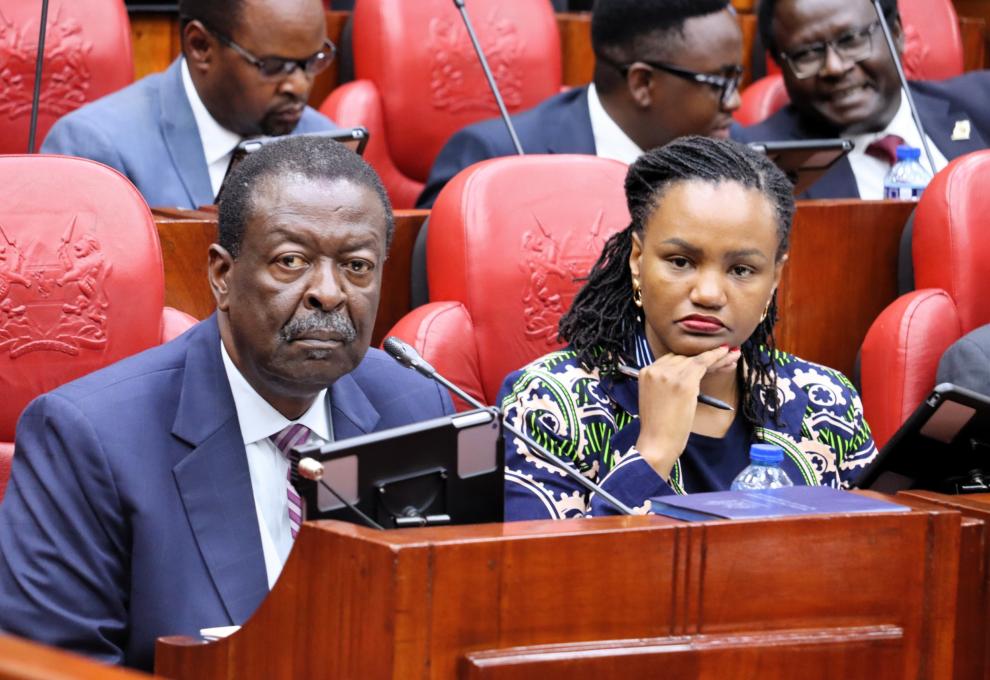
Kibra MP, Hon. Peter Orero noted that in informal settlements such as Kibra, APBET institutions significantly outnumber public schools. “There are about 300 of these schools, while public primary schools are only 11. Many students therefore end up in APBET schools,” he added, urging lawmakers to pass the Bill to ensure equitable access to education.
“This is an opportunity to ensure that children in informal settlements can access education and that resources trickle down to them through recognition of their schools,” added Hon. Orero.
Seme MP Hon. Dr. James Nyikal said failure to recognise the institutions has created an education funding gap that directly affects vulnerable learners.
“Education is a basic right in our Constitution, yet the current system does not adequately recognise APBET. In some areas, there are more children in these schools than in formal institutions, yet they are excluded from funding,” said Hon. Nyikal.
The proposed law could therefore have a direct impact on families in informal settlements by opening the door for greater public investment in learning infrastructure, teaching and learning materials and institutional oversight.
It proposes to include APBET institutions in the definition of basic education institutions, provide for their representation in national and county education structures, and facilitate funding for infrastructure and learning materials.
The Bill would also require counties to maintain a database of APBET institutions and introduce flexibility in their registration requirements, measures intended to provide the government with a clearer picture of the state of learning.
Ruraka MP Hon. Moses Kajwang supported the proposed reforms, describing formal recognition of APBET institutions as long overdue.
“It is unfortunate that it has taken this long to recognise vulnerable children in informal settlements and rural areas who lack access to education,” she said.
If enacted, the Bill would effectively mainstream APBET institutions into Kenya’s education system, bringing greater visibility, regulation and potentially public support to schools that already play a significant role in educating children.