
 What's on
 Things to Do
 Plan your Visit
 Media Rules and Filming
𝐅𝐀𝐑𝐌𝐄𝐑𝐒 𝐒𝐄𝐓 𝐓𝐎 𝐁𝐄𝐍𝐄𝐅𝐈𝐓 𝐀𝐒 𝐍𝐀𝐓𝐈𝐎𝐍𝐀𝐋 𝐀𝐒𝐒𝐄𝐌𝐁𝐋𝐘 𝐆𝐑𝐄𝐄𝐍𝐋𝐈𝐆𝐇𝐓𝐒 𝐁𝐈𝐋𝐋 𝐓𝐎 𝐌𝐎𝐃𝐄𝐑𝐍𝐈𝐒𝐄 𝐀𝐆𝐑𝐈𝐂𝐔𝐋𝐓𝐔𝐑𝐀𝐋 𝐄𝐗𝐓𝐄𝐍𝐒𝐈𝐎𝐍 𝐒𝐄𝐑𝐕𝐈𝐂𝐄𝐒







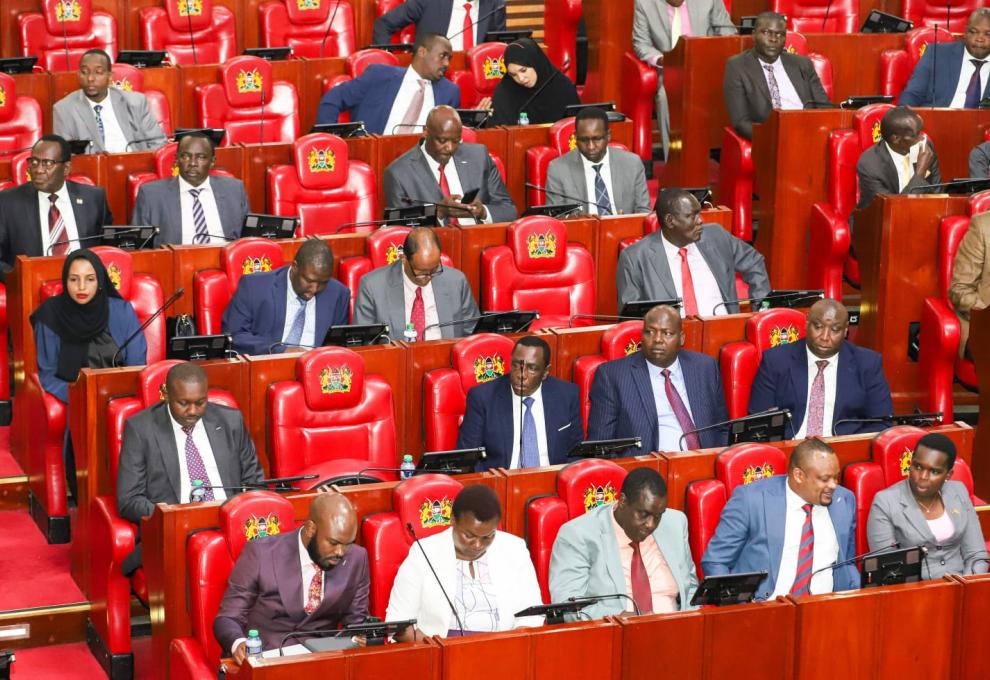
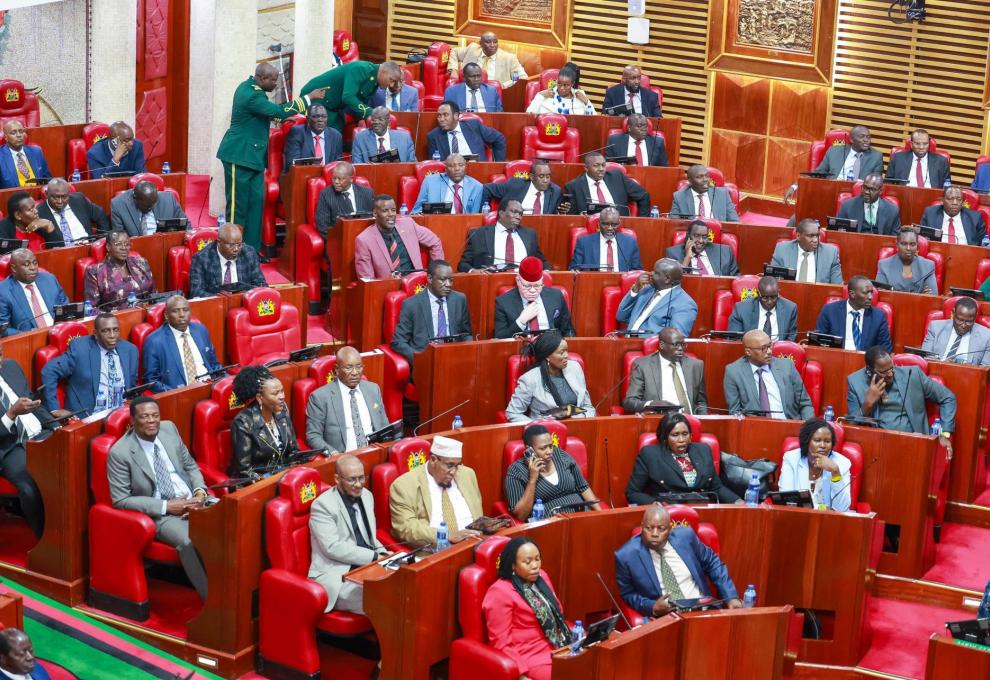
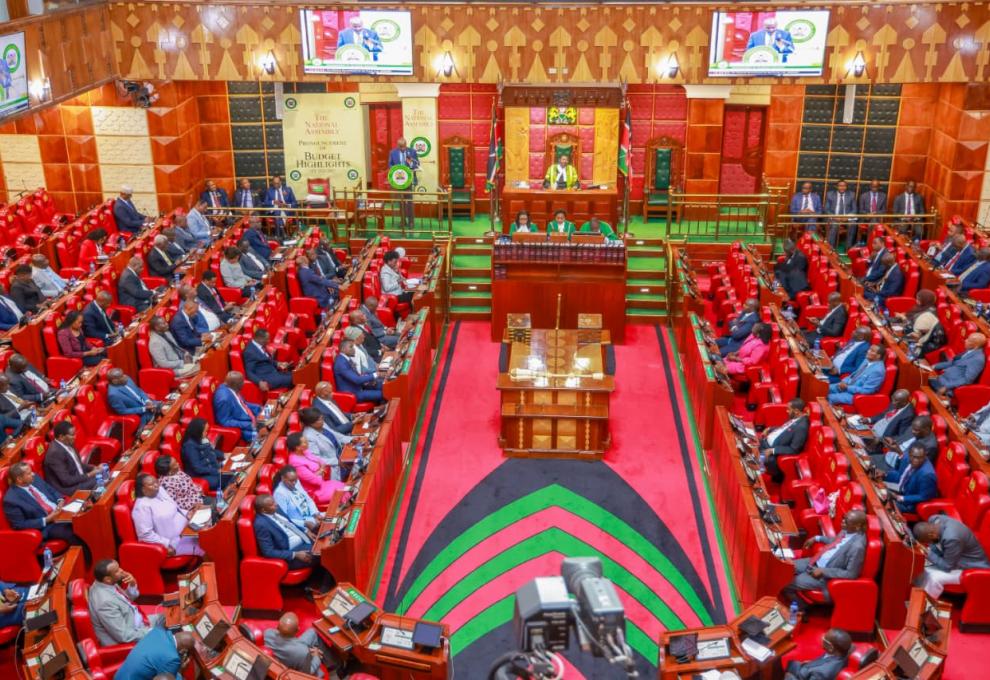
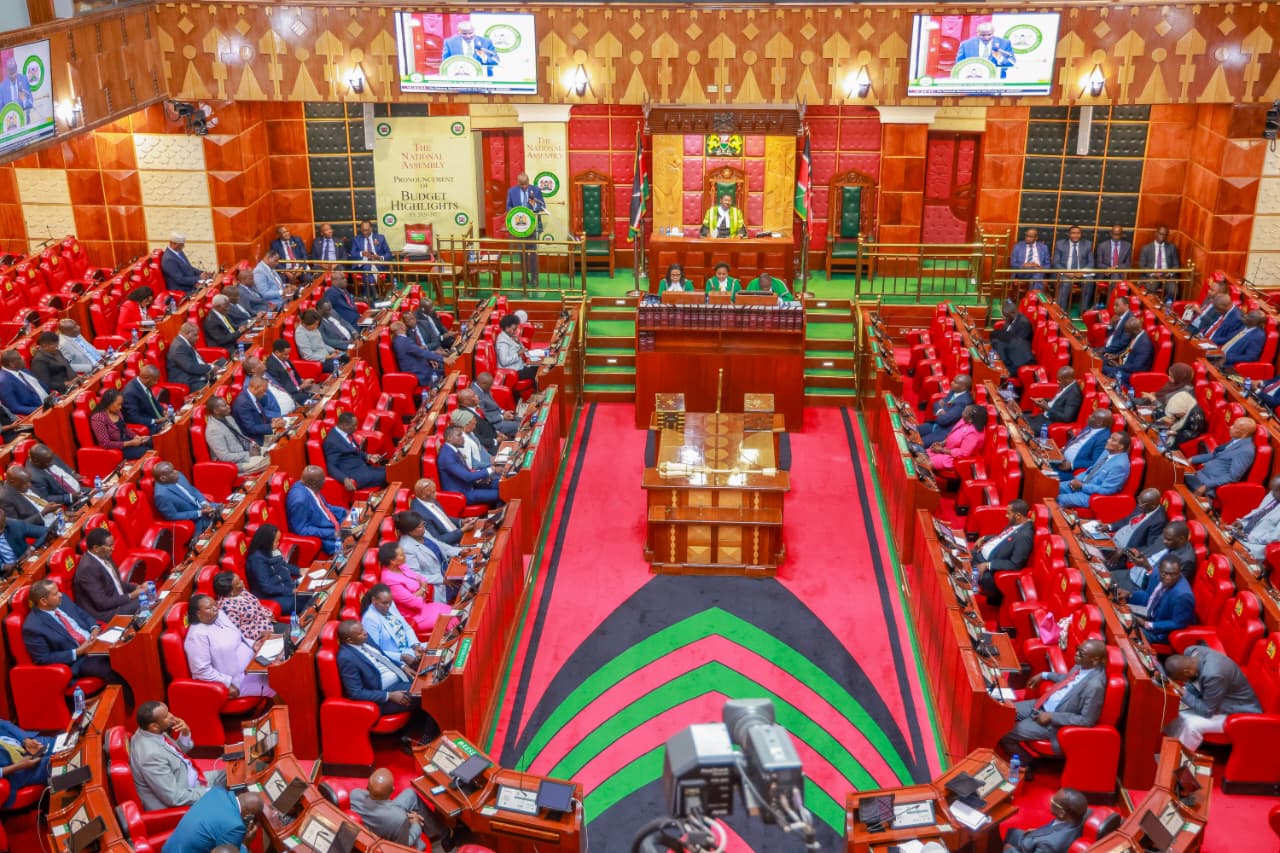
The National Assembly approved the Agricultural and Livestock Extension Services Bill (Senate Bill No. 12 of 2022) on June 10, 2026, paving the way for a more coordinated, technology-driven and farmer-centred agricultural extension system aimed at improving productivity, increasing incomes and strengthening food security across the country.
The Bill establishes a legal framework for agricultural and livestock extension services, with Members of Parliament backing key amendments designed to link research institutions directly with farmers, promote the use of modern technology and improve coordination between the national and county governments.
Chairperson of the Departmental Committee on Agriculture and Livestock, Hon. (Dr.) John Mutunga (Tigania West), said the amendments were necessary to align extension services with modern agricultural practices and emerging technologies.
Among the major gains in the Bill is the introduction of Information and Communication Technology (ICT) into extension services, enabling farmers to access timely information, innovations and best practices through digital platforms.
"We needed to introduce a technological aspect into the Bill. The Bill previously did not include anything on Information and Communication Technology (ICT). Therefore, we have proposed amendments to introduce ICT usage in extension services," said Hon. Mutunga.
The legislation also requires the establishment of a national agriculture and livestock extension data centre to serve as a central repository for agricultural information, research findings and extension data.
Hon. Mutunga noted that the repository would make it easier for county governments and farmers to access critical information.
"There is a need for that data to be collected and stored in a readily retrievable manner within one institution so that, when county governments require this information, they will be able to obtain it from the repository rather than trying to look around for where the information could be gotten from," he said.
The Bill further seeks to enhance coordination between researchers, extension officers and farmers to ensure innovations developed in research institutions reach farmers more effectively.
Supporting the amendments, Buuri MP Hon. Mugambi Rindikiri said stronger linkages between research and farmers would improve agricultural outcomes.
"Extension services should be linked to research and the farmers. That was missing from the original Bill. Therefore, this amendment will be helpful," he said.
The legislation also promotes the adoption of new technologies and innovations to modernise extension services and encourage smart farming practices.
Dagoretti North MP Hon. Beatrice Elachi said the reforms would help farmers address emerging challenges, including climate change and crop and livestock diseases.
"This will really help farmers research and understand climate change, adapt to the diseases that are prevalent today and ensure that agricultural innovations lead to smart farming," she said.
Another key provision strengthens collaboration between national and county governments by assigning responsibility for extension services to county governments rather than specific county officials, ensuring continuity regardless of administrative changes.
Welcoming the move, Hon. Mugambi also said farmers would finally have a stronger voice in the management of extension services.
"This Bill has really answered one of our prayers: that the farming community, particularly large-scale farmers, be allowed to be part of a body like this," he said.
Once enacted, the Agricultural and Livestock Extension Services Bill is expected to strengthen agricultural advisory services, improve technology transfer, support evidence-based farming decisions and enhance productivity and incomes for farmers across the country. By creating stronger links between research, innovation and farmers, the legislation is set to play a significant role in transforming Kenya's agricultural sector and supporting sustainable rural development.