
 What's on
 Things to Do
 Plan your Visit
 Media Rules and Filming
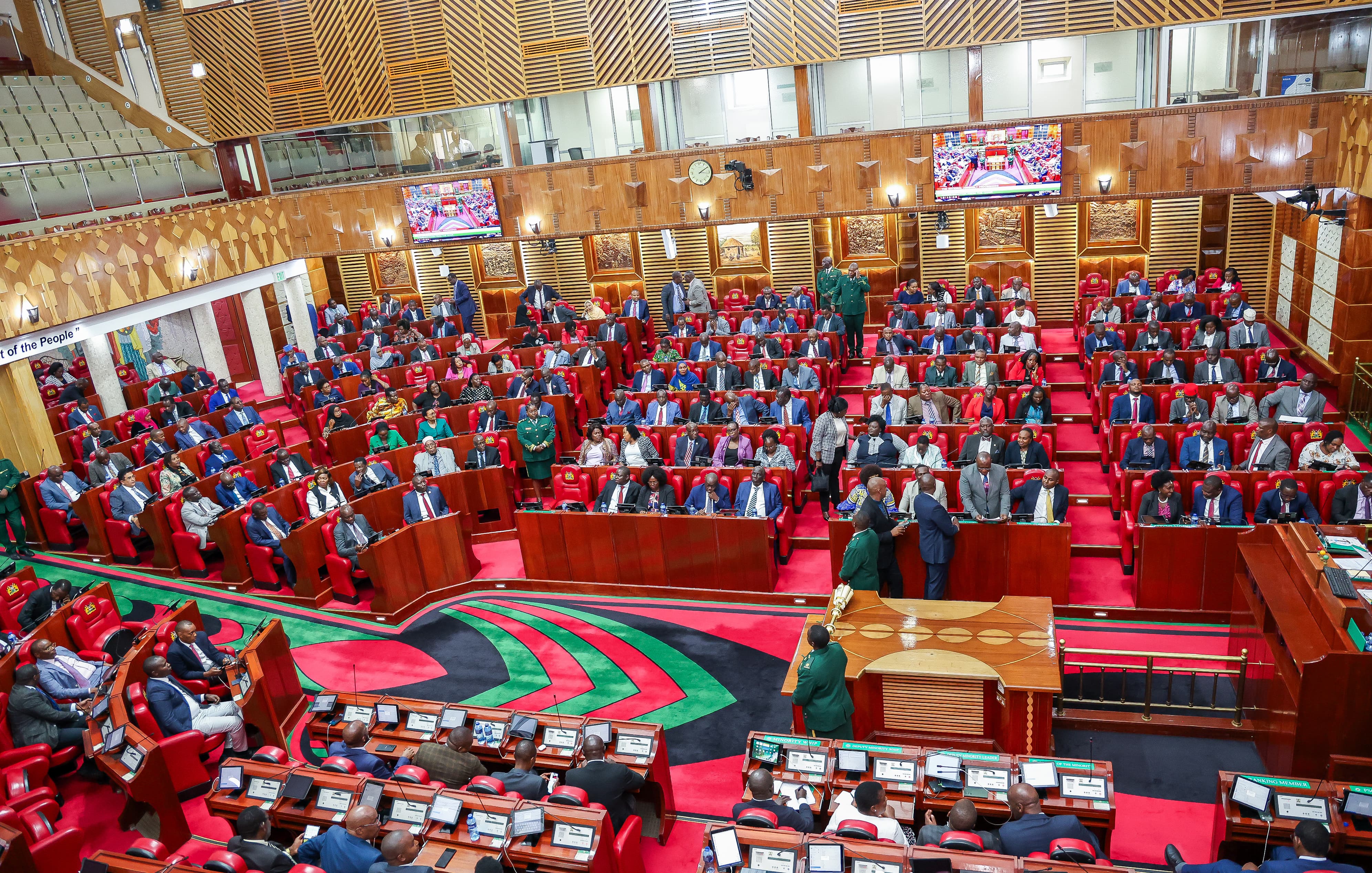
𝐌𝐏𝐒 𝐁𝐀𝐂𝐊 𝐒𝐀𝐍𝐈𝐓𝐀𝐓𝐈𝐎𝐍 𝐑𝐄𝐅𝐎𝐑𝐌𝐒 𝐀𝐒 𝐇𝐎𝐔𝐒𝐄 𝐀𝐏𝐏𝐑𝐎𝐕𝐄𝐒 𝐓𝐇𝐄 𝐍𝐀𝐓𝐈𝐎𝐍𝐀𝐋 𝐒𝐀𝐍𝐈𝐓𝐀𝐓𝐈𝐎𝐍 𝐌𝐀𝐍𝐀𝐆𝐄𝐌𝐄𝐍𝐓 𝐏𝐎𝐋𝐈𝐂𝐘








The National Assembly has approved Sessional Paper No. 7 of 2024 on the National Sanitation Management Policy.
In a motion, moved by Chairperson, Committee Blue Economy, Water and Irrigation, Hon. Kangogo Bowen, underscored the urgency of streamlining sanitation management in the country, noting that despite constitutional provisions guaranteeing the right to reasonable sanitation, the sector remains largely neglected.
“This policy was developed by the Ministry of Health in collaboration with the African Population and Health Research Center (APHRC), and its aim is to expand access to safe sanitation, improve public health outcomes, and reduce environmental pollution,” said Hon. Bowen. “It also addresses critical gaps in governance, financing, and infrastructure development related to sanitation.”
Citing Article 43(1)(b) of the Constitution, which guarantees the right to accessible and adequate housing and sanitation, Hon. Bowen emphasised that counties have a constitutional mandate to provide sanitation services under the devolved system, as outlined in Part II of the Fourth Schedule.
However, Hon. Bowen expressed concern over the current legal framework, terming it fragmented and outdated. “Sanitation-related provisions are scattered across multiple laws, many of which treat the issue only as a peripheral concern,” he observed.
The Committee in it's Report proposed the enactment of an Environmental Health and Sanitation Bill to consolidate and address these issues. It also recommended amending the Water Act (Cap 372) to reflect the interdependence of water and sanitation infrastructure.
“The policy must align with recent legislative changes and address waste management comprehensively, including consistent definitions and clarity on the roles of national and county governments,” Hon. Bowen added.
Hon. Dorothy Ikiara seconded the motion, reiterated the need for cooperation between both levels of government to ensure the policy’s success.
“For decades, we have prioritised water connectivity without addressing sewer connectivity,” said Hon. Ikiara. “This policy should ensure that every household not only receives clean water but also has access to proper sewer systems.”
Legislators echoed the need for the policy to be more detailed and action-oriented. “This is not a document to be rushed. What we have now is a skeleton,” said Hon. Adan Haji. “We must have a clear implementation roadmap—from village level to cities—to avoid constant amendments.”
Hon. Rindikiri Mugambi called the policy “a very small part of what we need,” insisting on a bottom-up approach that starts with the smallest market centres.
Hon. Julius Sunkuli highlighted the ongoing problem of open defecation, particularly in rural and peri-urban areas. “Many still relieve themselves in bushes near water sources, which ends up contaminating the very water we drink,” he lamented.
Hon. Sunkuli urged that county governments be compelled to construct public toilets in all market areas and towns, saying this should be a core requirement of the policy.