
 What's on
 Things to Do
 Plan your Visit
 Media Rules and Filming
SENATE ASSESSES INSTITUTIONAL READINESS FOR PEACEFUL, SECURE AND INCLUSIVE 2027 GENERAL ELECTION


The Senate Standing Committee on National Cohesion, Equal Opportunity and Regional Integration has raised concerns over the growing risks posed by hate speech, political incitement, misinformation, organised criminal gangs and cyber threats ahead of the 2027 General Election.
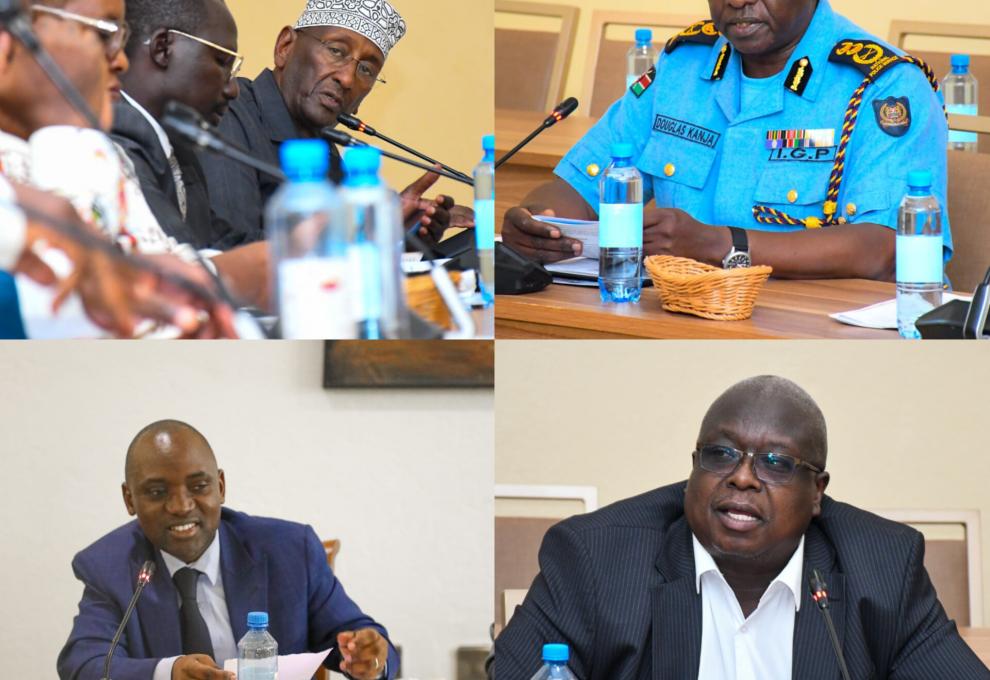
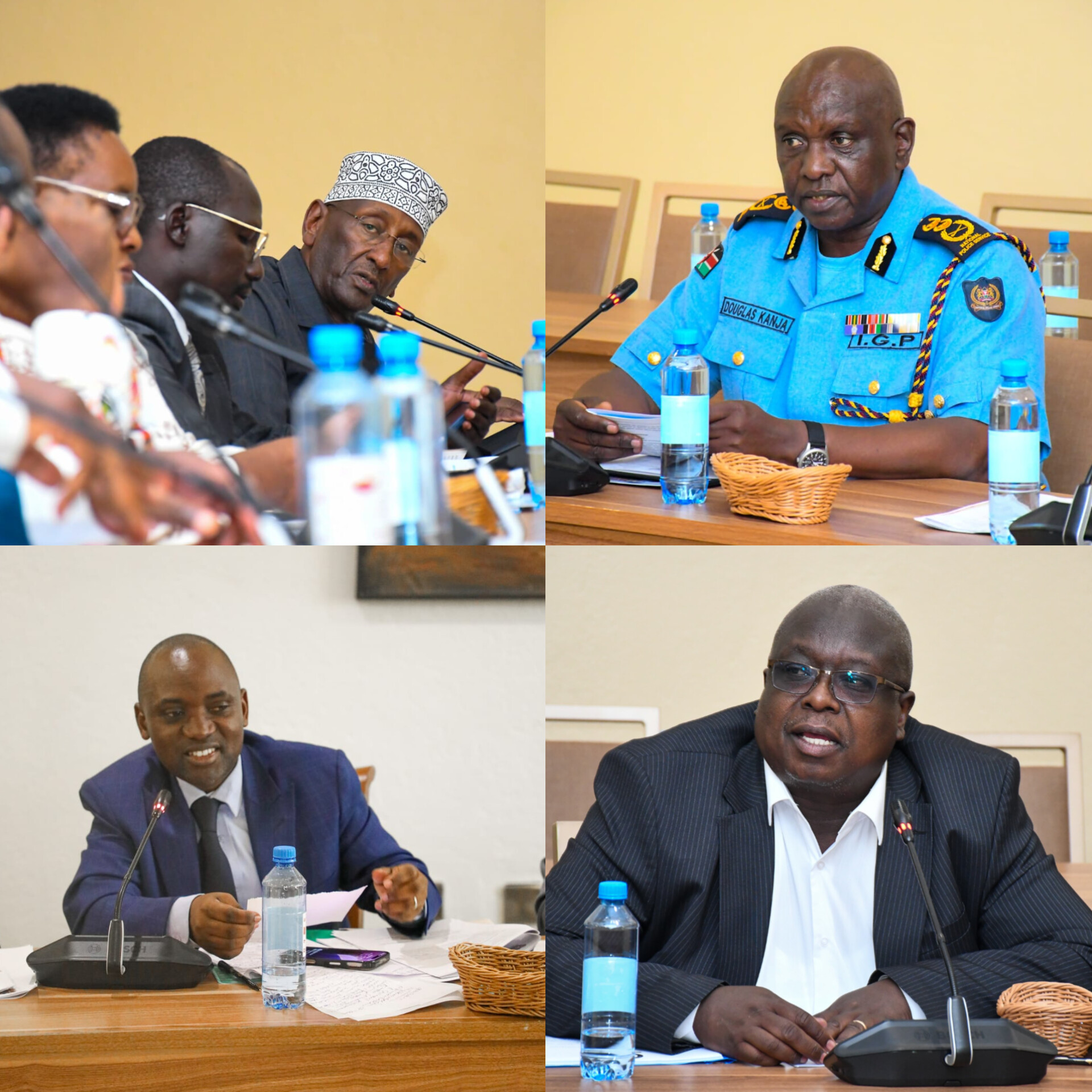
The concerns emerged during a meeting with key State agencies in Naivasha, Nakuru County, where the Committee led by Marsabit Senator Mohamed Chute, assessed their preparedness to ensure a peaceful, secure elections.
The Committee sought to understand measures undertaken to address hate speech, misinformation, electoral violence, cybersecurity threats and public confidence in the electoral process.
The Committee met with the National Police Service (NPS), led by Inspector General of Police Douglas Kanja; the National Cohesion and Integration Commission (NCIC), led by its Chief Executive Officer, Dr. Daniel Mutegi Giti; the Communications Authority of Kenya (CA); and the Media Council of Kenya (MCK), represented by its Chairman, Maina Muiruri and Independent Policing Oversight Authority (IPOA.
The National Police Service presented a 16-month election security roadmap covering September 2026 to December 2027, aligned with the Independent Electoral and Boundaries Commission’s Election Operations Plan 2025–2027.
Inspector General Douglas Kanja informed the Committee that the roadmap comprises 28 activities implemented in six phases, aimed at ensuring security before, during and after the elections. The phases include stakeholder engagement, preparatory work, operational planning, training and readiness, election operations and post-election review.
The Service identified organised criminal gangs, inflammatory political rhetoric, online incitement, misinformation and communal tensions among the potential threats to electoral security. The presentation also highlighted an increase in arrests of suspected gang members from 602 between September 2024 and August 2025 to 1,316 between September 2025 and August 2026.
To address these threats, the NPS plans to strengthen intelligence-led and preventive policing, map security hotspots, enhance community engagement and deepen multi-agency coordination. The Service also committed to maintaining political neutrality, professionalism, respect for human rights and equal protection of all citizens.
The security arrangements will include protection of election materials, polling stations, tallying centres and IEBC personnel, alongside measures to maintain public order and address election-related offences.
The National Cohesion and Integration Commission highlighted the importance of national cohesion and peaceful coexistence, warning against ethnic mobilisation, hate speech and inflammatory political rhetoric that could undermine the electoral process.
Chief Executive Officer Dr. Daniel Mutegi Giti outlined the Commission’s efforts to promote inclusive political participation and counter divisive messages, particularly on digital platforms. The Commission also highlighted its Uchaguzi Bila Noma – Second Edition initiative as part of efforts to promote peaceful elections and strengthen coexistence among communities.
The Commission raised concerns over funding constraints, indicating that its proposed programme required more than KSh1.5 billion against an allocation of approximately KSh689 million. The funding gap, it noted, could affect the scale and implementation of planned interventions ahead of the elections.
The Communications Authority Deputy Director Paul Kiage outlined its role in safeguarding the country’s communications infrastructure and supporting a secure information environment ahead of the elections.
The Authority informed the Committee that it had established a fully equipped broadcast monitoring room with nine workstations, supported by broadcast logging systems currently capturing content from 261 radio stations and 99 television channels. The facility will also serve as a situation room during the election period, with monitoring staff trained to identify hate speech, incitement and misinformation.
The Authority is also working with mobile network operators to improve network coverage and reliability, particularly in areas where polling stations may lack adequate connectivity. Its cybersecurity unit will maintain round-the-clock monitoring to detect and respond to threats targeting election-related systems and critical information infrastructure.
Media Council of Kenya Chairman Maina Muiruri emphasised the responsibility of media organisations and journalists to uphold professional standards throughout the election period.
He underscored the importance of balanced and impartial reporting, verification of information, fact-checking and adherence to the Code of Conduct for Media Practice. He further called for the safety of journalists and cautioned against sensational reporting, intimidation and harassment.
The Council also highlighted the growing challenge of artificial intelligence-generated content, including deepfake videos, images and audio, which could be used to spread false information and manipulate public opinion. It outlined measures to strengthen media monitoring, journalist training and responsible election reporting.
The Committee emphasised the importance of sustained collaboration among institutions, responsible political conduct, accurate public information and strengthened public confidence in electoral institutions as the country prepares for the 2027 General Election.
The meeting followed a statement by Tharaka Nithi Senator Mwenda Gataya seeking to know the measures being put in place to guarantee peaceful, inclusive and secure elections in 2027.
Members