 What's on
 Things to Do
 Plan your Visit
 Media Rules and Filming
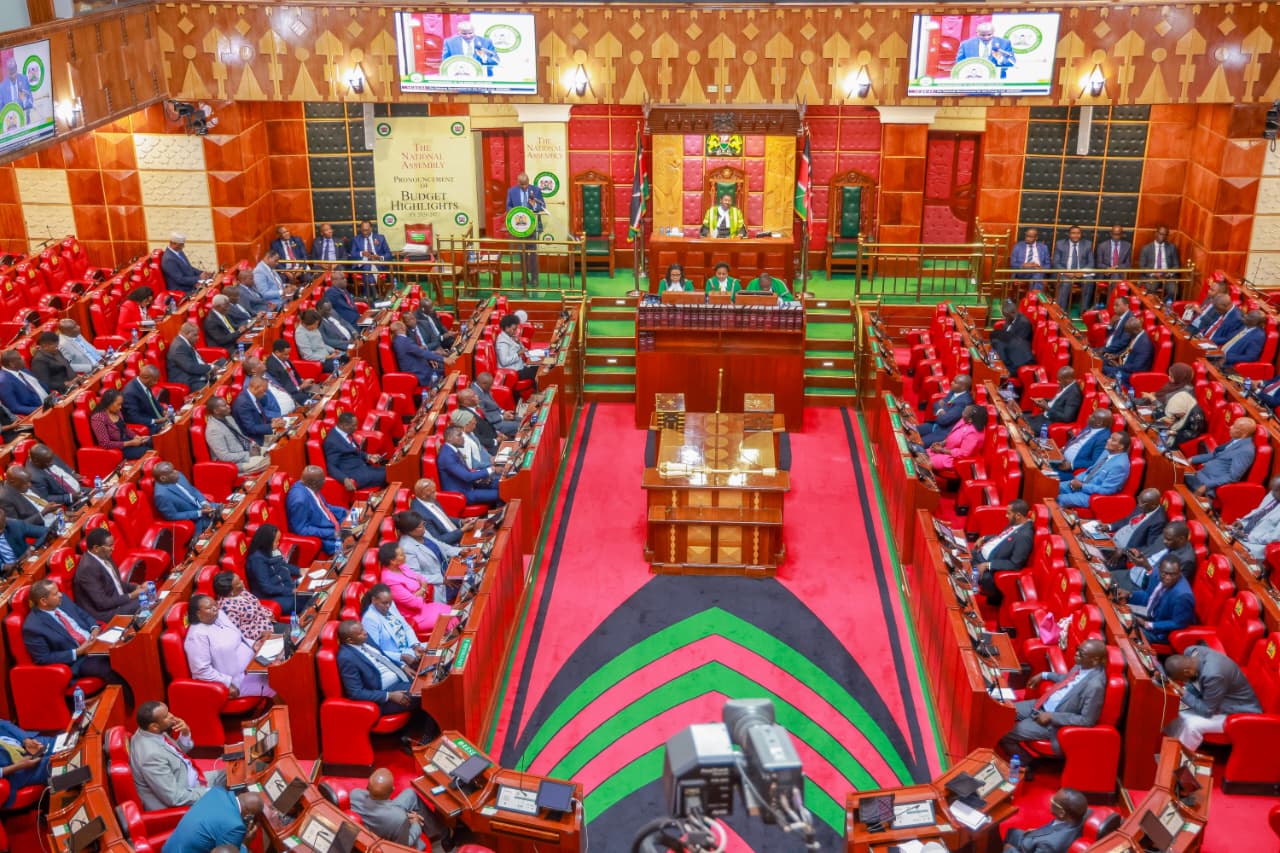
𝐊𝐄𝐍𝐘𝐀𝐍𝐒 𝐒𝐄𝐓 𝐅𝐎𝐑 𝐂𝐎𝐍𝐓𝐈𝐍𝐔𝐄𝐃 𝐑𝐄𝐏𝐑𝐈𝐄𝐕𝐄 𝐀𝐒 𝐍𝐀𝐓𝐈𝐎𝐍𝐀𝐋 𝐀𝐒𝐒𝐄𝐌𝐁𝐋𝐘 𝐄𝐗𝐓𝐄𝐍𝐃𝐒 𝐅𝐔𝐄𝐋 𝐓𝐀𝐗 𝐑𝐄𝐋𝐈𝐄𝐅


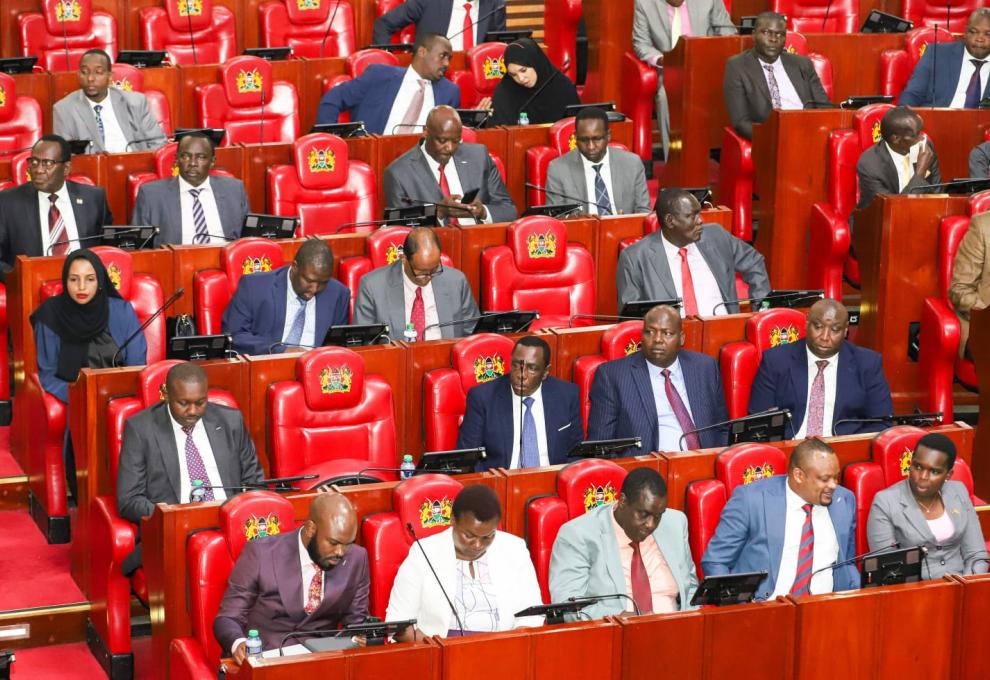
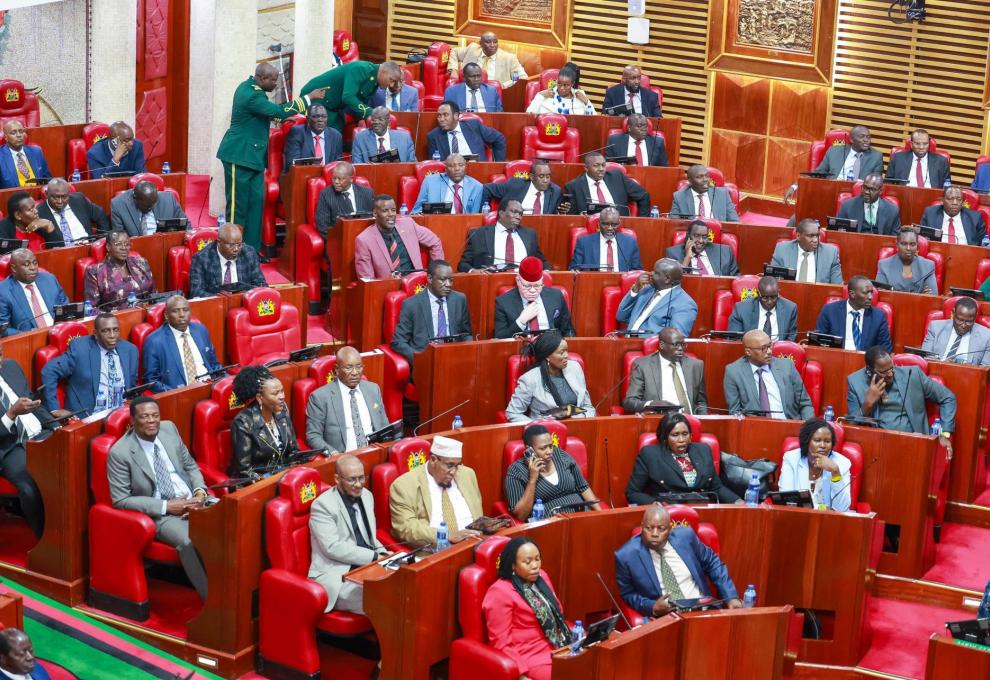
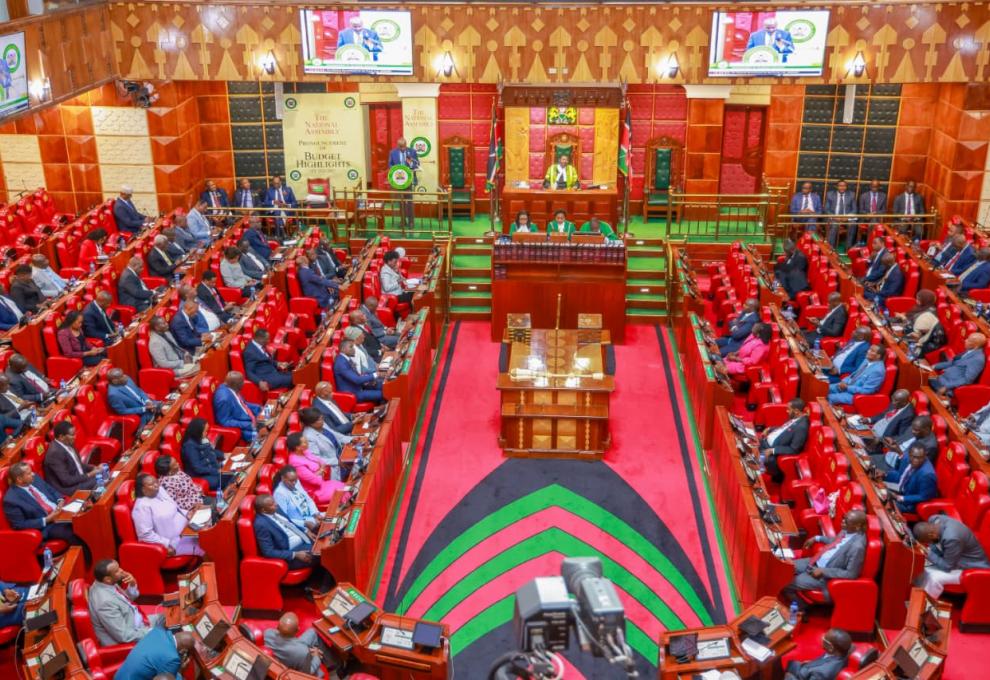
Kenyans will continue benefiting from reduced Value Added Tax (VAT) on petroleum products following the passage of the Tax Laws (Amendment) Bill (National Assembly Bill No. 65 of 2026) by the National Assembly.
The Bill, sponsored by the Leader of the Majority Party, Hon. Kimani Ichung’wah, seeks to amend the Value Added Tax Act to maintain the VAT rate on petroleum products at eight per cent, down from the standard rate of 16 per cent. The measure is intended to cushion consumers against rising global fuel prices amid tensions in the Middle East.
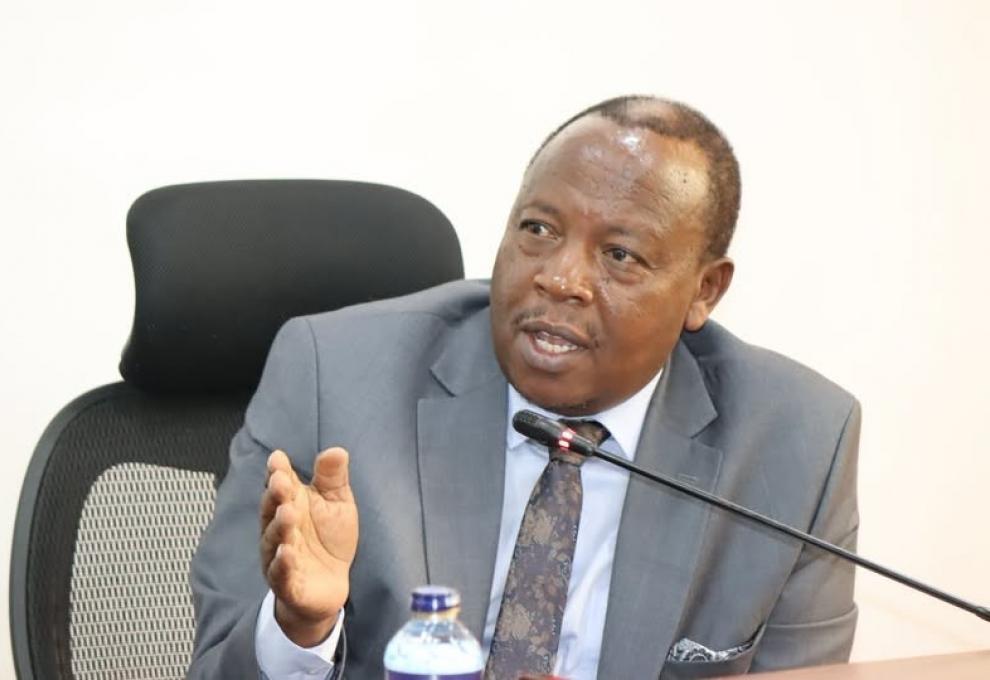
Moving the Bill, Hon. Ichung’wah said the proposed extension would sustain the tax relief for a further three months, with provision for the Cabinet Secretary responsible for the National Treasury to extend it for an additional three months should the conflict persist.
“We need to amend the VAT Act to extend the reduced rate for another 90 days, in the hope that the war in the Middle East will come to an end. If it does not, we are also allowing the Cabinet Secretary the latitude to extend the period for a further three months. This guarantees Kenyans continued access to the lower VAT rate of eight per cent on fuel for up to six months,” he said.
Hon. Ichung’wah expressed hope that Kenya would eventually become less vulnerable to global oil price shocks through exploration of oil in Lokichar, Turkana County, and the establishment of the proposed Dangote oil refinery in Lamu County.
The Bill also seeks to amend the Excise Duty Act to change the basis for calculating excise duty on ceramic tiles from weight to surface area, a move intended to lower construction costs and support the affordable housing agenda.
Hon. Ichung’wah explained that the existing framework, which imposes excise duty of either five per cent of the excisable value or Kshs. 50 per kilogramme, places a disproportionate burden on importers because of the weight of ceramic tiles.
He noted that a container carrying approximately 25,000 kilogrammes of tiles could attract excise duty of about Kshs. 1.25 million, potentially exceeding the value of the consignment.
Under the proposed amendment, taxation would be based on the measurable surface area of tiles in square metres rather than their weight.
Hon. Ichung’wah said the change could reduce the tax burden on a typical consignment between Kshs. 1.2 million and Kshs. 1.5 million to approximately Kshs. 420,000 to Kshs. 600,000. The amendment also covers other ceramic products and bathroom ware.
Seconding the Bill, the Chairperson of the Finance and National Planning Committee, Hon. Kimani Kuria, said maintaining the reduced VAT rate on petrol, diesel and kerosene was critical to protecting households and businesses from the ripple effects of rising fuel prices.
“Geopolitical tensions in the Middle East, which continue to exert pressure on global oil prices, led the Committee to deem it necessary to cushion Kenyans against rising fuel costs and their cascading effects on transportation, production costs and the general cost of living,” said Hon. Kuria.
He noted that the tax relief measures had resulted in the Government foregoing approximately Kshs. 54 billion in revenue over the preceding six-month period, underscoring the financial commitment involved in shielding consumers from high fuel prices.
Members who supported the Bill observed that fuel prices directly influence the cost of living, affecting transport fares, food prices and the cost of doing business.
Mwea MP, Hon. Mary Maingi, said the proposed extension would help protect household budgets from the cascading effects of rising fuel prices.
“I support this tax amendment because it touches on the kitchen table of every household. When fuel goes up, matatu fares go up, the price of food goes up, everything goes up,” she said.
While supporting the Bill, Suba South MP, Hon. Caroli Omondi, called on the Government to establish a government-to-government (G-to-G) framework that would further reduce fuel importation costs. He argued that eliminating unnecessary intermediaries could help lower the price of imported petroleum products.
On the proposed changes to excise duty on ceramic tiles, Hon. Kwenya Thuku welcomed the amendment, noting that it was not intended to disadvantage local manufacturers but to protect consumers from excessive taxation and the resulting increase in construction costs.