 What's on
 Things to Do
 Plan your Visit
 Media Rules and Filming
𝐌𝐏𝐒 𝐂𝐀𝐋𝐋 𝐅𝐎𝐑 𝐀𝐃𝐄𝐐𝐔𝐀𝐓𝐄 𝐅𝐔𝐍𝐃𝐈𝐍𝐆 𝐓𝐎 𝐈𝐌𝐏𝐋𝐄𝐌𝐄𝐍𝐓 𝐖𝐎𝐌𝐄𝐍’𝐒 𝐄𝐂𝐎𝐍𝐎𝐌𝐈𝐂 𝐄𝐌𝐏𝐎𝐖𝐄𝐑𝐌𝐄𝐍𝐓 𝐏𝐎𝐋𝐈𝐂𝐘


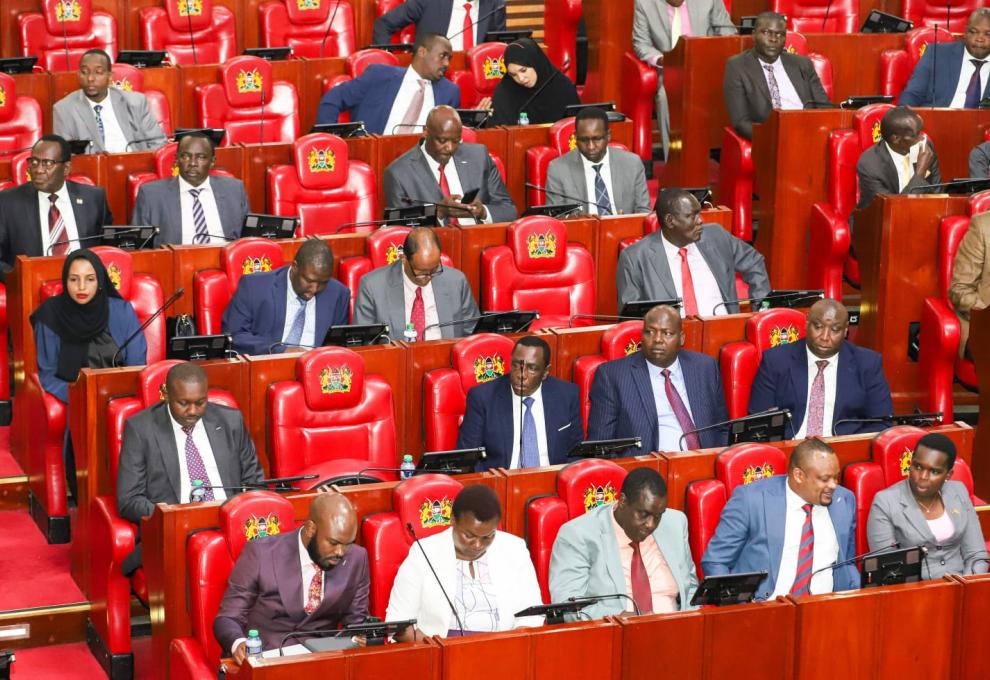
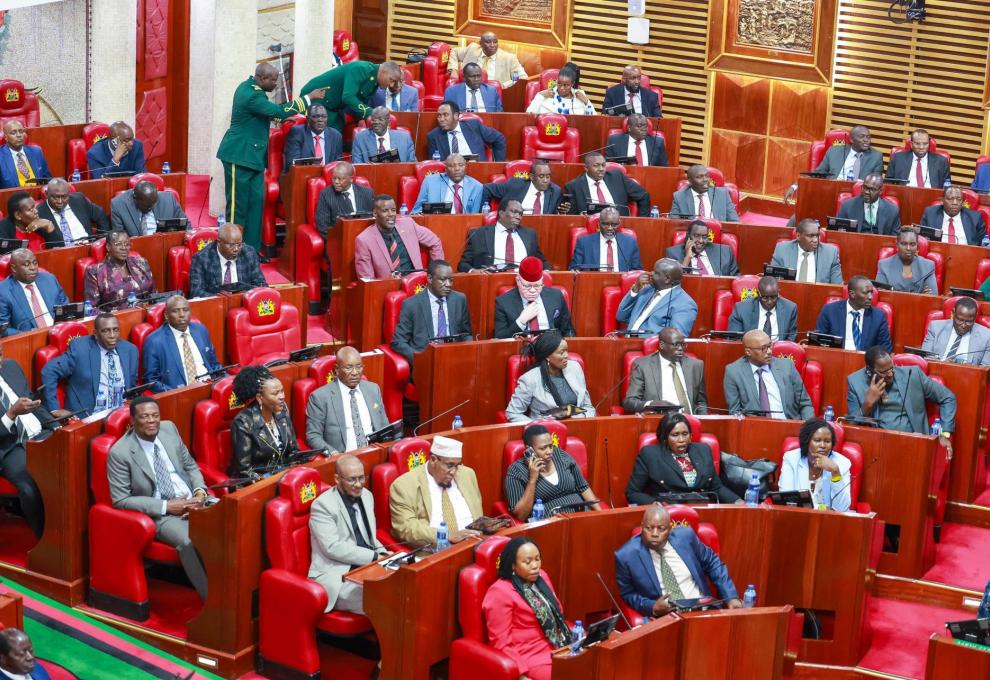
Members of Parliament have called for adequate financing, stronger coordination and effective oversight to ensure the National Policy on Women’s Economic Empowerment (NPWEE) translates into tangible improvements in the lives of Kenyan women.
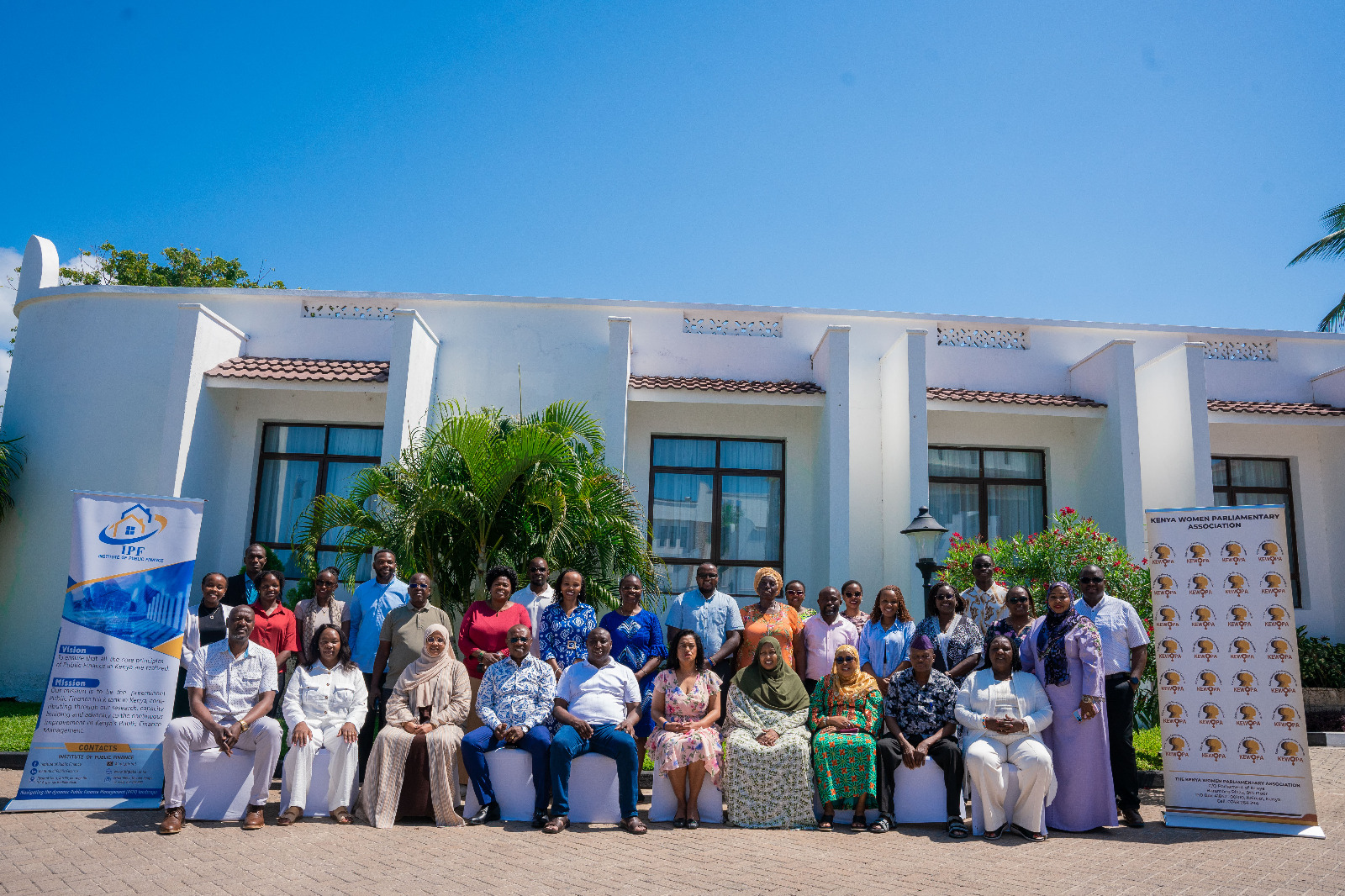
The legislators raised the concerns during a sensitization workshop convened by the Kenya Women Parliamentary Association (KEWOPA) and the Institute for Public Finance (IPF) on the NPWEE and Sessional Paper No. 6 of 2026.
They underscored the need to move beyond policy formulation and focus on practical implementation.
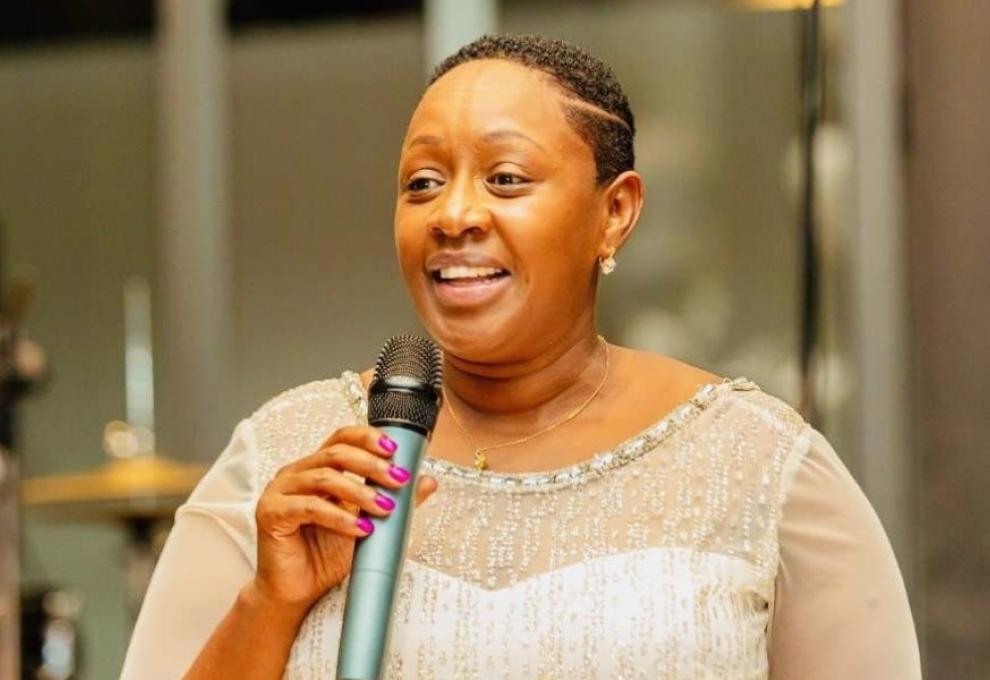
Speaking during the meeting on behalf of KEWOPA's Chairperson, Hon. Esther Passaris said the forum provided a platform for Members to interrogate what would be required to transform the policy from a framework into meaningful outcomes for women across the country.
She challenged stakeholders to consider how the policy would be financed and coordinated between the national and county governments, monitored and evaluated noting that these questions would ultimately determine whether the policy achieves its intended objectives.
“Most importantly, let us ensure that the National Policy on Women’s Economic Empowerment does not remain only a framework on paper, but becomes a basis for coordinated action that expands women’s economic opportunities,” Hon. Passaris said.
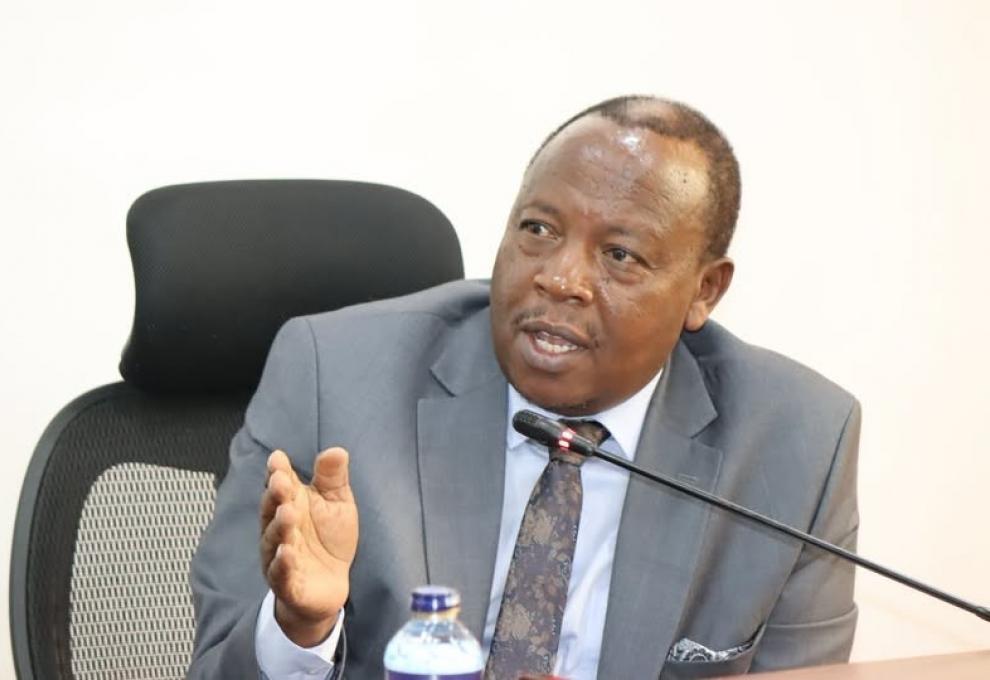
The Vice Chairperson of the Departmental Committee on Social Protection, Hon. Hillary Kosgei, warned that inadequate financing could undermine the implementation of the policy, drawing lessons from Sessional Paper No. 2 of 2019 on the National Policy on Gender and Development.
He noted that the previous policy had received Parliamentary approval but failed to achieve its intended impact after only Kshs. 15 million was allocated against a requirement of Kshs. 500 million.
Hon. Kosgei said Sessional Paper No. 6 of 2026 seeks to address systemic barriers to women’s economic empowerment by providing a comprehensive framework covering State and non-State actors as well as the national and county governments.
He argued that the policy prioritises areas including labour and employment, agricultural value chains and food security, governance and decision-making and humanitarian response.
Also attending the workshop, the Deputy Majority Leader and Kilifi North MP. Hon. Owen Baya called for women's empowerment to be approached as a community agenda rather than a standalone project, noting that empowering women has a direct impact on the wellbeing and prosperity of their families.
Highlighting the significance of the Workshop, the Chief Executive Officer of the Institute of Public Finance (IPF), Mr. Dan Ndirangu, observed that the workshop was intended to provide Members of Parliament with credible information and analysis to enable them to independently interrogate the Sessional Paper.
He noted that the country’s prevailing fiscal pressures are affecting social sectors, including social protection, health and education, and urged Parliament to safeguard gains made in supporting vulnerable populations.
Mr. Ndirangu emphasised that Parliament has a critical role in shaping policy and legislation, allocating public resources and holding on the Government accountable.
During the discussions, MPs raised concerns over the inadequacy of resources allocated to women’s economic empowerment programmes, with some calling for increased funding for sustainable enterprises, financial literacy, education, seed capital and second chance opportunities for girls.