 What's on
 Things to Do
 Plan your Visit
 Media Rules and Filming
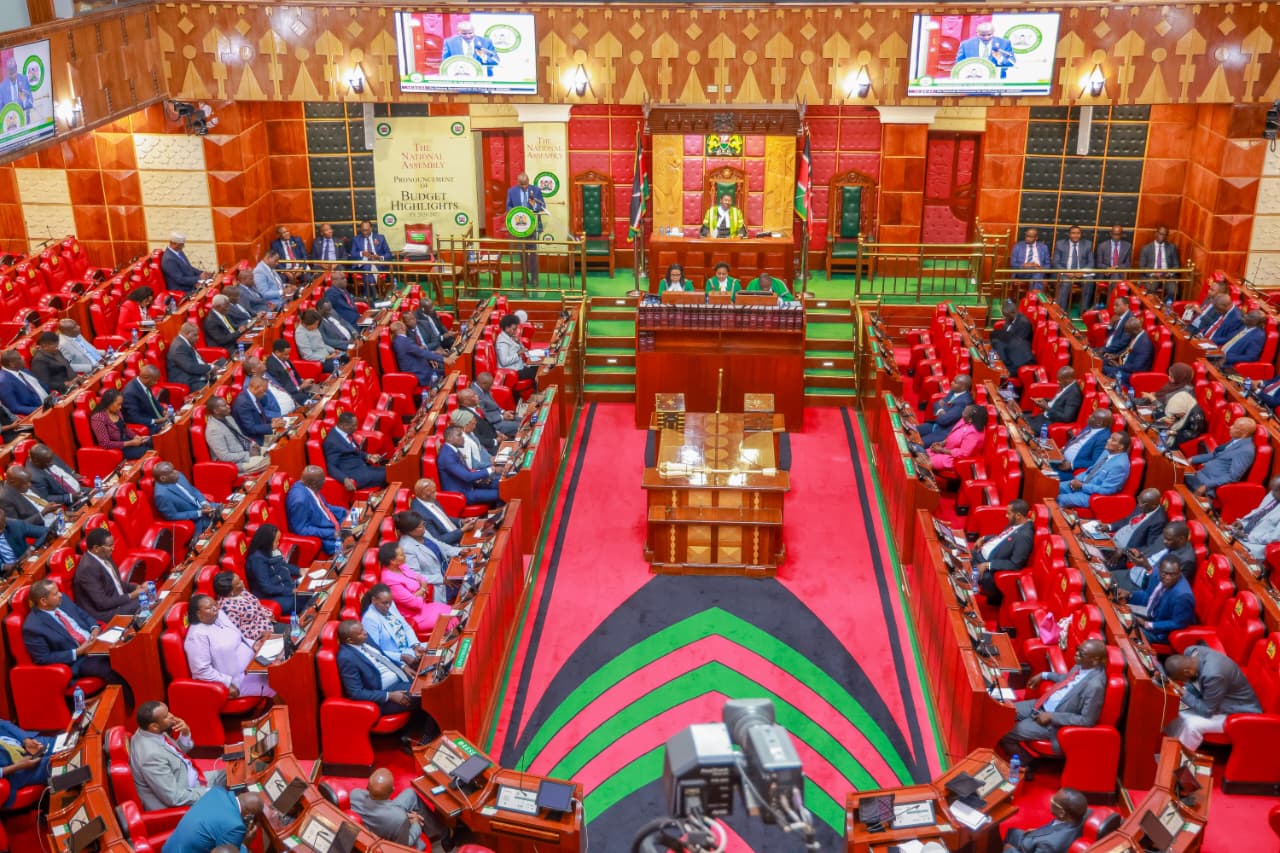

𝐍𝐀𝐓𝐈𝐎𝐍𝐀𝐋 𝐀𝐒𝐒𝐄𝐌𝐁𝐋𝐘 𝐀𝐏𝐏𝐑𝐎𝐕𝐄𝐒 𝐂𝐎𝐔𝐍𝐓𝐘 𝐅𝐔𝐍𝐃𝐈𝐍𝐆 𝐁𝐈𝐋𝐋 𝐓𝐎 𝐒𝐓𝐑𝐄𝐍𝐆𝐓𝐇𝐄𝐍 𝐂𝐎𝐌𝐌𝐔𝐍𝐈𝐓𝐘 𝐇𝐄𝐀𝐋𝐓𝐇𝐂𝐀𝐑𝐄 𝐀𝐍𝐃 𝐃𝐄𝐕𝐎𝐋𝐔𝐓𝐈𝐎𝐍


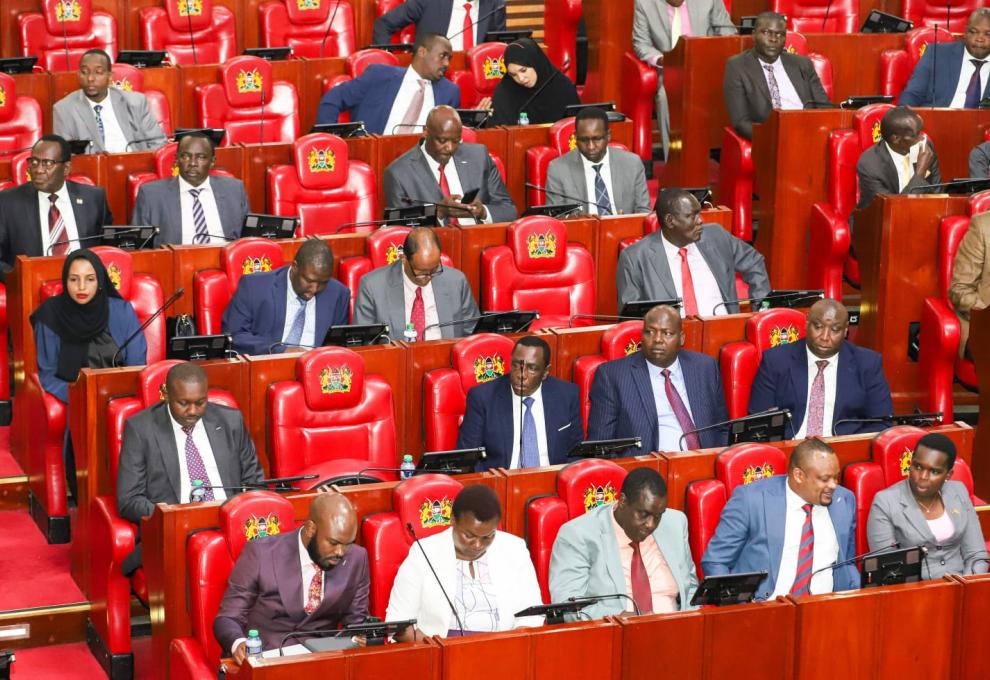
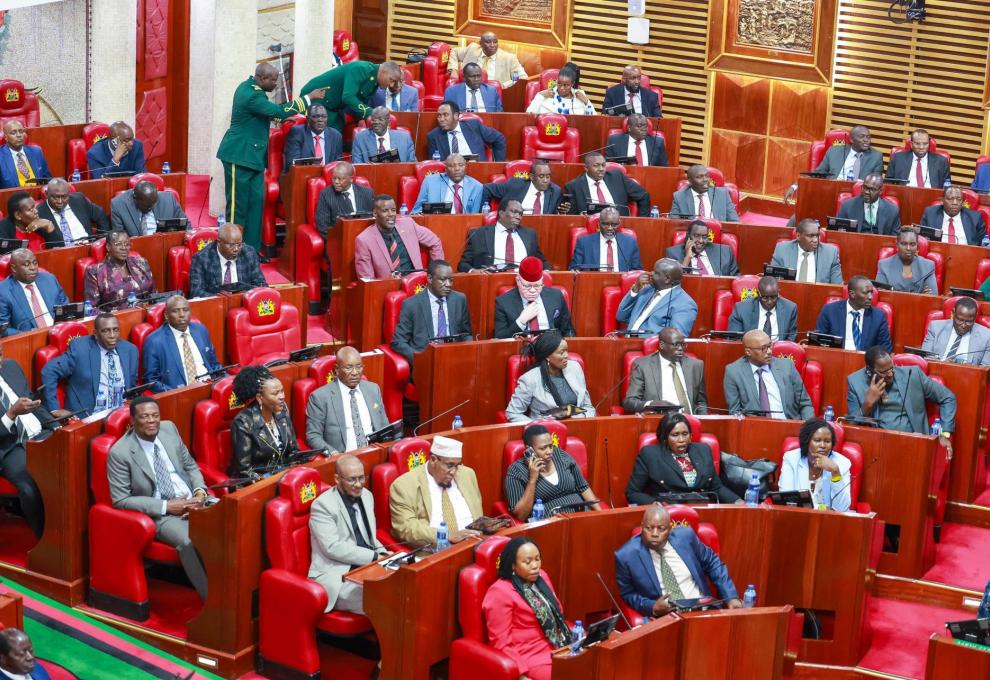
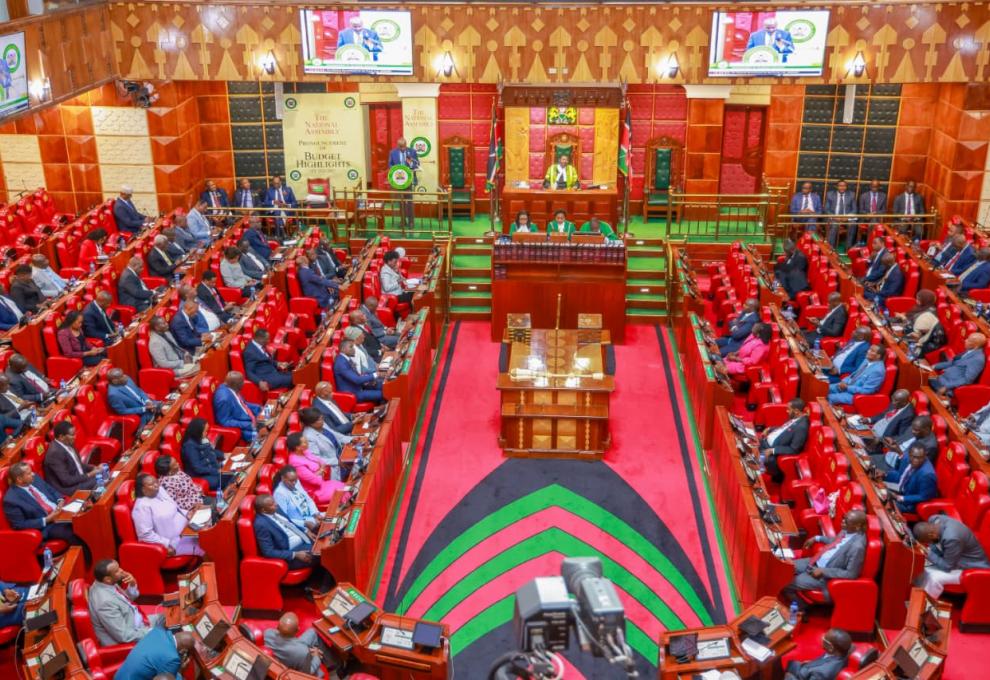
The National Assembly has approved the County Governments Additional Allocations Bill (Senate Bill No. 8 of 2026), paving the way for counties to receive additional funding to strengthen primary healthcare, affordable housing, agriculture, climate resilience, urban development and other devolved programmes during the 2026/27 financial year.
The Bill is a major investment community healthcare, with Ksh 8.61 billion allocated to transition Universal Health Coverage (UHC) workers to permanent and pensionable terms, while Ksh 3.23 billion has been set aside to support Community Health Promoters (CHPs) across the country.
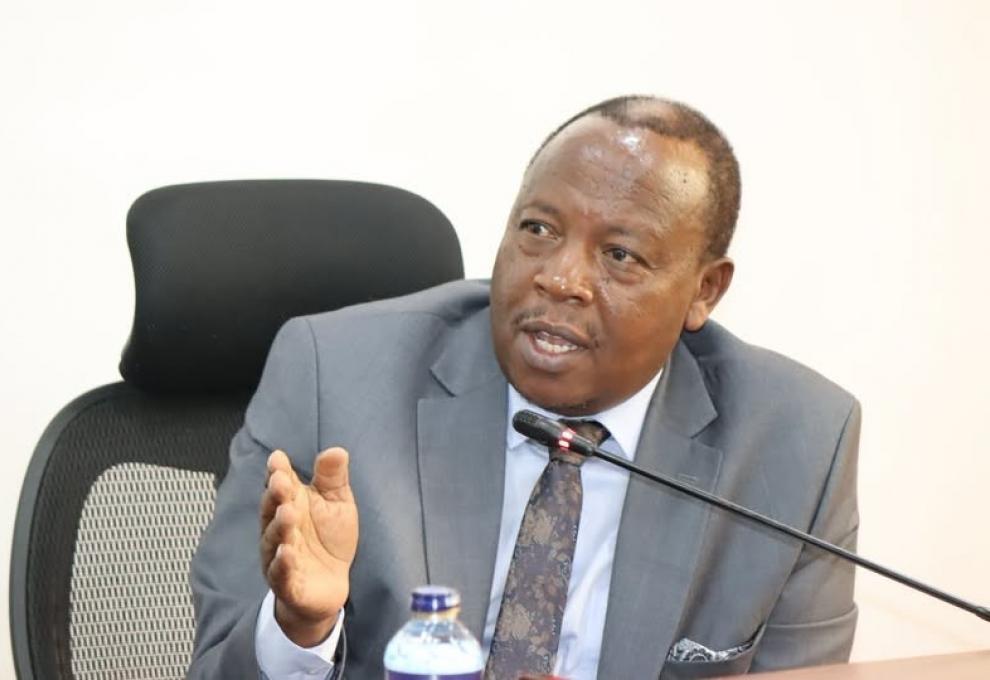
The Bill, which was considered by the House with amendments proposed by the Budget and Appropriations Committee chaired by Hon. Samuel Atandi, seeks to enhance service delivery by providing counties with conditional additional allocations from both the national government and development partners.
The additional resources will also support affordable housing initiatives through County Rural and Urban Affordable Housing Committees, finance the construction of county headquarters in selected counties, and fund programmes aimed at improving climate resilience, agriculture, water services and urban infrastructure.
Lawmakers also approved a series of technical amendments to Clause 5, including the deletion of obsolete provisions, correction of cross-references and revision of column references to correspond with the updated financial schedules.
Parliament further replaced the entire Second Schedule with a revised schedule outlining conditional allocations from the national government's revenue, while the Third Schedule was substituted with an updated framework detailing conditional allocations financed through loans and grants from development partners.
The revised schedules provide a clearer breakdown of county allocations and the programmes they will finance, including health services, affordable housing, climate action, agriculture, urban development and water projects.
Development partner funding under the Bill will support a range of flagship programmes implemented in partnership with institutions such as the World Bank, the French Development Agency (AfD), the International Fund for Agricultural Development (IFAD) and Germany's KfW. The programmes are expected to strengthen county health systems, improve urban infrastructure, enhance food security, expand access to clean water and bolster climate resilience.
Passage of the Bill clears the way for counties to access the additional allocations once the legislation is enacted, enabling them to implement critical development programmes and improve service delivery to wananchi across the country.