 What's on
 Things to Do
 Plan your Visit
 Media Rules and Filming
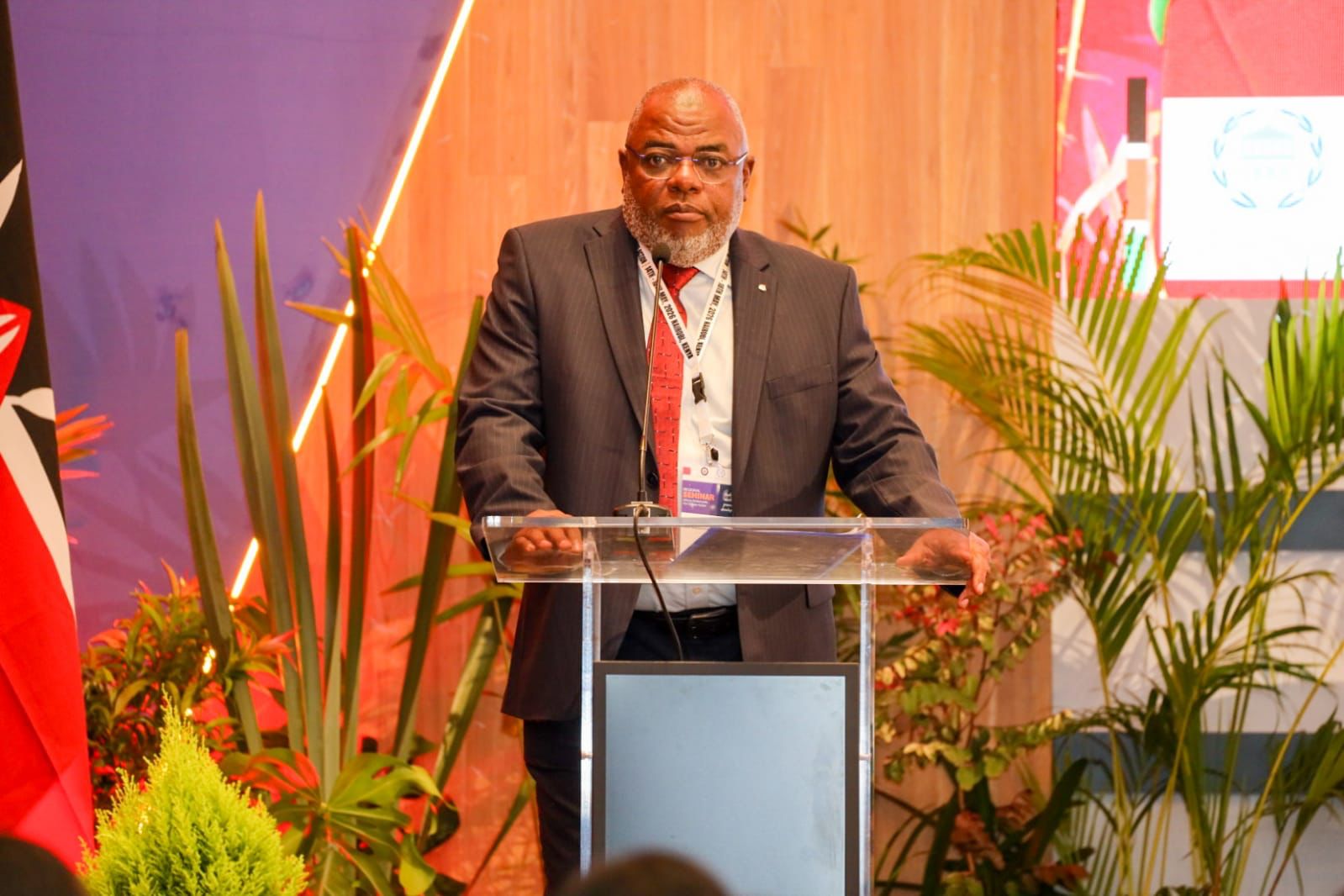
𝐏𝐀𝐑𝐋𝐈𝐀𝐌𝐄𝐍𝐓 𝐔𝐑𝐆𝐄𝐃 𝐓𝐎 𝐋𝐄𝐆𝐈𝐒𝐋𝐀𝐓𝐄 𝐁𝐎𝐋𝐃𝐋𝐘 𝐀𝐒 𝐀𝐅𝐑𝐈𝐂𝐀 𝐒𝐄𝐄𝐊𝐒 𝐌𝐄𝐓𝐇𝐀𝐍𝐄 𝐑𝐄𝐃𝐔𝐂𝐓𝐈𝐎𝐍𝐒


African parliaments must "legislate boldly" and use their oversight powers to confront methane emissions head-on, Speaker of the Senate Hon. Amason Kingi, told legislators on Thursday as Kenya opened a regional seminar on climate action in Nairobi.
The speech was delivered on behalf of Speaker Kingi by Senator Mohamed Faki (Mombasa), who chairs the Senate Committee on Lands, Environment and Natural Resources. Officially opening the seminar themed "African Parliaments for Climate Action: Reducing Methane, Promoting Development," the address framed methane reduction as both an environmental imperative and an economic opportunity for the continent.
Speaker Kingi described methane as a short-lived but potent climate pollutant, citing scientific evidence that it is "over 80 times more potent than carbon dioxide over a 20-year period." Cutting it, he said, is among the fastest ways to slow near-term warming while also tackling ground-level ozone, which harms human health and depresses crop yields.
Citing FAO data, the Speaker noted that roughly 55 to 65 per cent of Kenya's methane emissions originate from livestock, with smaller shares from waste, manure and rice cultivation. He urged investment in improved animal feeds, better breeds, biogas, landfill gas capture and water-saving rice practices, arguing these measures could cut emissions while boosting incomes, energy access and jobs.
He singled out devolution as central to delivery. Counties, he said, must be "adequately informed, supported, financed, and held accountable," given their frontline role in waste management and agriculture.
The Speaker urged lawmakers to align with the Global Methane Pledge, which targets a 30 per cent cut from 2020 levels by 2030, and reminded them that history would judge their response. "Future generations will judge whether leaders acted decisively when warned by science," he said, before declaring the seminar officially open.