
 What's on
 Things to Do
 Plan your Visit
 Media Rules and Filming
𝐒𝐄𝐍𝐀𝐓𝐄 𝐂𝐎𝐌𝐌𝐈𝐓𝐓𝐄𝐄 𝐎𝐍 𝐋𝐀𝐁𝐎𝐔𝐑 𝐇𝐎𝐒𝐓𝐒 𝐂𝐎𝐔𝐍𝐓𝐄𝐑𝐏𝐀𝐑𝐓 𝐅𝐑𝐎𝐌 𝐋𝐈𝐌𝐏𝐎𝐏𝐎 𝐋𝐄𝐆𝐈𝐒𝐋𝐀𝐓𝐔𝐑𝐄 𝐅𝐎𝐑 𝐁𝐄𝐍𝐂𝐇𝐌𝐀𝐑𝐊𝐈𝐍𝐆 𝐓𝐀𝐋𝐊𝐒 𝐎𝐍 𝐆𝐁𝐕 𝐀𝐍𝐃 𝐅𝐄𝐌𝐈𝐂𝐈𝐃𝐄


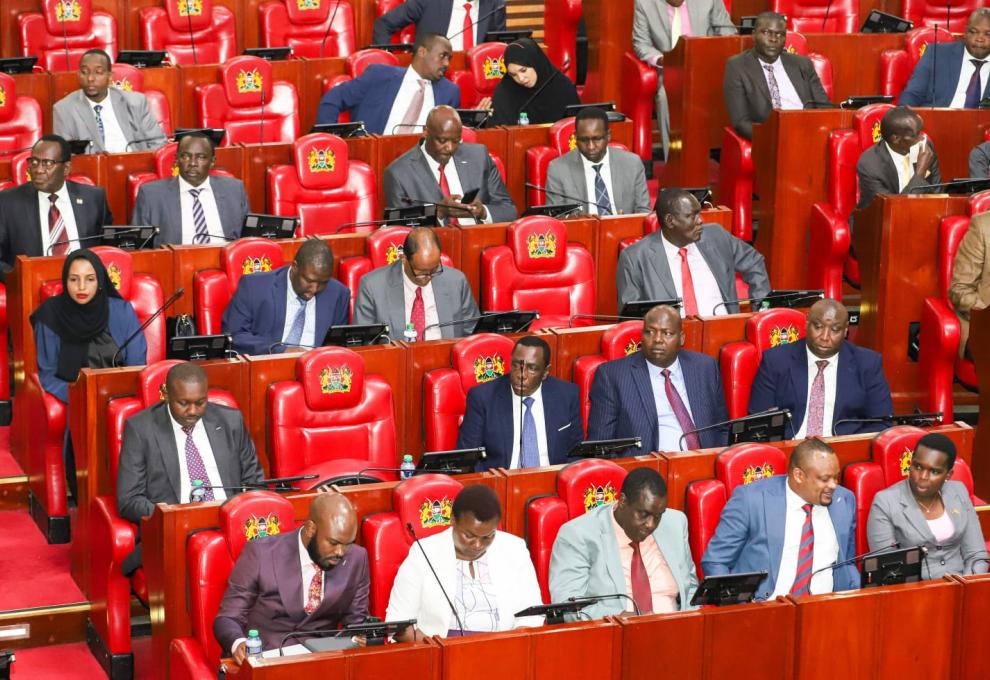
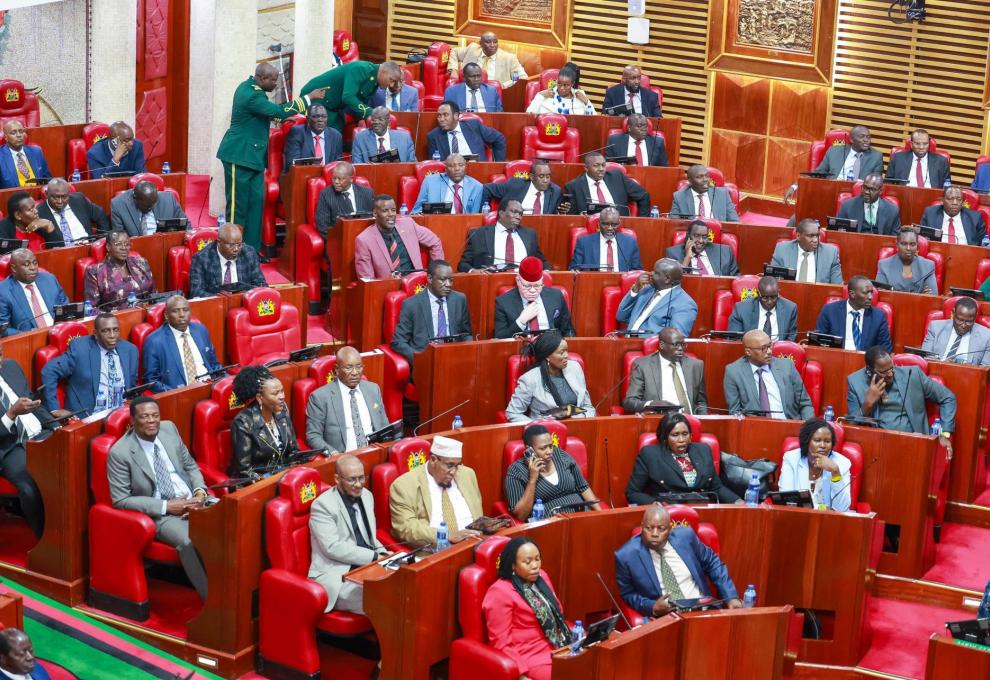
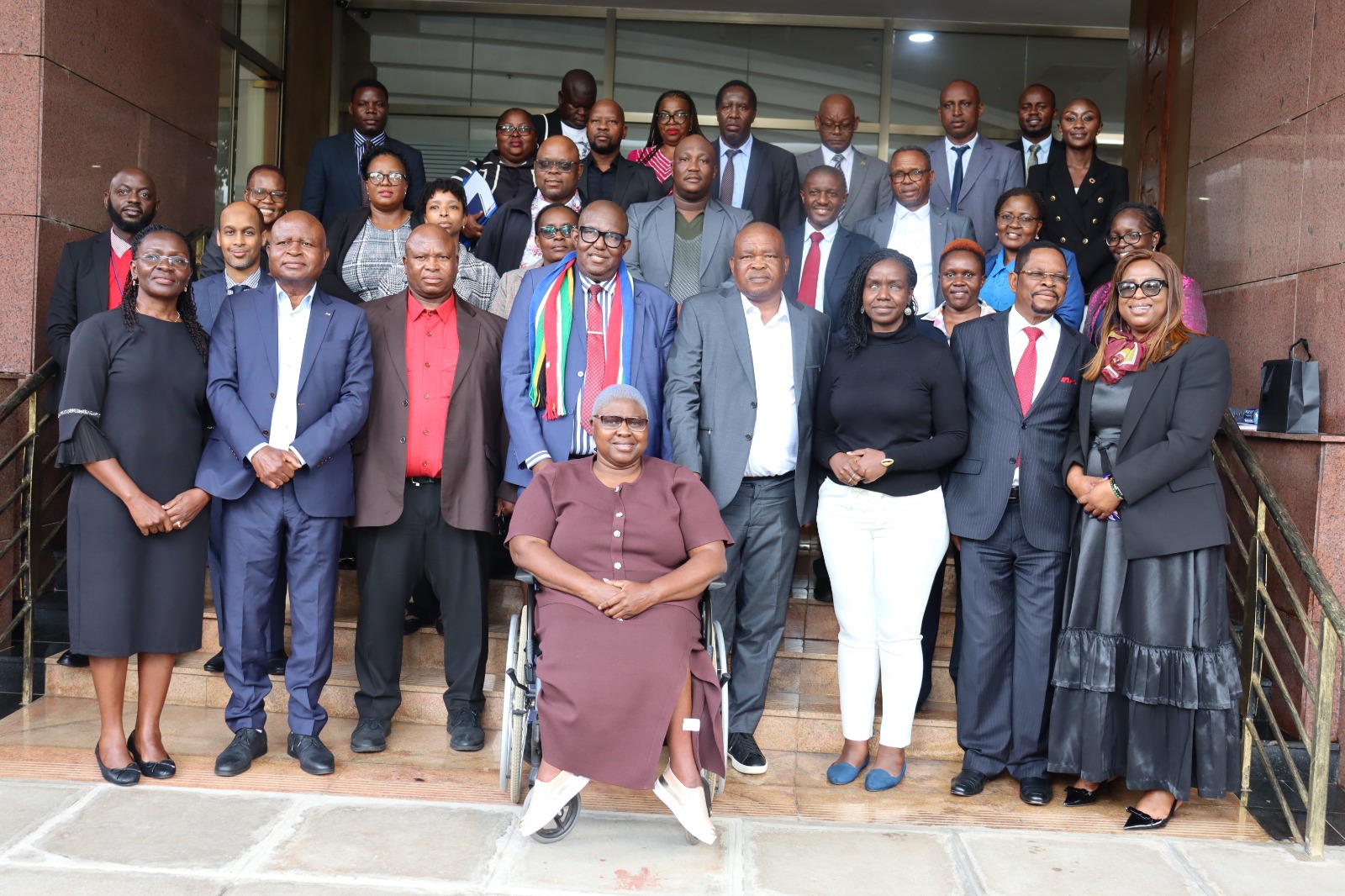
The Senate Committee on Labour and Social Welfare on Tuesday held a high-level engagement with the Portfolio Committee on Social Development of the Limpopo Legislature, South Africa, during a benchmarking visit focused on tackling gender-based violence (GBV), femicide and strengthening social protection systems.
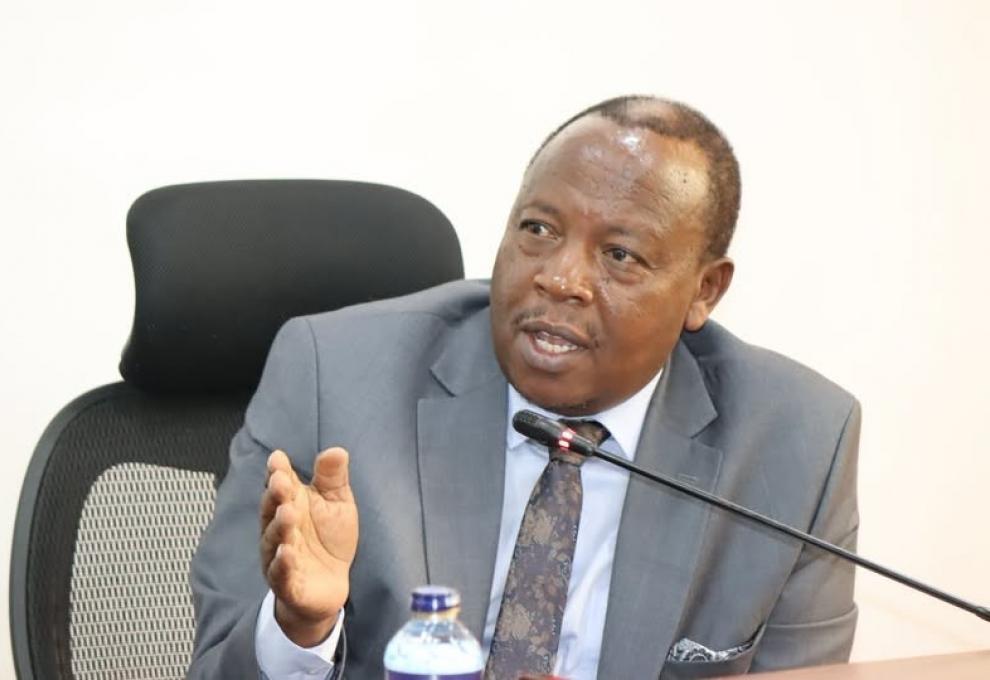
The visiting delegation led by Hon. Simon Mathe, who stated that the team was in Kenya to learn from the country’s policy approaches, institutional frameworks and practical interventions aimed at addressing GBV and related crimes.
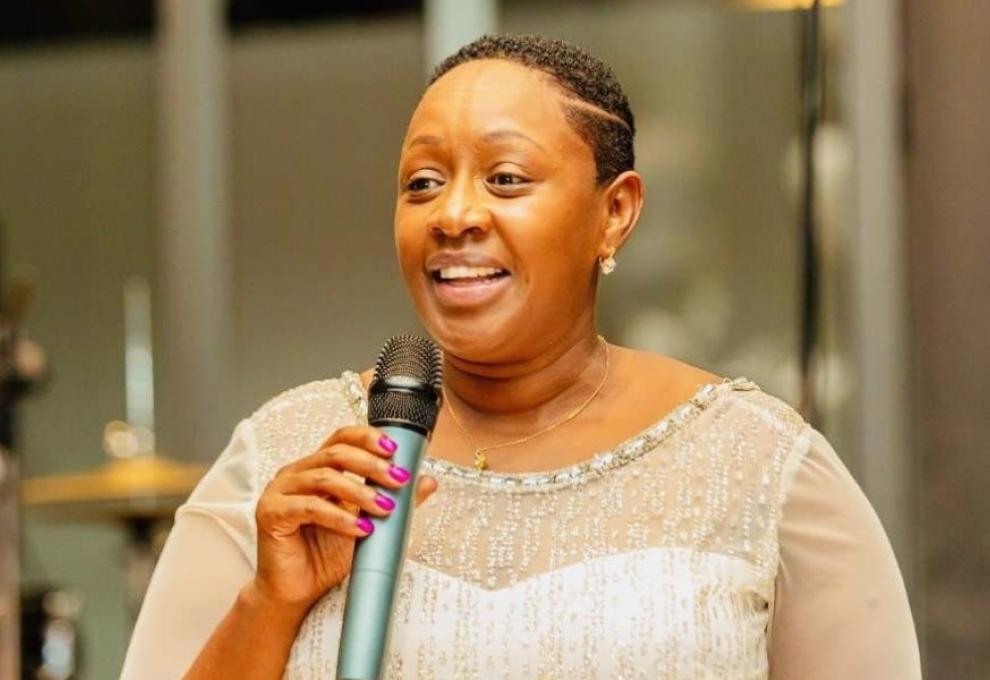
The session was presided over by Ag. Chairperson Sen. Crystal Asige and attended by Principal Secretary for Gender Anne Wang’ombe alongside senior ministry officials. Officials outlined Kenya’s National GBV Policy and the 2023–2027 strategic plan, which shifts focus from isolated interventions to coordinated, survivor-centred and multi-sectoral responses.
They highlighted key service delivery measures already in place, including gender desks at police stations, 12 GBV protection centres, 15 gender violence recovery centres in hospitals, about 91 public and non-state protection centres, 14 specialised GBV courts, a national GBV helpline (1195), standard operating procedures, a digital referral system and a national service provider directory. Ministry officials also noted plans to establish at least one specialised GBV court in every county.
Despite the progress, Senators raised concern over persistent implementation gaps that continue to hinder effective response. These include fragmented inter-agency data systems, weak enforcement of protection orders, inadequate county-level funding, secondary victimisation of survivors, jurisdictional overlaps and widespread under-reporting driven by cultural norms and economic dependency.
The meeting also reviewed a comparative framework between Kenya and South Africa, with participants identifying possible reforms that could be adopted across jurisdictions.
Members of the South African delegation sought further clarification on how GBV cases are classified within criminal justice systems, data collection and monitoring mechanisms, whistleblower protection, survivor reintegration programmes and safeguards for vulnerable groups, including women with disabilities and children.
The engagement reaffirmed the importance of parliamentary diplomacy and technical exchanges in strengthening legislation and policy responses. It also pointed to the shared challenge many countries face in translating legal commitments into effective enforcement, sustainable financing, stronger coordination and measurable reductions in GBV and femicide.