 What's on
 Things to Do
 Plan your Visit
 Media Rules and Filming
𝐒𝐄𝐍𝐀𝐓𝐄 𝐋𝐀𝐁𝐎𝐔𝐑 𝐂𝐎𝐌𝐌𝐈𝐓𝐓𝐄𝐄 𝐏𝐔𝐓𝐒 𝐆𝐎𝐕𝐄𝐑𝐍𝐌𝐄𝐍𝐓 𝐎𝐍 𝐍𝐎𝐓𝐈𝐂𝐄 𝐎𝐕𝐄𝐑 𝐌𝐎𝐌𝐁𝐀𝐒𝐀 𝐀𝐂𝐂𝐄𝐒𝐒𝐈𝐁𝐈𝐋𝐈𝐓𝐘 𝐅𝐀𝐈𝐋𝐔𝐑𝐄𝐒







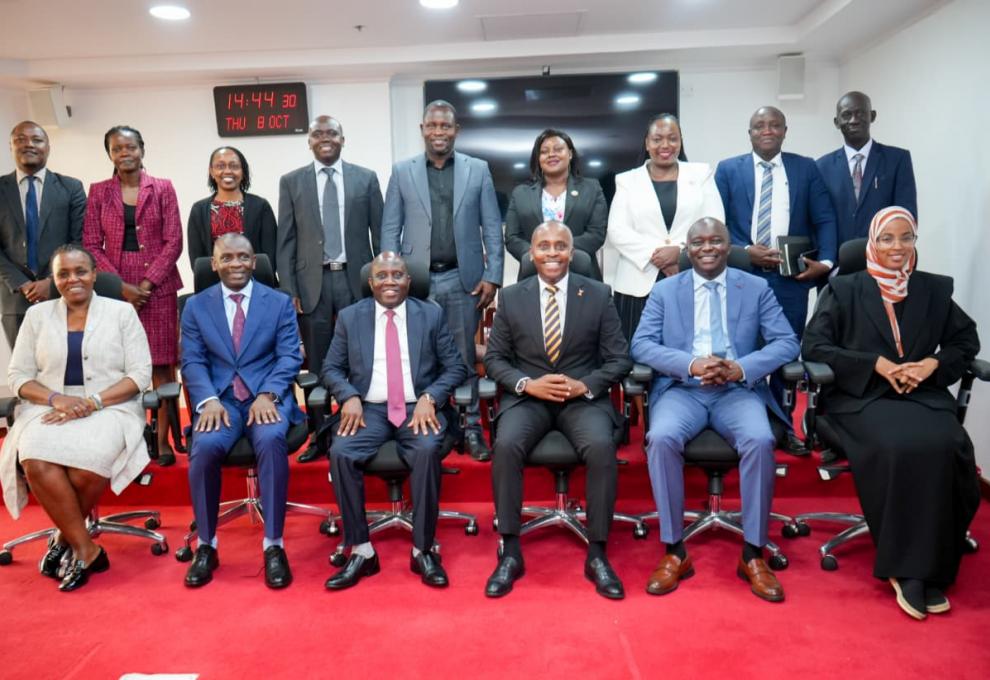
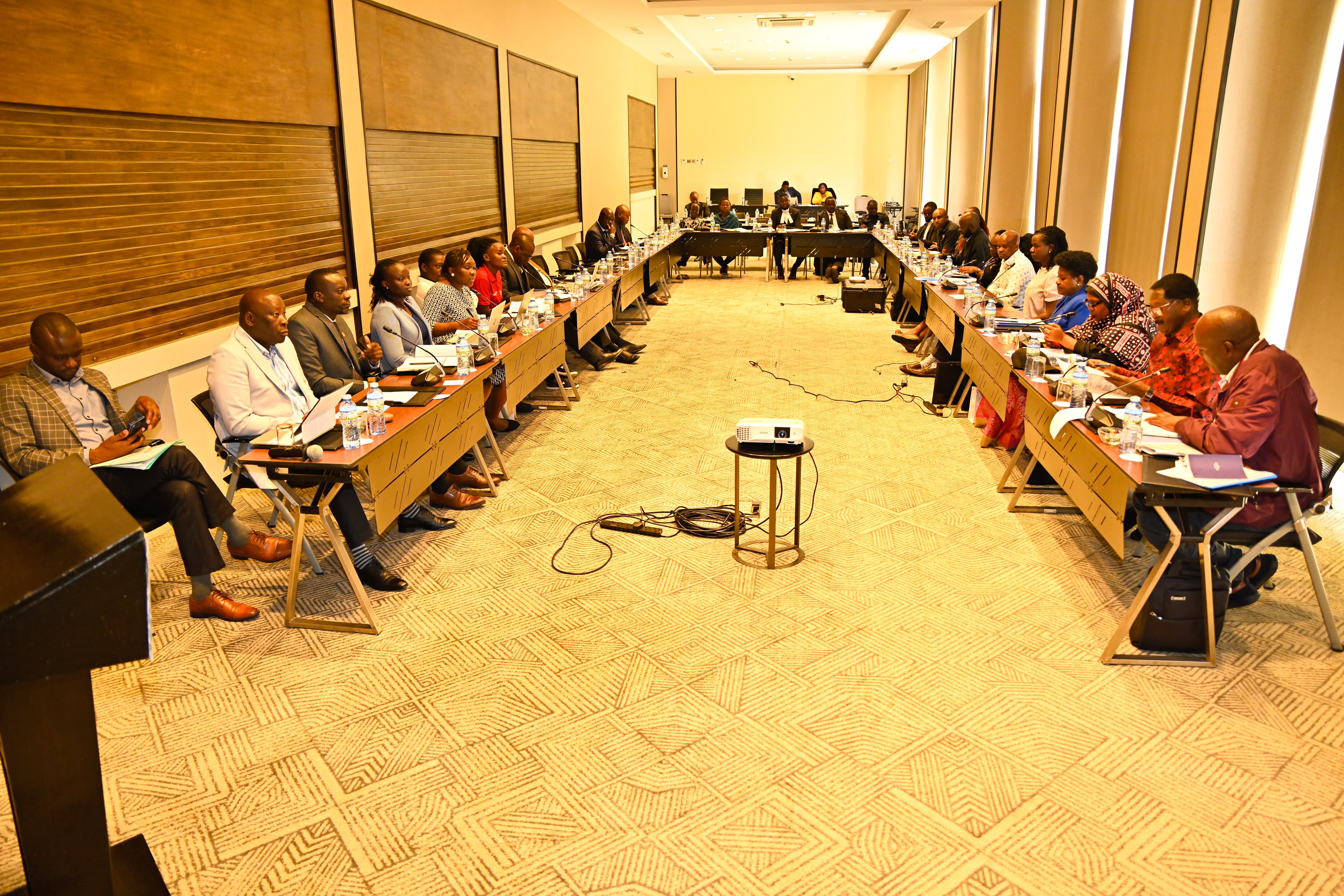
The Senate Labour and Social Welfare Committee on Friday sharply criticised government agencies over the continued inaccessibility of key public buildings in Mombasa, accusing officials of relying on promises and “future tense” planning while persons with disabilities remain shut out of courts, offices and essential public services.
The session, chaired by Sen Julius Murgor (West Pokot), centred on a petition by Zedekiah Adika, challenging the inaccessibility of buildings including Bima Towers, Uhuru na Kazi, Mombasa Law Courts, county government offices and other public offices in the coastal city.
Representatives from the Judiciary, the Ministry of Labour and Social Protection and the National Environment Management Authority (NEMA) appeared before the committee to explain delays in implementing accessibility standards under the Persons with Disabilities Act 2025.
Officials from the State Department for Social Protection acknowledged widespread failures. Principal Secretary Joseph Motari told senators that the government agreed with petitioners that public buildings “must be accessible to all”, insisting that “no Kenyan should be excluded from accessing government services due to physical or systemic barriers”.
Motari said the National Council for Persons with Disabilities had already carried out accessibility audits on key government buildings in Mombasa, uncovering “critical gaps in inclusive infrastructure” at facilities such as Bima Towers and Uhuru na Kazi.
He told the committee that draft regulations under the new law were now before the Council’s board and would be considered between 18 and 22 May before being subjected to public participation. The ministry, he said, had also developed an accessibility and usability audit tool covering seven domains and was working with the Council of Governors on a disability inclusion reporting framework for counties.
But senators expressed impatience that, a full year after the law was enacted, regulations were still pending.
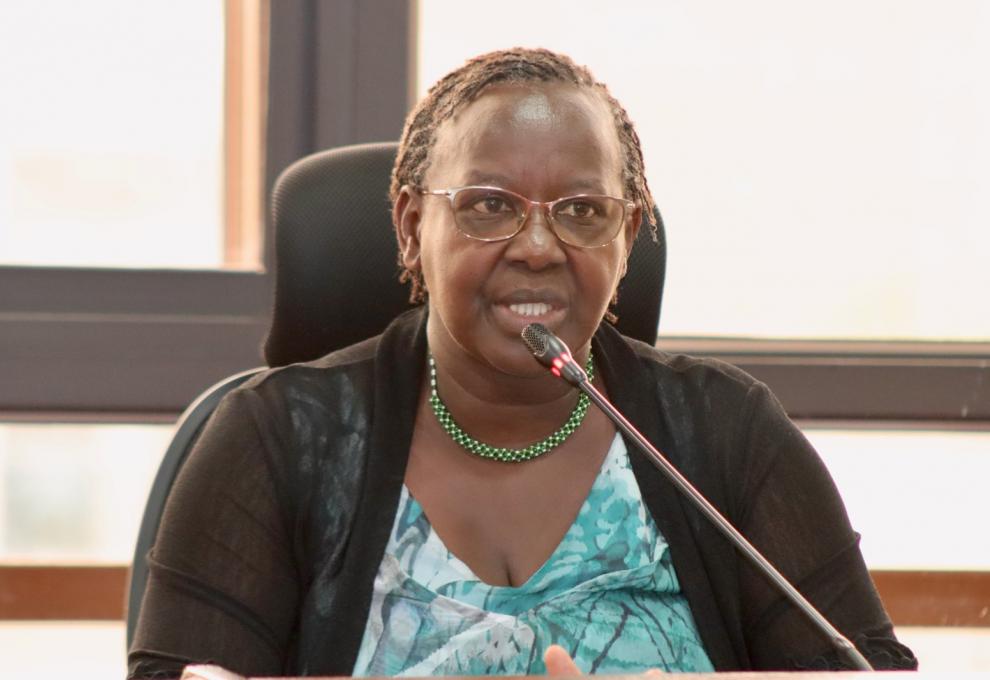
Vice-chair Crystal Asige accused ministries of hiding behind procedural language instead of delivering tangible change.
“A whole 365 days later, there isn’t even one regulation, and we’re still reading in a submission saying that we are planning on doing it,” she said, warning that failure to secure allocations in the current budget cycle could push meaningful disability funding to 2028.
The Judiciary came under the heaviest scrutiny, particularly over the state of the new Mombasa Law Courts complex — completed in 2021 but still lying unused because of structural defects.
Judiciary officials outlined what they described as a broader institutional shift toward inclusion, backed by a $1m Ford Foundation grant spread over five years. The funding, they said, would support accessibility audits across all court buildings, translation of judiciary policies into Braille and audio formats and annual inclusivity forums for persons with disabilities.
They also revealed that the Judiciary was finalising a 10-year infrastructure master plan that would standardise court designs nationwide to include ramps, lifts fitted with voice commands and Braille functionality and compliant ablution facilities.
On Mombasa specifically, officials said a ramp linking the street level to the second floor of the court building had been costed and would begin construction in July through the Ministry of Public Works, with completion targeted for December.
But senators demanded accountability for the botched court complex itself.
Sen Miraj Abdullahi questioned who certified the building, who carried out quality assurance and whether disciplinary or legal action had been taken against those responsible for the defects. Judiciary officials admitted they did not have the full details at hand and requested seven days to file a comprehensive report.
The committee also turned its frustration toward the Ministry of Environment and NEMA after senior decision-makers failed to attend the sitting despite the presence of petitioners in the room.
Sen Beth Syengo questioned why the Cabinet Secretary or another senior official had not appeared before the committee for what she described as a live and urgent matter affecting citizens’ constitutional rights.
Sen Murgor backed the concerns, declining to receive submission from technical officers present and insisting the committee required the CS who is capable of committing government agencies to timelines, funding and implementation targets.
Throughout the session, senators repeatedly warned against fragmented approaches to accessibility, urging ministries, county governments and the Judiciary to coordinate audits and infrastructure works through the Ministry of Roads and Public Works and to involve the National Council for Persons with Disabilities at every stage of design and implementation.
By the close of the meeting, the committee had extracted a series of commitments: fast-tracking disability regulations under the Persons with Disabilities Act; completion of the Mombasa court ramp by the end of the year; a seven-day accountability report on the stalled law courts complex; and formal inclusion of disability stakeholders in future audits and court design processes.
Still, senators made clear that patience was running out.
“Come August or September, we are inspecting that work in Mombasa,” Sen Murgor warned, signalling that the committee intended to move beyond boardroom assurances and test government promises against the lived reality facing persons with disabilities on the ground.
For petitioners present, the hearing ended not with celebration, but with a familiar mix of cautious hope and exhaustion — another round of commitments and timelines offered, while many of the buildings under discussion remain spaces they still cannot fully access.