 What's on
 Things to Do
 Plan your Visit
 Media Rules and Filming
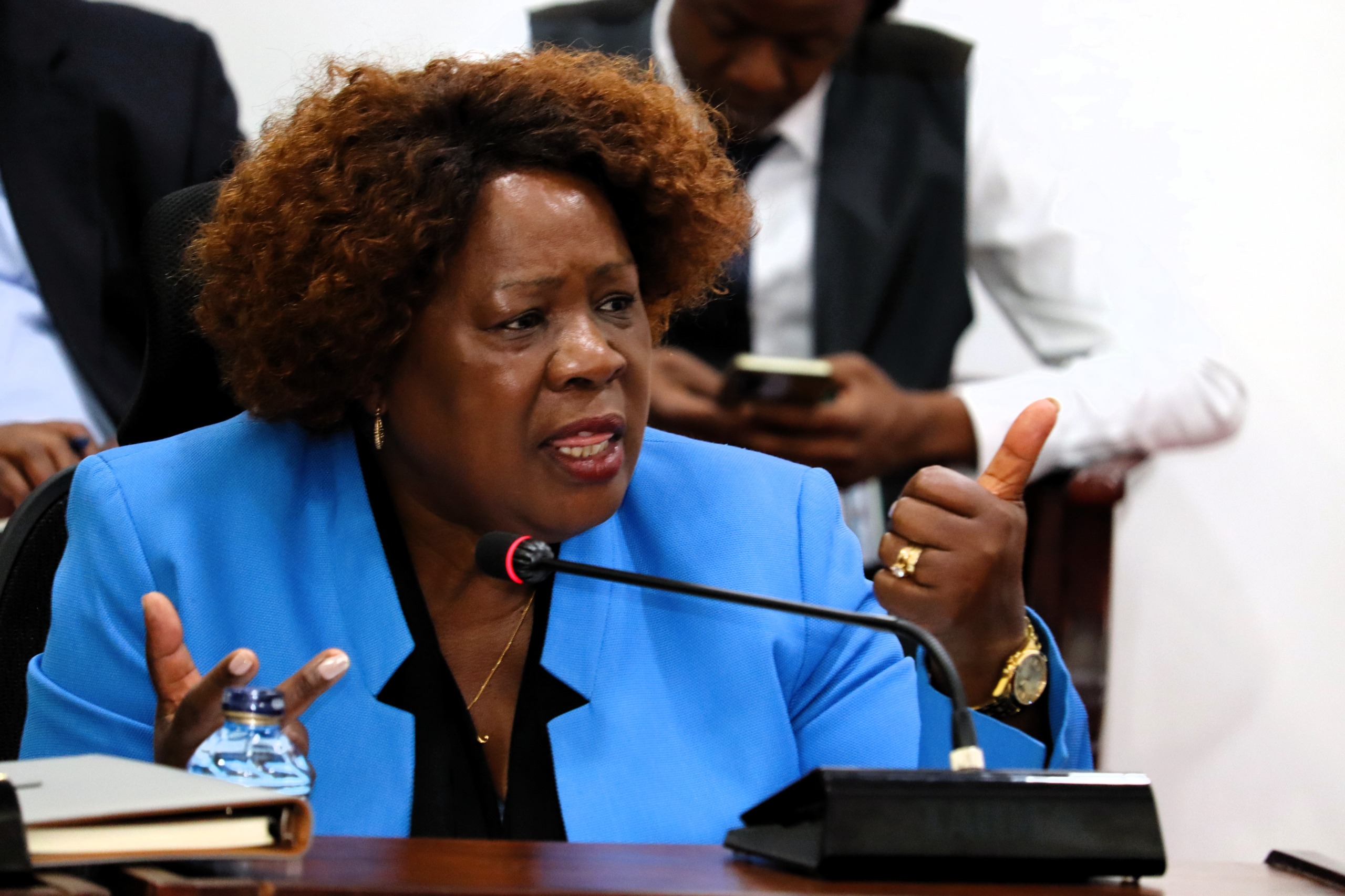
𝐒𝐄𝐍𝐀𝐓𝐄 𝐋𝐀𝐁𝐎𝐔𝐑 𝐂𝐎𝐌𝐌𝐈𝐓𝐓𝐄𝐄 𝐏𝐑𝐄𝐒𝐒𝐄𝐒 𝐋𝐀𝐍𝐃𝐒 𝐌𝐈𝐍𝐈𝐒𝐓𝐑𝐘 𝐀𝐒 𝐅𝐀𝐈𝐋𝐔𝐑𝐄𝐒 𝐈𝐍 𝐏𝐔𝐁𝐋𝐈𝐂 𝐁𝐔𝐈𝐋𝐃𝐈𝐍𝐆 𝐀𝐂𝐂𝐄𝐒𝐒𝐈𝐁𝐈𝐋𝐈𝐓𝐘 𝐏𝐄𝐑𝐒𝐈𝐒𝐓


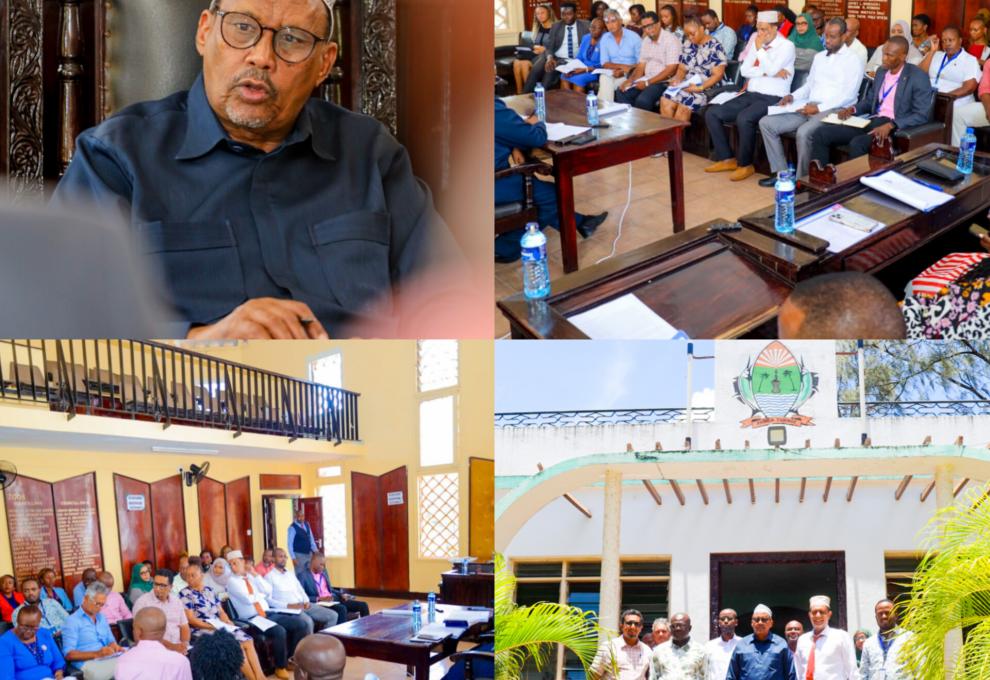
The Senate Committee on Labour and Social Welfare, chaired by Sen Julius Murgor (West Pokot), today intensified scrutiny of government lapses in making public buildings accessible to Persons With Disabilities (PWDs), warning that long-standing inaction has left constitutional rights suspended in limbo.
The inquiry—triggered by a Petition to the Senate by Zedekiah Adika on the inaccessibility of government buildings in Mombasa—brought together Cabinet Secretary for Lands, Public Works, Housing and Urban Development Alice Wahome, senior ministry officials and heads of regulatory agencies. What followed was a forensic interrogation of technical gaps, regulatory failures and institutional inertia that have kept PWDs locked out of essential government services for years.
CS Wahome opened proceedings with a report on seven public buildings in Mombasa, including Bima Towers, the Mombasa County Assembly building and the Office of the Deputy County Commissioner, where dilapidated infrastructure has for years rendered services effectively unreachable for PWDs.
Bima Towers, a 17-storey building, was singled out as emblematic of outright neglect. Its lifts have been non-functional for years; CS Wahome told senators that new lifts would be installed after a tender worth KSh 43.7 million was floated by the Department of Housing and Urban Development.
But Senators quickly broadened the conversation to systemic failures.
Sen Crystal Asige—Vice Chair of the Committee and sponsor of the Persons with Disabilities Act, 2025—delivered a measured but unmistakably sharp warning against “oversimplified” approaches to disability inclusion.
“Accessibility does not end with a ramp or a lift. It must consider a range of features, like non-slip flooring, accessible signage and safe, usable toilets for all people.”
Sen Asige also confronted the Ministry on unresolved structural issues.
“Fifteen years after devolution, we are still debating building ownership and asset transfers. When will this be resolved and who is actually accountable?”
Wahome conceded that the long-delayed transfer of assets between national and county governments remains unresolved, but said negotiations under the Office of the Deputy President were “at an advanced stage” and could conclude within a year.
Committee members repeatedly pressed the Ministry and regulators on whether the National Building Code and accessibility laws are being meaningfully enforced.
Sen Joe Nyutu (Murang’a) sought clarity on emergency protocols for PWDs, questioning what evacuation plans exist for multi-storey public buildings when lifts should not be used.
Sen Miraj Abdullahi raised concerns about whether UNESCO-listed or heritage-protected buildings—such as the Mombasa County Assembly—can lawfully be modified to incorporate accessibility features. The National Construction Authority (NCA) replied that while heritage status is often cited as a barrier, it is rarely an absolute restriction.
NCA Executive Director Maurice Akech added that any building can be modified to improve accessibility—whether by adding external ramps, altering internal layouts, or introducing new technologies such as motorized stair-climbing wheelchairs. He emphasised that “the real issue is commitment, funding and precise technical planning.”
NCA officials also highlighted their mandate to set and enforce standards for government buildings, pointing to the National Building Code—effective March 2025—which legally requires universal access in all new developments.
Ministry and agency representatives admitted that many county governments lack qualified engineers and architects to enforce building codes, describing this capacity gap as “the weakest link” in the regulatory chain.
The NCA outlined its multi-stage supervision process—from county approvals to national registration and ongoing monitoring—but acknowledged that unauthorised modifications and poor supervision continue to enable serious violations, including the recently condemned building in Mombasa.
The session concluded with a commitment from the Ministry to furnish the Senate Committee with a progress report by the end of January 2026 on the installation of lifts at Bima Towers and on the broader concerns raised in the Petition.