
 What's on
 Things to Do
 Plan your Visit
 Media Rules and Filming
SENATE COMMITTEE ENDORSES COLLABORATION FRAMEWORK BETWEEN OAG AND PARLIAMENT







A watchdog Committee of the Senate has approved a request by the Office of the Auditor General for the setting up of a collaboration framework to jointly address the challenges relating to accountability ecosystem.
According to the proposal, the framework will bring together Parliament and the Office of the Auditor General.
The County Public Accounts Committee (CPAC) unanimously endorsed the proposal noting that weak inter-agency coordination on issues of accountability has undermined the implementation of audit and legislative recommendations captured in the financial reports, thereby hindering accountability and prudent use of public funds.
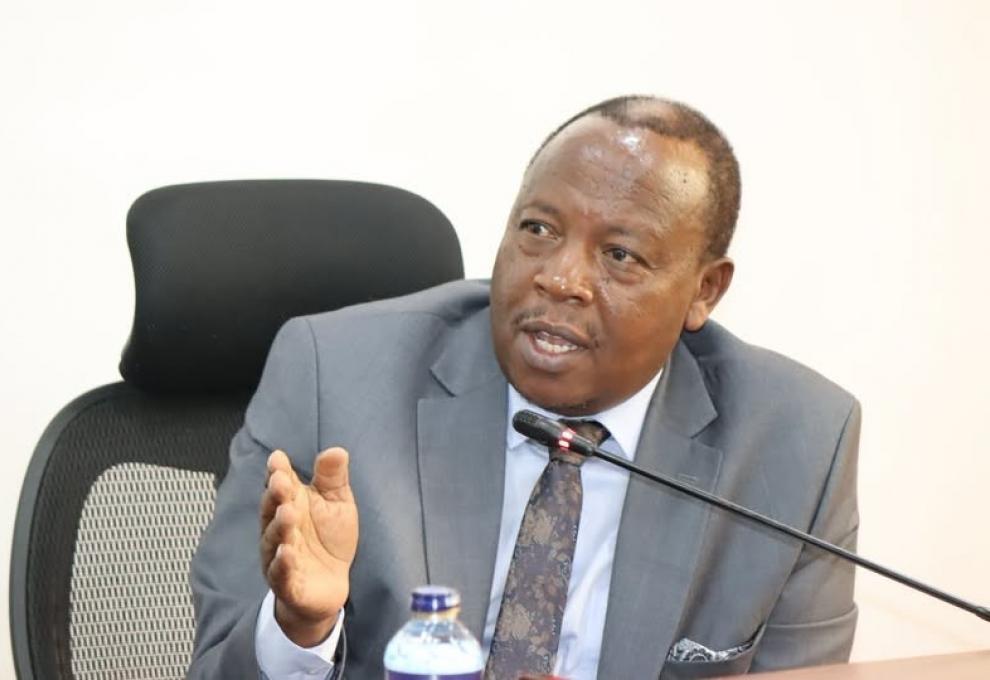
“Such framework is welcome and we endorse it fully,” said Senator Moses Kajwang’, the chair of the Committee, who however, insisted that the proposed framework should not be restricted to Parliament and Office of the Auditor General.
“The framework should not be about Parliament and the OAG. It should be expanded and other stakeholders in the accountability space included,” he explained. In his view, the framework should include investigative agencies like the Directorate of Criminal Investigations, Ethics and Anti-Corruption Commission, the Directorate of Public Prosecutions and any other person or institution that has a stake in the accountability space.
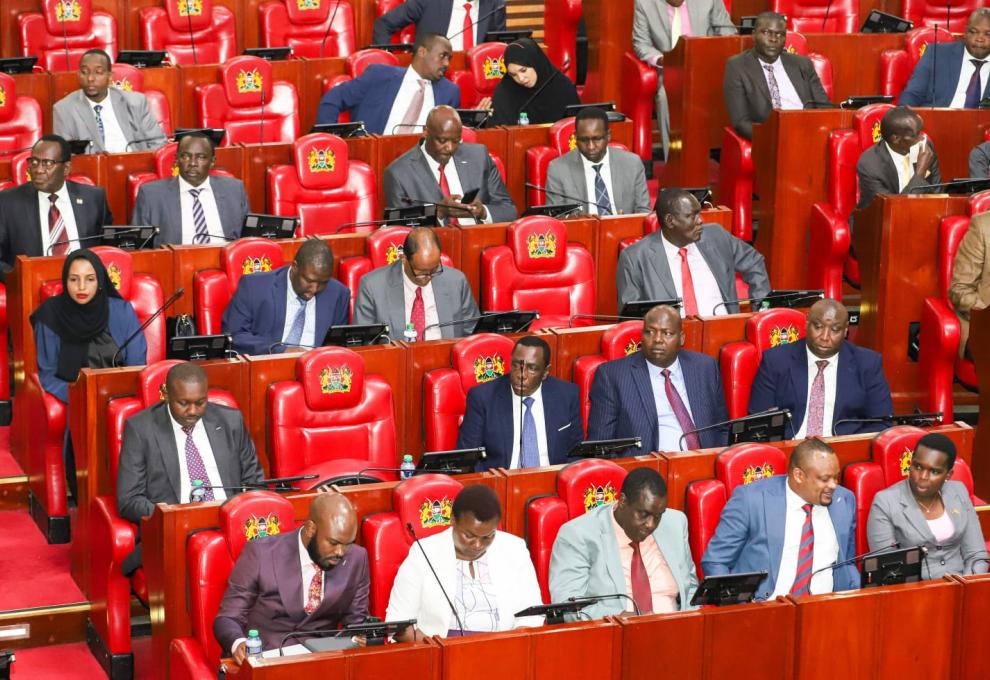
Senator Johnes Mwaruma, the vice chair, Senator Enock Wambua, Senator Edwin Sifuna and Senator Mwenda Gataya Mo Fire, all unanimously endorsed the proposal arguing that such a collaborative framework is essential in streamlining interactions and ensure adherence to the Constitutional expectations.
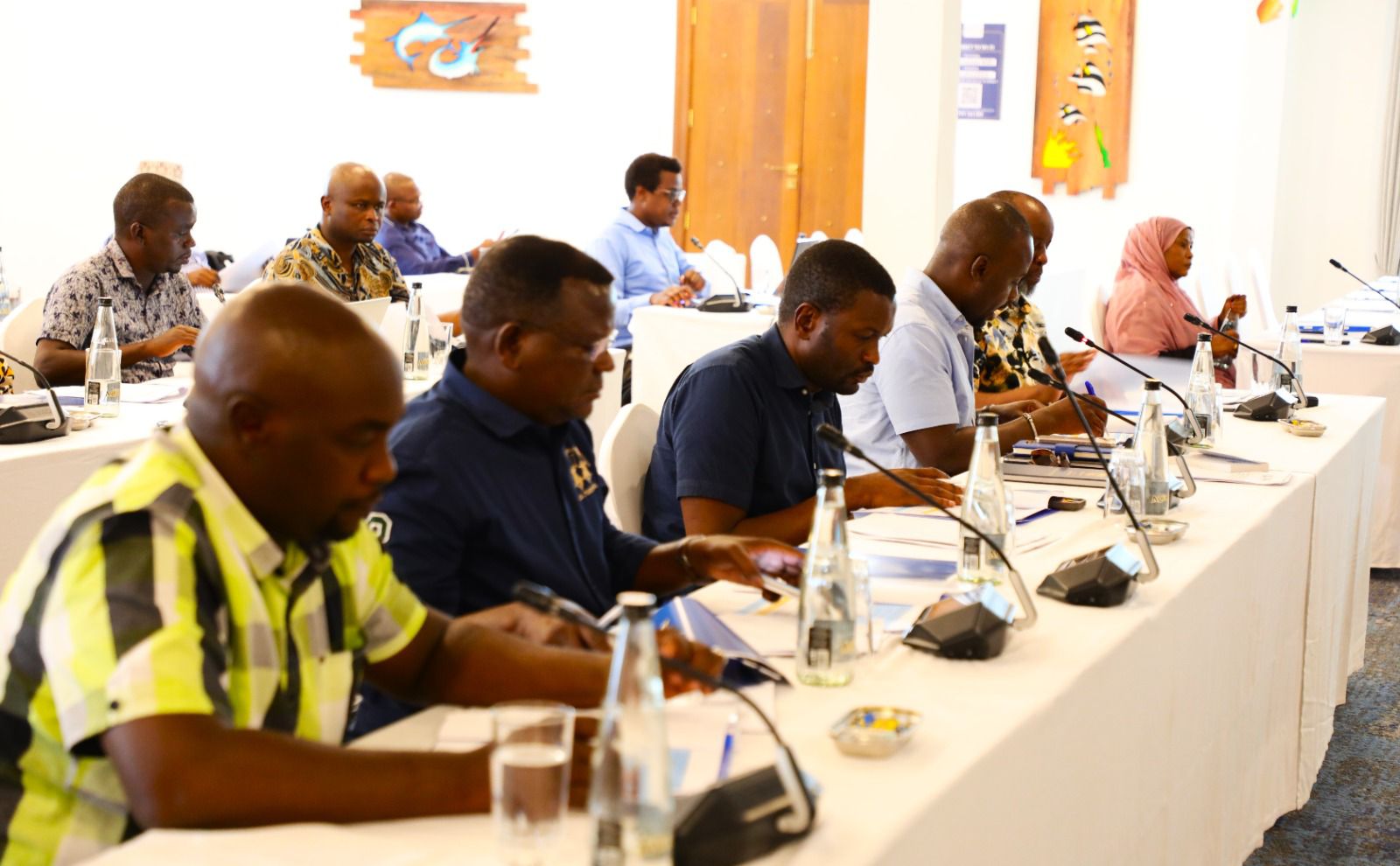
The lawmakers were responding after the OG made the proposal during the Committee’s engagement with stakeholders in Mombasa County on Tuesday, January 20, 2026.
Apart from the Office of the Auditor General, other participants at the forum were officials from the National Treasury.
The meeting comes at an important time because for the first time ever Government entities prepared financial statements on accrual basis.
Accrual accounting is an accounting method that records revenues and expenses when they are earned or incurred, regardless of when cash is actually received or paid.
It gives a more accurate picture of financial performance as it matches revenues with the expenses used to generate them (called the matching principle). This shows the
True profitability for a specific period whether the business is actually performing well, not just collecting cash
It also improves financial statement reliability.
The OAG notes that over 70 per cent of recommendations remain unimplemented or partially implemented, undermining legislative oversight. Further, more than 60 per cent of the recommendations are administrative in nature, pointing to weaknesses in internal controls and accountability of Accounting Officers. Weak Inter-Agency coordination – implementation of recommendations involving multiple actors such as the National Treasury, Attorney General and investigative agencies suffered delays due to lack of structured collaboration.
In her proposal, the Auditor General, in a speech read on her behalf by Dr Lawrence Lari, who is the deputy auditor general in charge of Financial Audit Services, had said such a framework will strengthen the system of accountability and transparency and would be a testament to her office’s commitment to the partnership.
In the report of Public Expenditure and Financial Accountability study in 2022 which focused on the External Scrutiny and Audit Pillar of Kenya’s Public Finance Management System, Kenya scored a D. Auditor General Gathungu said this which was an indicator of weaknesses in supporting efficient service delivery. The study attributed the low score to the delayed submission and scrutiny process of audit reports and lack of a systematic follow-up mechanism.
She however admitted the country has made great strides and reforms in enhancing external audit and scrutiny of the audit reports.
The International Organization of Supreme Audit Institutions Development Initiative (INTOSAI IDI) in its Global Stocktaking Report 2023 showed that there is great potential for Audit Institutions to engage more strategically with Parliaments to create greater audit impact, oversight, and accountability.
The Report further encourages the Institutions to seek the input of Parliament when planning audits.
Auditor General Gathungu acknowledged that although Parliament and the OAG have a long-standing working relationship, there is a growing recognition of the need for strengthened structured collaboration and continuous engagement to improve the use of audit information in oversight, enhance the follow-up of audit recommendations, and foster stronger accountability across government.
The elements of the framework include clear Objectives, which will align collaboration with improved governance and timely processing of audit reports, defined roles, which will include responsibilities of Parliament (oversight and action) and OAG (audit, reporting, advisory support).
The framework will also include communication Channels which will involve regular committee meetings and structured communication, transparency involving public access to audit reports and documentation of actions taken.
To formalize the process, the Committee allowed the OAG to engage jointly with the Clerks of the National Assembly and Senate to constitute a Joint Technical Team to ensure seamless coordination and preparation for the strategic partnership and draft and refine the collaboration framework.
The Team has been given three months to present a draft framework for review and approval.