 What's on
 Things to Do
 Plan your Visit
 Media Rules and Filming
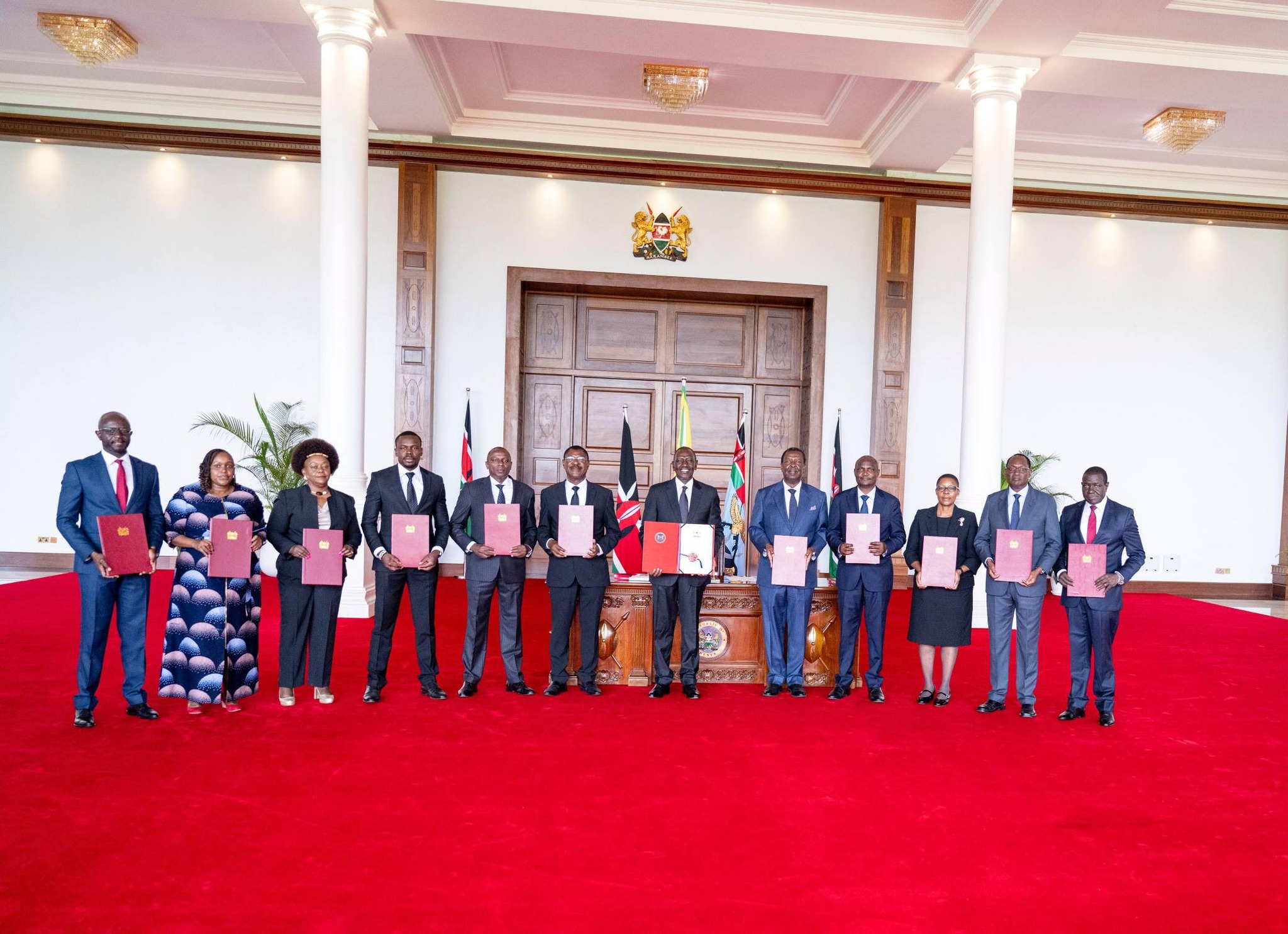
𝐒𝐔𝐏𝐏𝐋𝐄𝐌𝐄𝐍𝐓𝐀𝐑𝐘 𝐀𝐏𝐏𝐑𝐎𝐏𝐑𝐈𝐀𝐓𝐈𝐎𝐍 𝐁𝐈𝐋𝐋 𝐒𝐈𝐆𝐍𝐄𝐃 𝐈𝐍𝐓𝐎 𝐋𝐀𝐖, 𝐔𝐍𝐋𝐎𝐂𝐊𝐈𝐍𝐆 𝐒𝐄𝐂𝐔𝐑𝐈𝐓𝐘, 𝐄𝐃𝐔𝐂𝐀𝐓𝐈𝐎𝐍, 𝐇𝐄𝐀𝐋𝐓𝐇 𝐅𝐔𝐍𝐃𝐈𝐍𝐆






The Supplementary Appropriation Bill, 2026, has been signed into law. The Bill now Act seeks to align spending with emerging priorities, including security operations, education needs, healthcare funding, and infrastructure development.
The increase represents a 9.1 per cent rise from the original budget of KSh4.301 trillion. Of the additional funds, KSh363.8 billion will go to the National Government, while KSh29.2 billion is allocated to Consolidated Fund Services.
The revised budget will finance recurrent expenditure, which has been increased by KSh229.4 billion. Development, or capital expenditure, has also received a boost of KSh134.4 billion.
Security emerged as the biggest winner, receiving KSh60 billion in additional funding. The State Department for Internal Security has been allocated KSh11.9 billion, including funds for security operations, modernization of police systems, and compensation for victims of recent demonstrations.
The education sector also secured substantial allocations. The Teachers Service Commission will receive KSh24.2 billion to address salary shortfalls and insurance costs. University funding and student support have also been bolstered, with KSh4.1 billion going to HELB and KSh3.88 billion set aside to clear salary arrears owed to university staff.
In healthcare, the government has allocated billions to stabilize services. This includes KSh4 billion to settle pending bills from the defunct NHIF and KSh5.4 billion to support the doctors’ internship programme. Additional funds will go toward upgrading hospitals and supporting vaccine programmes.
Housing and infrastructure projects have also received a boost. The Affordable Housing Programme has been allocated KSh25 billion, while KSh4.5 billion will fund road projects under the Horn of Africa Gateway initiative.
Agriculture, a key pillar of the economy, will receive over KSh17 billion. The fertilizer subsidy programme alone has been allocated KSh10 billion to support farmers and enhance food production.
To finance the expanded budget, the government plans to strengthen non-tax revenue streams, including privatization initiatives. An additional KSh17.6 billion allocation to the Kenya Revenue Authority is expected to enhance tax collection.
𝐒𝐔𝐏𝐏𝐋𝐄𝐌𝐄𝐍𝐓𝐀𝐑𝐘 𝐀𝐏𝐏𝐑𝐎𝐏𝐑𝐈𝐀𝐓𝐈𝐎𝐍 𝐁𝐈𝐋𝐋 𝐒𝐈𝐆𝐍𝐄𝐃 𝐈𝐍𝐓𝐎 𝐋𝐀𝐖, 𝐔𝐍𝐋𝐎𝐂𝐊𝐈𝐍𝐆 𝐒𝐄𝐂𝐔𝐑𝐈𝐓𝐘, 𝐄𝐃𝐔𝐂𝐀𝐓𝐈𝐎𝐍, 𝐇𝐄𝐀𝐋𝐓𝐇 𝐅𝐔𝐍𝐃𝐈𝐍𝐆
The Supplementary Appropriation Bill, 2026, has been signed into law. The Bill now Act seeks to align spending with emerging priorities, including security operations, education needs, healthcare funding, and infrastructure development.
The increase represents a 9.1 per cent rise from the original budget of KSh4.301 trillion. Of the additional funds, KSh363.8 billion will go to the National Government, while KSh29.2 billion is allocated to Consolidated Fund Services.
The revised budget will finance recurrent expenditure, which has been increased by KSh229.4 billion. Development, or capital expenditure, has also received a boost of KSh134.4 billion.
Security emerged as the biggest winner, receiving KSh60 billion in additional funding. The State Department for Internal Security has been allocated KSh11.9 billion, including funds for security operations, modernization of police systems, and compensation for victims of recent demonstrations.
The education sector also secured substantial allocations. The Teachers Service Commission will receive KSh24.2 billion to address salary shortfalls and insurance costs. University funding and student support have also been bolstered, with KSh4.1 billion going to HELB and KSh3.88 billion set aside to clear salary arrears owed to university staff.
In healthcare, the government has allocated billions to stabilize services. This includes KSh4 billion to settle pending bills from the defunct NHIF and KSh5.4 billion to support the doctors’ internship programme. Additional funds will go toward upgrading hospitals and supporting vaccine programmes.
Housing and infrastructure projects have also received a boost. The Affordable Housing Programme has been allocated KSh25 billion, while KSh4.5 billion will fund road projects under the Horn of Africa Gateway initiative.
Agriculture, a key pillar of the economy, will receive over KSh17 billion. The fertilizer subsidy programme alone has been allocated KSh10 billion to support farmers and enhance food production.
To finance the expanded budget, the government plans to strengthen non-tax revenue streams, including privatization initiatives. An additional KSh17.6 billion allocation to the Kenya Revenue Authority is expected to enhance tax collection.
𝐒𝐔𝐏𝐏𝐋𝐄𝐌𝐄𝐍𝐓𝐀𝐑𝐘 𝐀𝐏𝐏𝐑𝐎𝐏𝐑𝐈𝐀𝐓𝐈𝐎𝐍 𝐁𝐈𝐋𝐋 𝐒𝐈𝐆𝐍𝐄𝐃 𝐈𝐍𝐓𝐎 𝐋𝐀𝐖, 𝐔𝐍𝐋𝐎𝐂𝐊𝐈𝐍𝐆 𝐒𝐄𝐂𝐔𝐑𝐈𝐓𝐘, 𝐄𝐃𝐔𝐂𝐀𝐓𝐈𝐎𝐍, 𝐇𝐄𝐀𝐋𝐓𝐇 𝐅𝐔𝐍𝐃𝐈𝐍𝐆
The Supplementary Appropriation Bill, 2026, has been signed into law. The Bill now Act seeks to align spending with emerging priorities, including security operations, education needs, healthcare funding, and infrastructure development.
The increase represents a 9.1 per cent rise from the original budget of KSh4.301 trillion. Of the additional funds, KSh363.8 billion will go to the National Government, while KSh29.2 billion is allocated to Consolidated Fund Services.
The revised budget will finance recurrent expenditure, which has been increased by KSh229.4 billion. Development, or capital expenditure, has also received a boost of KSh134.4 billion.
Security emerged as the biggest winner, receiving KSh60 billion in additional funding. The State Department for Internal Security has been allocated KSh11.9 billion, including funds for security operations, modernization of police systems, and compensation for victims of recent demonstrations.
The education sector also secured substantial allocations. The Teachers Service Commission will receive KSh24.2 billion to address salary shortfalls and insurance costs. University funding and student support have also been bolstered, with KSh4.1 billion going to HELB and KSh3.88 billion set aside to clear salary arrears owed to university staff.
In healthcare, the government has allocated billions to stabilize services. This includes KSh4 billion to settle pending bills from the defunct NHIF and KSh5.4 billion to support the doctors’ internship programme. Additional funds will go toward upgrading hospitals and supporting vaccine programmes.
Housing and infrastructure projects have also received a boost. The Affordable Housing Programme has been allocated KSh25 billion, while KSh4.5 billion will fund road projects under the Horn of Africa Gateway initiative.
Agriculture, a key pillar of the economy, will receive over KSh17 billion. The fertilizer subsidy programme alone has been allocated KSh10 billion to support farmers and enhance food production.
To finance the expanded budget, the government plans to strengthen non-tax revenue streams, including privatization initiatives. An additional KSh17.6 billion allocation to the Kenya Revenue Authority is expected to enhance tax collection.