 What's on
 Things to Do
 Plan your Visit
 Media Rules and Filming
𝐆𝐎𝐕𝐄𝐑𝐍𝐌𝐄𝐍𝐓 𝐃𝐄𝐅𝐄𝐍𝐃𝐒 𝐒𝐎𝐔𝐓𝐇 𝐋𝐎𝐊𝐈𝐂𝐇𝐀𝐑 𝐎𝐈𝐋 𝐏𝐋𝐀𝐍 𝐀𝐒 𝐏𝐀𝐑𝐋𝐈𝐀𝐌𝐄𝐍𝐓 𝐅𝐀𝐂𝐄𝐒 𝐓𝐈𝐆𝐇𝐓 𝐑𝐄𝐕𝐈𝐄𝐖 𝐃𝐄𝐀𝐃𝐋𝐈𝐍𝐄







The Government has defended its decision to approve the South Lokichar Field Development Plan (FDP), arguing that the project is legally sound, economically viable and critical to unlocking Kenya’s upstream petroleum potential.
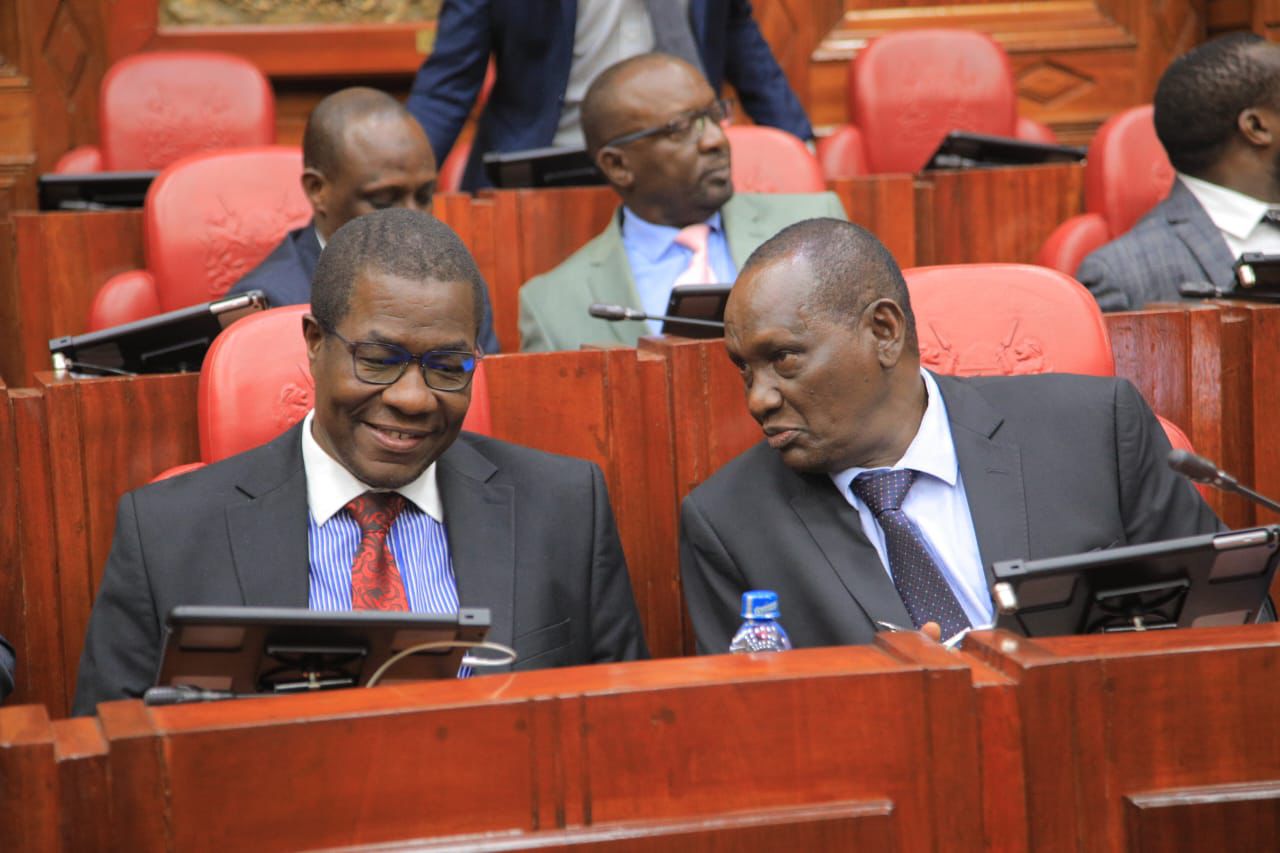
Appearing before a joint sitting of the National Assembly’s Departmental Committee on Energy and the Senate Standing Committee on Energy, Energy and Petroleum Cabinet Secretary Opiyo Wandayi outlined the rationale behind the approval of the FDP and revised Production Sharing Contracts (PSCs) for Blocks T6 and T7 in the South Lokichar Basin.
Wandayi said the plan complies with the Petroleum Act, 2019 and the Constitution, noting that commercial oil fields had been established in the two blocks but were marginal when considered independently. As a result, a joint development strategy was adopted to improve economic viability and operational efficiency.
“The joint development ensures optimal utilisation of infrastructure, including a shared central processing facility, and aligns with international industry best practice,” the Cabinet Secretary told the committees.
Co-chair of the joint committees, Senator William Kisang, underscored the urgency of the parliamentary review process, saying lawmakers were working under tight timelines. “The timelines for this are very tight and we must table a report before February 24, 2025,” Senator Kisang said.
National Assembly co-chair David Gikaria echoed the urgency, warning that delays could see Parliament lose its input in the process. “We have 60 days to get public views on this South Lokichar Field Development Plan and present them to both Houses for consideration. If we are overtaken by time, the plan is ratified without our input,” Gikaria said.
The South Lokichar Basin hosts an estimated 2.85 billion barrels of stock tank oil initially in place, with recoverable resources estimated at 429 million barrels over the life of the project. The most mature fields include Ngamia, Ekales, Amosing and Twiga.
A key point of contention has been the increase of the cost recovery ceiling to 85 per cent for both blocks, up from 55 per cent for Block T6 and 65 per cent for Block T7. Wandayi said the adjustment was necessary to attract financing for the capital-intensive project, which has struggled to secure strategic partners due to its marginal nature and shifting global investment away from hydrocarbons.
He noted that comparable petroleum-producing countries such as Angola, Cameroon and Ghana allow cost recovery ceilings of between 85 and 100 per cent, adding that Kenyan law does not prescribe a fixed limit.
The government has also retained a 20 per cent participation interest in the project, meaning it will contribute proportionately to development costs if it elects to take up the stake.
Parliament is expected to deliberate on the FDP and PSCs before making a decision on ratification.
The joint committee will conduct public hearings and participation as from tomorrow in Turkana, West Pokot, Lamu,
Mombasa, Trans Nzoia and Uasin Gishu counties.