 What's on
 Things to Do
 Plan your Visit
 Media Rules and Filming
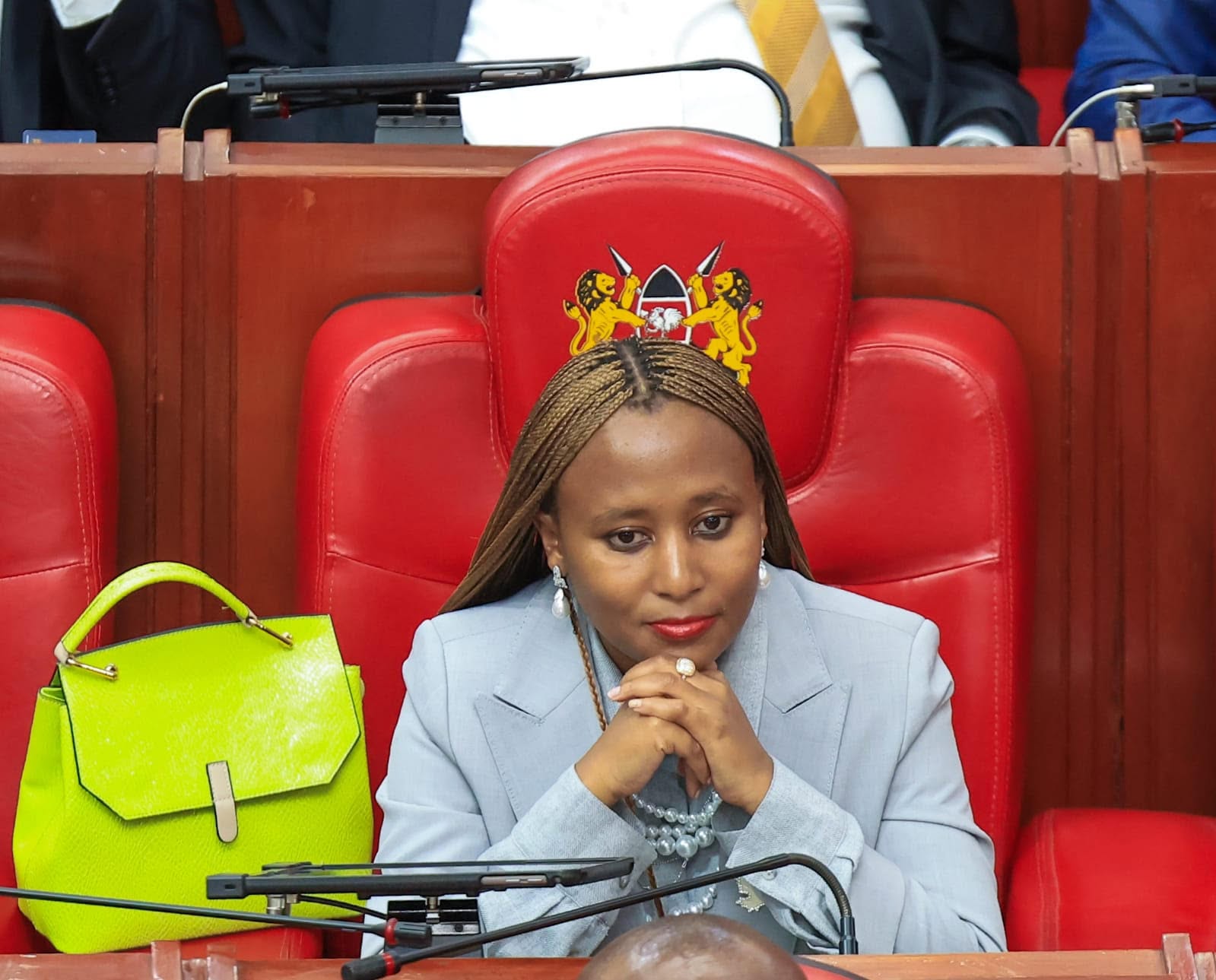
𝐊𝐈𝐑𝐈𝐍𝐘𝐀𝐆𝐀 𝐂𝐎𝐔𝐍𝐓𝐘 𝐌𝐏 𝐏𝐔𝐒𝐇 𝐅𝐎𝐑 𝐀𝐂𝐓𝐈𝐎𝐍 𝐀𝐒 𝐄𝐍𝐃𝐎𝐌𝐄𝐓𝐑𝐈𝐎𝐒𝐈𝐒 𝐁𝐔𝐑𝐃𝐄𝐍 𝐆𝐑𝐎𝐖𝐒 𝐀𝐌𝐎𝐍𝐆 𝐊𝐄𝐍𝐘𝐀𝐍 𝐖𝐎𝐌𝐄𝐍


A Member of Parliament has called for urgent government action to address the growing burden of endometriosis among Kenyan women and girls, warning that delayed diagnosis and costly treatment are leaving many to suffer silently for years.
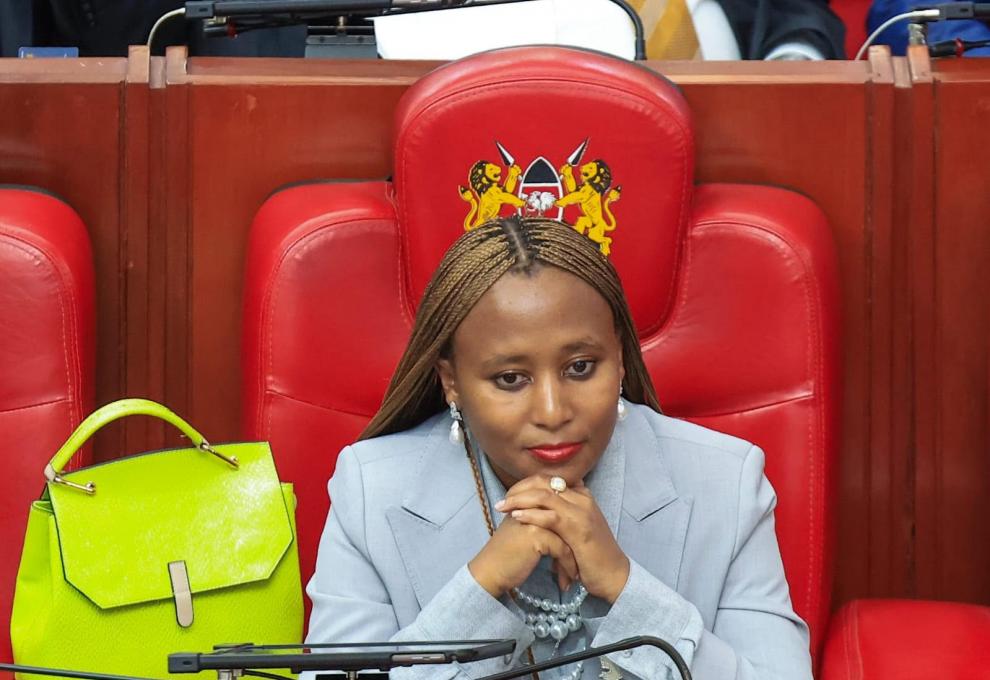
Kirinyaga County MP Hon. Njeri Maina said endometriosis should no longer be treated merely as a private medical problem, arguing that the condition has significant public health, social and economic consequences.
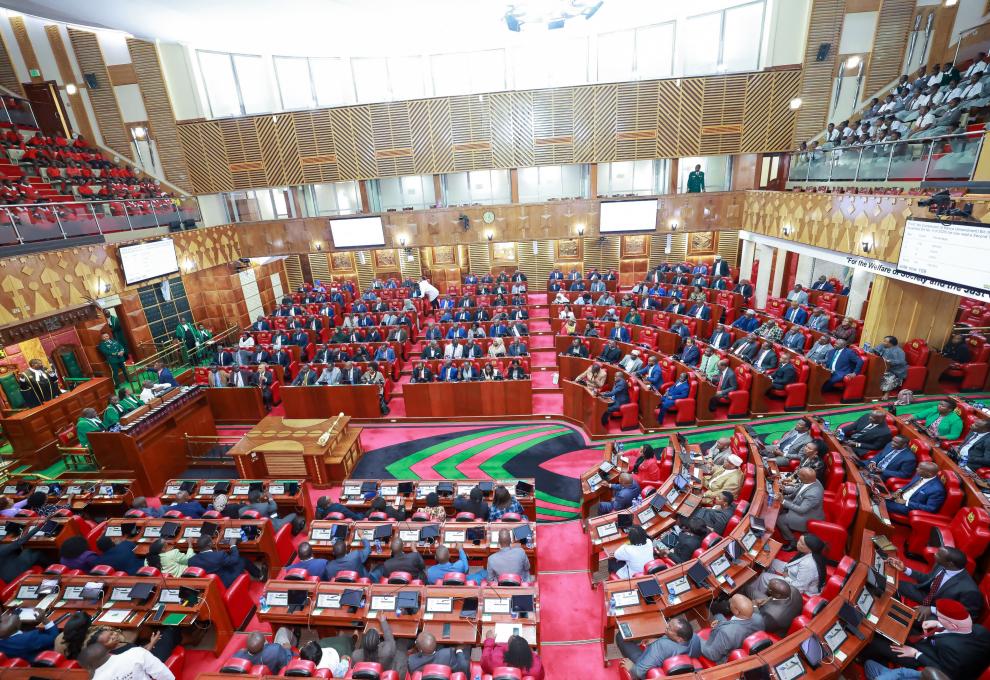
Hon. Maina told the National Assembly that the chronic condition, in which tissue similar to the lining of the uterus grows outside the uterus, can cause severe pelvic and menstrual pain, excessive bleeding, fatigue and, in some cases, infertility.
She said many Kenyan women move from one health facility to another before receiving an accurate diagnosis, with their symptoms often dismissed as ordinary menstrual pain.
“Many Kenyan women consequently suffer silently for years, moving from one health facility to another before receiving an accurate diagnosis,” Hon. Maina said.
She noted that the condition can interfere with education and employment, resulting in lost income and imposing a heavy financial burden on affected women and their families.
The MP said women, particularly those living outside major urban centres, face limited access to specialised diagnosis and treatment, further worsening the problem.
She called for endometriosis care to be integrated into the Universal Health Coverage agenda and covered under the Social Health Authority (SHA).
Hon. Maina also urged the Government to decentralise diagnostic and specialised treatment services to county and regional referral hospitals to make care more accessible.
She proposed enhanced training of healthcare workers, comprehensive menstrual health education and national research to establish the prevalence and socio- economic impact of the condition in Kenya.
The MP further called for clear national guidelines covering the diagnosis, referral, treatment and long-term management of endometriosis.
According to Hon. Maina, Kenya’s menstrual health agenda should also move beyond the provision of sanitary products to educating girls and women about menstrual health.