 What's on
 Things to Do
 Plan your Visit
 Media Rules and Filming
𝐏𝐔𝐁𝐋𝐈𝐂 𝐏𝐄𝐓𝐈𝐓𝐈𝐎𝐍𝐒 𝐂𝐎𝐌𝐌𝐈𝐓𝐓𝐄𝐄 𝐓𝐎𝐋𝐃 𝐓𝐇𝐀𝐓 𝐓𝐖𝐎-𝐘𝐄𝐀𝐑 𝐏𝐔𝐁𝐋𝐈𝐂 𝐁𝐎𝐑𝐑𝐎𝐖𝐈𝐍𝐆 𝐅𝐑𝐄𝐄𝐙𝐄 𝐈𝐒 𝐍𝐎𝐓 𝐅𝐄𝐀𝐒𝐈𝐁𝐋𝐄


The Public Petitions Committee has been informed that a proposal to institute a two-year freeze on public borrowing is not currently feasible, with the Controller of Budget citing the country's prevailing fiscal realities and debt obligations.
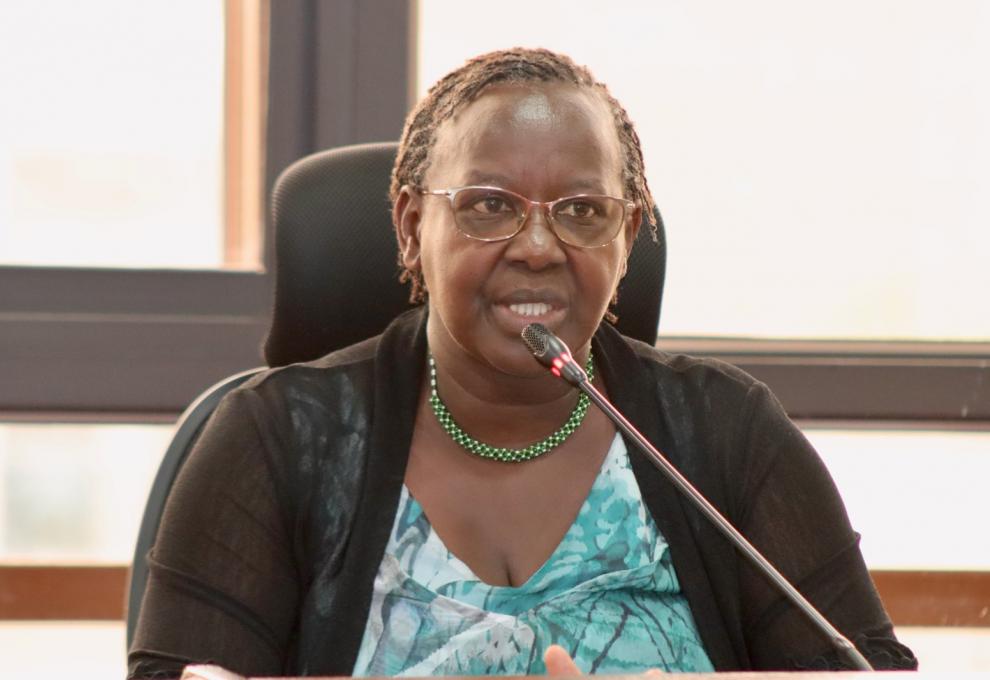
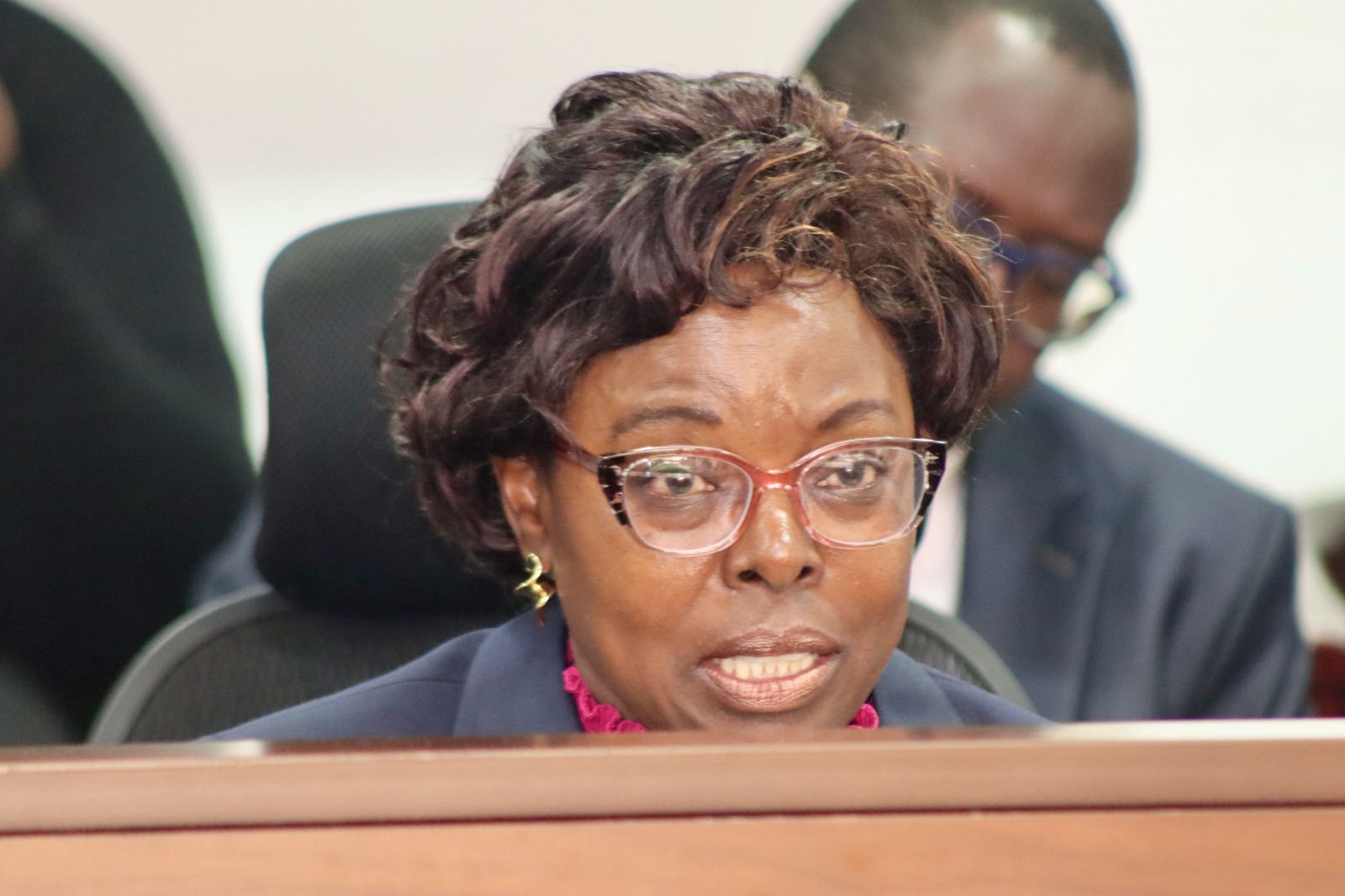
Appearing before the Committee on July 28, 2026, to respond to Public Petition No. 10 of 2026, Controller of Budget Dr. Margaret Nyakang’o explained that although the petitioners' proposal is well-intentioned and aims to address the country's growing debt burden, Kenya's current financial position makes an immediate borrowing freeze impractical.
Dr. Nyakang’o observed that the country's high debt-servicing obligations have significantly constrained resources available for government operations and development, making continued borrowing necessary in the short term.
“We are at a point where we have already borrowed a lot. According to our latest report, we are at Kshs. 12.82 trillion in total borrowing. Of that figure, about 60 percent is domestic, and 40 percent is external. The impact is that up to 71 percent of the revenues we collect goes to loan repayment. So when that happens, it leaves us with 29 percent to cover the rest of the expenditure we would like to do, and that involves both recurrent and development. So, if you look at the kind of budget that we prepare, and you look at, say, 30 percent of that money, you will find that we surely cannot survive within that 30 percent," explained Dr. Nyakang’o.
She noted that although suspending borrowing is not immediately possible, the country should instead focus on gradually reducing its dependence on debt through prudent fiscal management.
"The impact of that is that we must keep borrowing in order to stay afloat. What we can perhaps work on is reducing our spending so that, gradually, we reduce the amounts we must borrow to stay afloat. This concept you may have heard of is called fiscal consolidation. It involves a mix of increasing our revenues and reducing our spending, so that the gap we have can get smaller over time,” she added.
The Committee also sought clarification on the Controller of Budget's recommendation that the government adopt the Commonwealth Meridian System to automate public debt management and settlement.
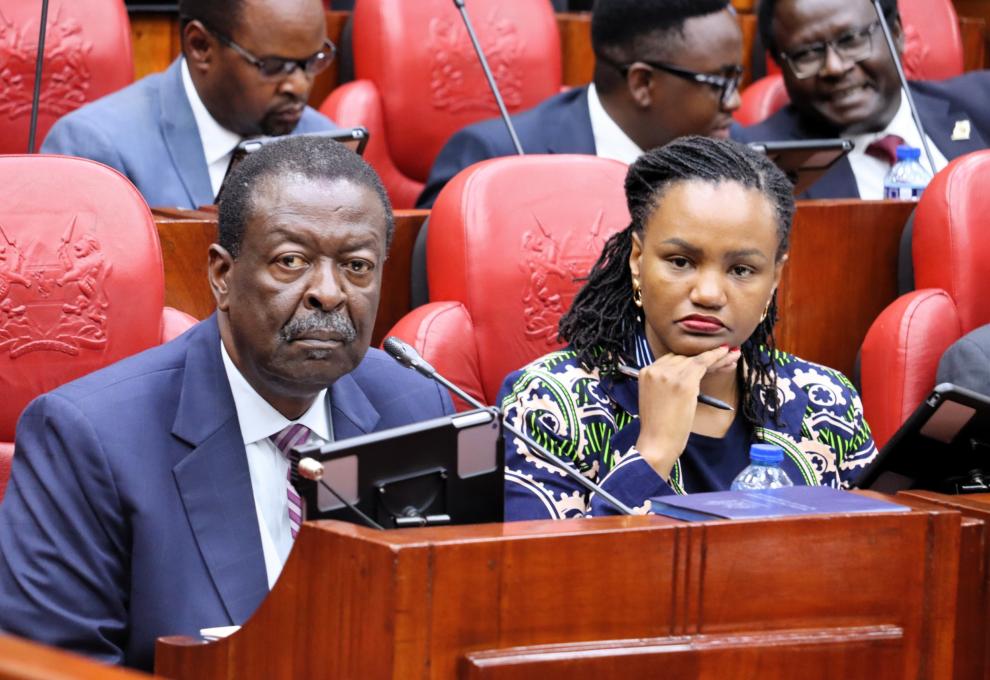
Committee Chairperson Hon. Muchangi Karemba (Runyenjes) questioned the reliability of government information systems, citing previous challenges encountered during the implementation of digital platforms.
“You seem to have a lot of confidence in this system, yet systems in this country have not had a very good history. Where are you drawing the confidence to trust this Commonwealth Meridian System? Where has it worked?” asked Hon. Karemba.
In response, Dr. Nyakang’o explained that the Commonwealth Meridian System has been successfully implemented in several Commonwealth countries and provides a comprehensive framework for recording, monitoring, and managing public debt. She also noted that she had received training on the system and expressed confidence in its effectiveness and its ability to enhance transparency, efficiency, and accuracy in public debt management.
Members of the Committee also underscored the need to simplify and broaden the dissemination of public debt and audit reports to improve public understanding and encourage greater citizen participation in public finance.
The legislators observed that although official reports are publicly available, they often remain inaccessible to many Kenyans because of their technical nature and the communication channels used. They emphasized the need to present this information in simplified formats and to leverage social media platforms to reach a wider audience, particularly young people, who the petitioners noted are more active on digital platforms than on traditional media or government websites.