 What's on
 Things to Do
 Plan your Visit
 Media Rules and Filming
𝐊𝐏𝐀 𝐃𝐄𝐓𝐀𝐈𝐋𝐒 𝐌𝐓 𝐏𝐀𝐋𝐎𝐌𝐀 𝐃𝐎𝐂𝐊𝐈𝐍𝐆 𝐀𝐒 𝐒𝐄𝐍𝐀𝐓𝐄 𝐄𝐍𝐄𝐑𝐆𝐘 𝐂𝐎𝐌𝐌𝐈𝐓𝐓𝐄𝐄 𝐏𝐑𝐎𝐁𝐄 𝐒𝐇𝐈𝐅𝐓𝐒 𝐓𝐎 𝐅𝐔𝐄𝐋 𝐐𝐔𝐀𝐋𝐈𝐓𝐘


The Kenya Ports Authority (KPA) has provided fresh details on the handling of petroleum imports at the Port of Mombasa, including a precise account of the docking and discharge of MT Paloma, as the Senate widens its probe to include fuel quality concerns.
The Authority revealed that MT Paloma arrived at the outer port limits on March 27, 2026, at 2:30 a.m., carrying 60,200.813 metric tonnes of Premium Motor Spirit (PMS), as declared in cargo manifest by Sturrock Shipping (Kenya) Limited.
“The pilot boarded the vessel at 1750 hours upon lodgment of the manifest, and the vessel was brought alongside KOT II at berth No. 1 at 2042 hours,” Capt. Ruto stated in the letter to the Senate Committee.
KPA clarified that once vessels are berthed, cargo discharge operations fall under the Kenya Pipeline Company (KPC), distancing itself from downstream handling of petroleum products.
“Upon berthing of tanker vessels at KOT II, cargo discharge and all associated operations are undertaken by KPC. Accordingly, after berthing of vessels, KPA is not privy to all subsequent operations or actions that may be taken by the relevant Government Agencies,” the Authority explained, noting that the same procedure applied to MT Paloma.
The Authority confirmed that discharge of MT Paloma was completed on March 30, 2026, at 12:12 p.m., after which all port charges were settled before the vessel departed at 7:20 p.m.
However, as the Committee reviewed the data, senators raised sharp concerns over the quality and regulation of petroleum products entering the country.
Sen. Veronica Maina warned, “We should stop substandard products from passing through the Kenya Pipeline system.”
She further questioned, “What system does Kenya Pipeline have to detect substandard products in the system?” and challenged policy decisions, asking, “Why should a Minister of Trade waive standards of petroleum products?”
“Kenya Pipeline Company should uphold standards of petroleum products used in Kenya,” she added.
Sen. Kisang also sought clarity on future supply trends, asking, “How many cargos are we expecting in the next 14 days as compared to last year such a time?”
In response, a General Manager of KPA, Moses Taiwu assured the Committee, “We have sufficient oil cargo ships docking in Mombasa in the next 14 days so we don’t have to face fuel shortages.”
Sen. Mungatana, meanwhile, proposed stricter verification mechanisms, asking, “Instead of relying on manifest, can we establish an efficient laboratory to look at the quality of the petroleum products in the country?”
The new concerns come as KPA maintains that port operations remain efficient and uncongested, with a total of 19 tanker vessels handled between March 1 and April 12, 2026, carrying PMS, Automotive Gas Oil (AGO), and Jet A-1.
Among the vessels processed were MT Tortuga, MT Wisteria, MT Lyric Magnolia, MT Lunaria, and MT Constantinos, with shipments ranging from tens of thousands to over 100,000 metric tonnes.
“The quantities declared comprise both local and transit cargo,” Mr. Taiwu noted.
KPA attributed the efficiency to the Kipevu Oil Terminal II (KOT II), commissioned in August 2022, which features three berths capable of handling multiple vessels simultaneously.
“This addressed delays and resultant demurrage costs previously attributed to the Authority. Tanker vessels now berth on arrival subject to fulfilling prerequisites set by other government agencies,” he said.
The Authority reiterated that it does not manage petroleum supply, licensing, or quality control, noting that such responsibilities fall under other government agencies.
“Management of petroleum cargo supply, licensing and quality checks, as well as the country’s stock management, is not within the mandate of the Authority,” General Manager Eng. Taiwu said.
He further dismissed concerns about congestion at the port, stating: “Currently, there is no congestion attributed to tanker vessels at the Port.”
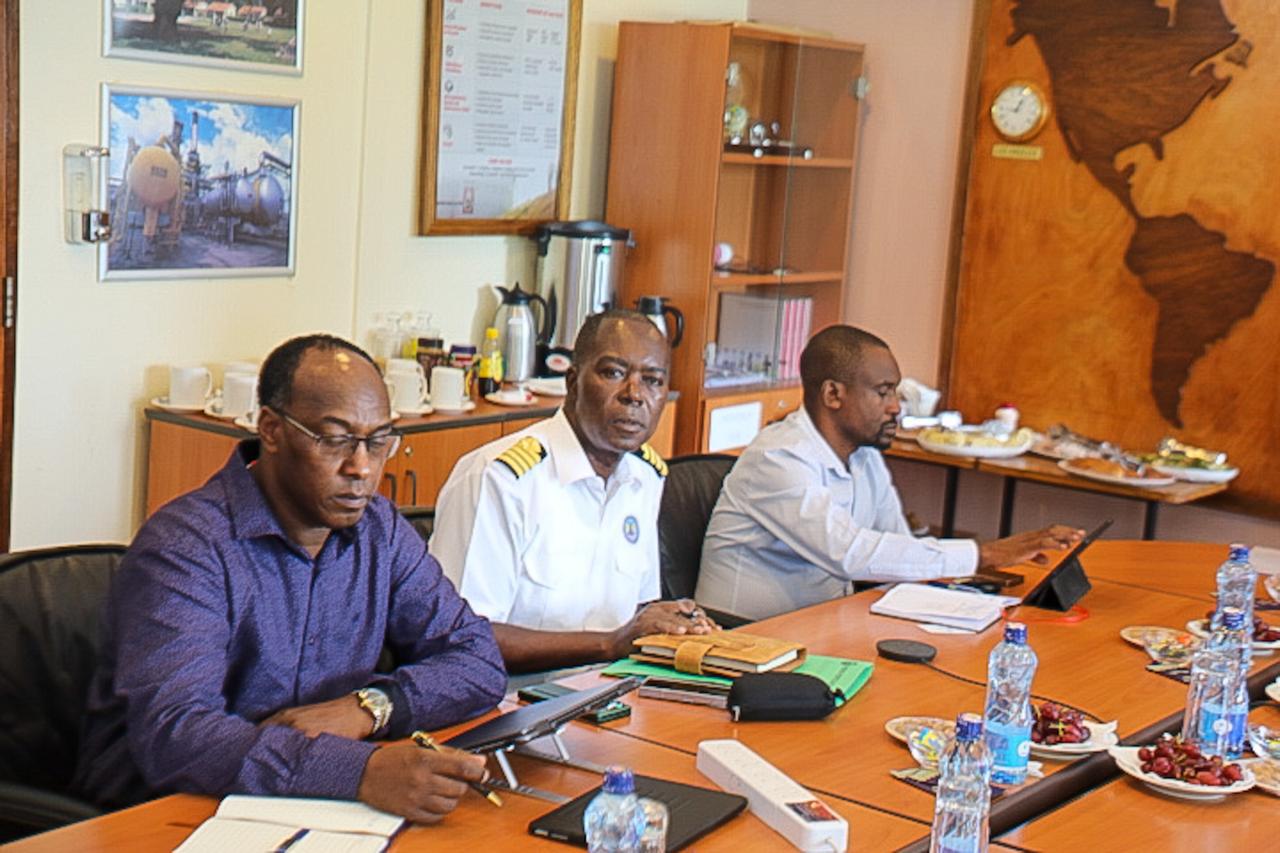
As Senate Energy Committee oversight visit continues, KPA has welcomed lawmakers to inspect its facilities, including KOT II, Shimanzi Oil Terminal, and Mbaraki Wharf.
The probe is now shifting beyond logistics and capacity, with lawmakers increasingly focusing on fuel quality assurance and regulatory oversight in Kenya’s petroleum supply chain.