 What's on
 Things to Do
 Plan your Visit
 Media Rules and Filming
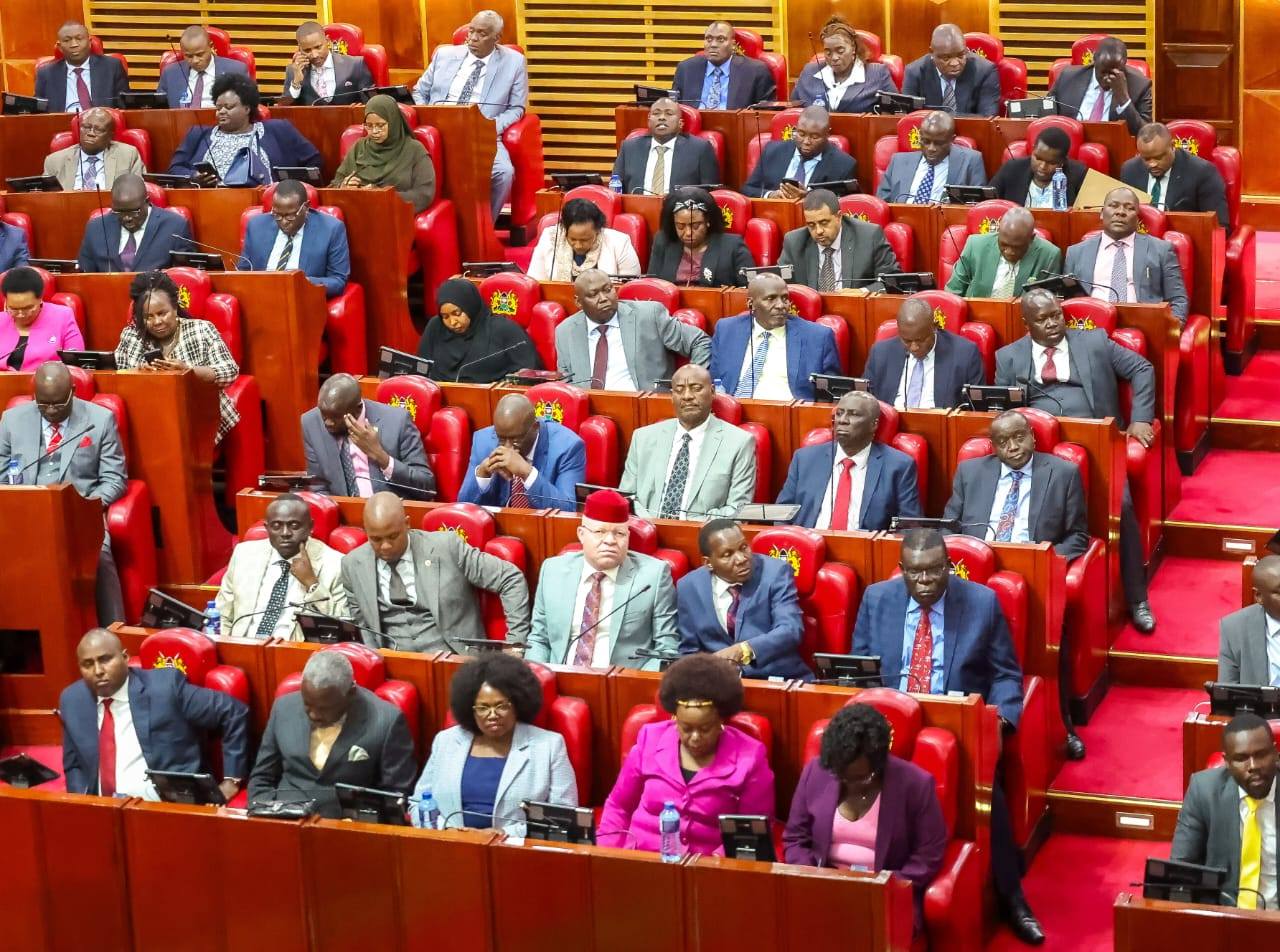
𝐋𝐀𝐖𝐌𝐀𝐊𝐄𝐑𝐒 𝐑𝐎𝐎𝐓 𝐅𝐎𝐑 𝐅𝐀𝐈𝐑𝐍𝐄𝐒𝐒 𝐀𝐍𝐃 𝐌𝐎𝐓𝐈𝐕𝐀𝐓𝐈𝐎𝐍 𝐈𝐍 𝐓𝐄𝐀𝐂𝐇𝐈𝐍𝐆 𝐒𝐄𝐑𝐕𝐈𝐂𝐄 𝐀𝐒 𝐇𝐎𝐔𝐒𝐄 𝐃𝐄𝐁𝐀𝐓𝐄𝐒 𝐓𝐒𝐂 𝐀𝐌𝐄𝐍𝐃𝐌𝐄𝐍𝐓 𝐁𝐈𝐋𝐋, 𝟐𝟎𝟐𝟒


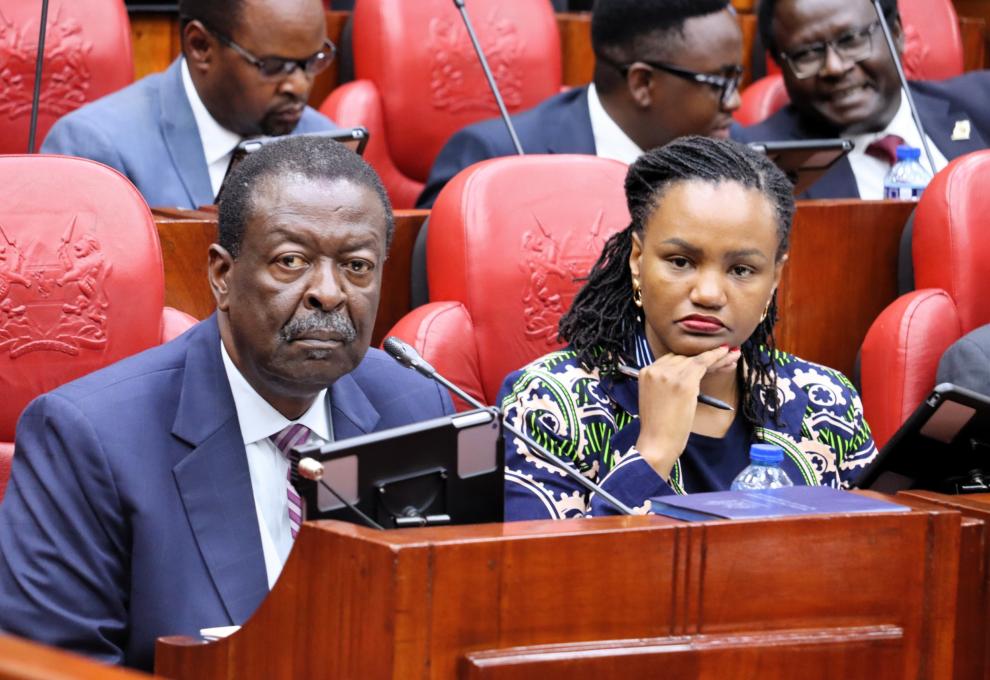
Members of the National Assembly have rallied behind the Teachers Service Commission (Amendment) Bill, 2024, sponsored by Hon. Abdul Haro that seeks to dignify the teaching profession and safeguard teachers from exploitation in acting positions.
The Bill, which seeks to amend the Teachers Service Commission Act No. 20 of 2012, proposes to formalize various allowances payable to teachers and introduce structured guidelines on acting appointments within the Commission.
In moving the Bill for Second Reading, Hon. Abdul Haro (Mandera South) pointed out the amendments will entrench fairness, predictability, and certainty in the management of allowances in the teaching profession. He added that prolonged acting appointments without remuneration had become a demoralizing trend within the sector.
“We have teachers who act as deputy head teachers or principals for years without being confirmed or compensated. This Bill seeks to formalize and entrench fairness in acting appointments so that teachers serving in such capacities are duly recognized and remunerated,” said Hon. Haro.
The proposed law outlines allowances payable to teachers, including house, commuter, hardship, special duty, responsibility, special school, reader’s facilitation, leave, and transfer allowances. Notably, it restricts acting appointments to a period between one and six months, after which the position must be substantively filled.
Seconding the Bill, Hon. Dorothy Ikara (Nominated) lauded the initiative, describing it as a shield for teachers against administrative injustices.
“Teachers have endured anxiety and frustration when serving in acting capacities for years without confirmation. This Bill introduces fairness and structure, ensuring no teacher is left in limbo. Acting teachers must be paid acting allowances, this should not be left to the discretion of the Commission,” she emphasized.
Hon. Ikara added that the Bill aligns with constitutional values under Article 41 on fair labour practices and Article 237, which establishes the Teachers Service Commission.
“Teachers are not asking for favours; they are asking for fairness. Supporting this Bill means supporting the very foundation of our education system and the future of our children,” she stated.
Contributing to the debate, Hon. Joshua Makilap (Baringo North) said the amendments will restore dignity and authority to administrators in acting positions, who often lead schools without enjoying the privileges or respect that come with substantive appointments.
“When a teacher is appointed to act but receives no allowance or recognition, it erodes their authority and morale. This Bill seeks to dignify the teaching profession by ensuring that acting administrators enjoy the privileges that come with their responsibilities,” Hon. Makilap noted.
He also welcomed the proposal to introduce a Reader’s Facilitation Allowance for teachers with disabilities.
“A head teacher who is visually impaired or physically challenged deserves support to discharge their duties effectively. By providing an allowance for aides, this Bill promotes inclusivity and humanity within our education system,” he said.
Members also commended the Bill for promoting transparency through mandatory consultation between the Teachers Service Commission and the Salaries and Remuneration Commission (SRC) on remuneration structures.
Debate on the Teachers Service Commission (Amendment) Bill, 2024 is expected to continue next week.