 What's on
 Things to Do
 Plan your Visit
 Media Rules and Filming

𝐌𝐏𝐒 𝐏𝐑𝐄𝐒𝐒 𝐈𝐄𝐁𝐂 𝐀𝐍𝐃 𝐑𝐄𝐆𝐈𝐒𝐓𝐑𝐀𝐑 𝐎𝐍 𝐄𝐋𝐄𝐂𝐓𝐈𝐎𝐍 𝐏𝐑𝐄𝐏𝐀𝐑𝐄𝐃𝐍𝐄𝐒𝐒, 𝐅𝐔𝐍𝐃𝐈𝐍𝐆 𝐆𝐀𝐏𝐒 𝐀𝐍𝐃 𝐂𝐀𝐌𝐏𝐀𝐈𝐆𝐍 𝐅𝐈𝐍𝐀𝐍𝐂𝐈𝐍𝐆 𝐋𝐀𝐖


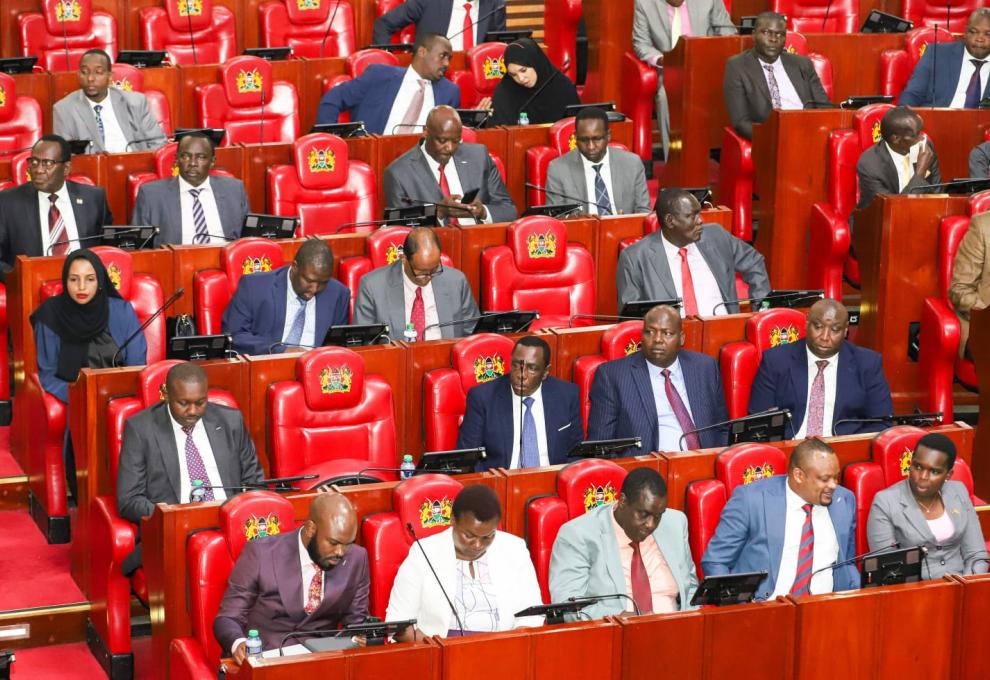
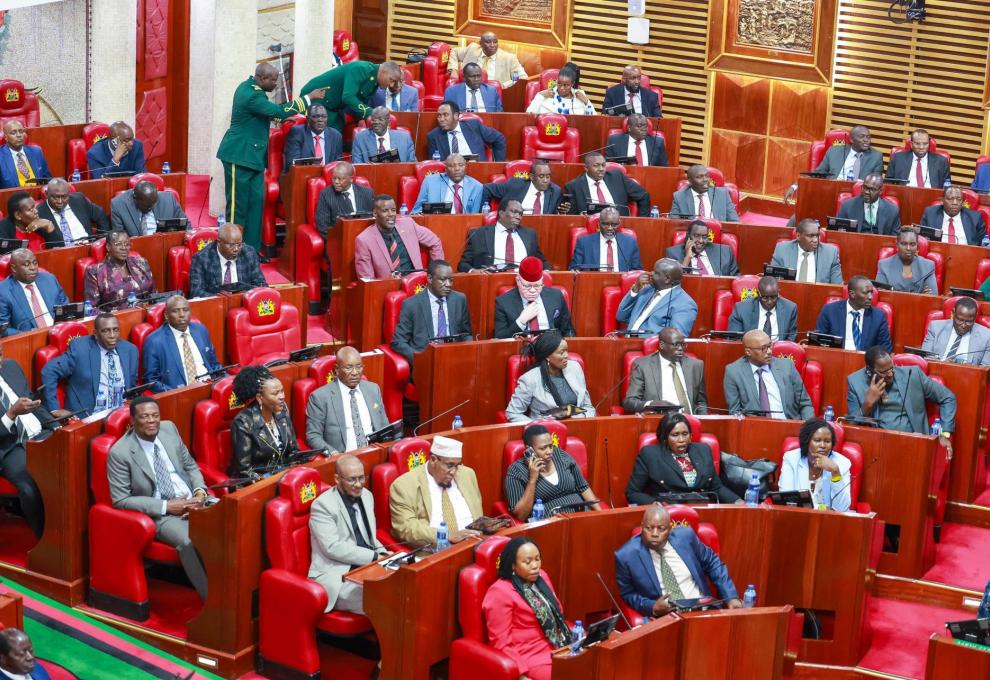
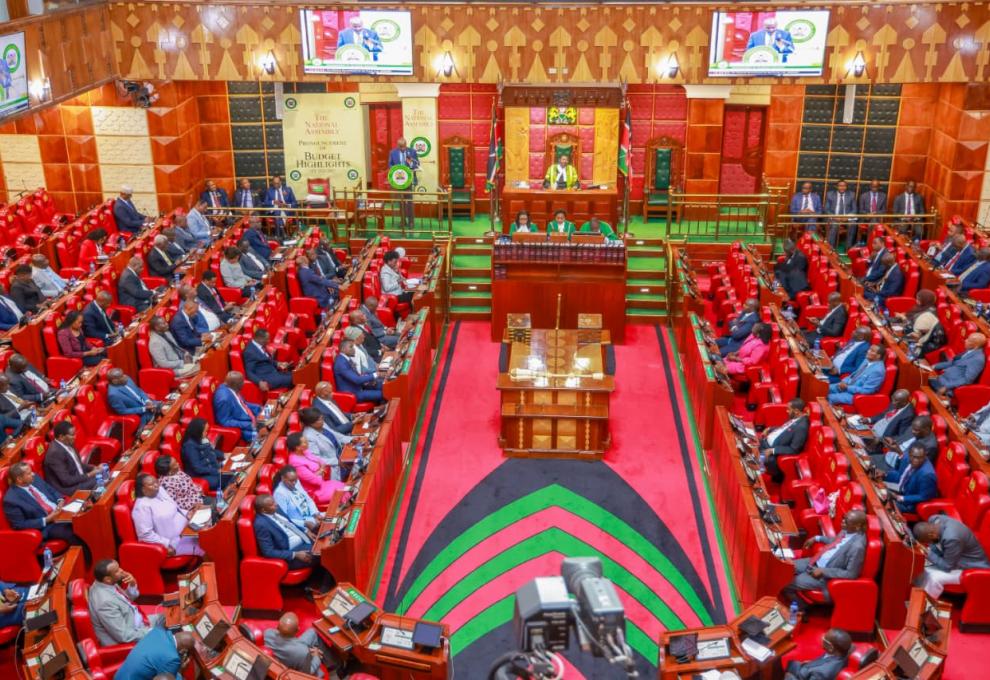
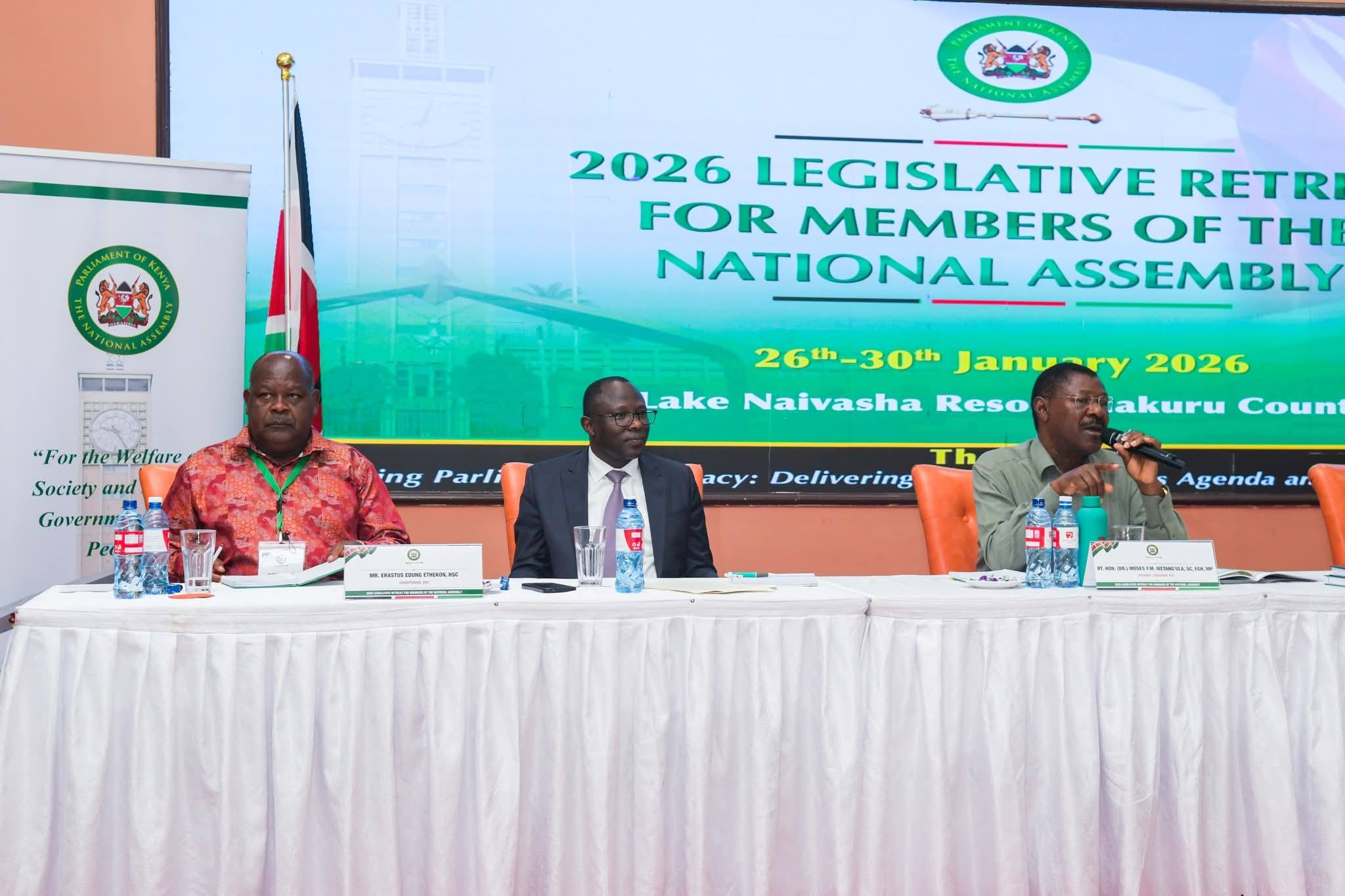
Members of the National Assembly have pressed the Independent Electoral and Boundaries Commission (IEBC) and the Office of the Registrar of Political Parties (ORPP) on their readiness for the 2027 General Election, citing concerns over funding, voter registration, campaign financing, and party compliance with legal requirements.
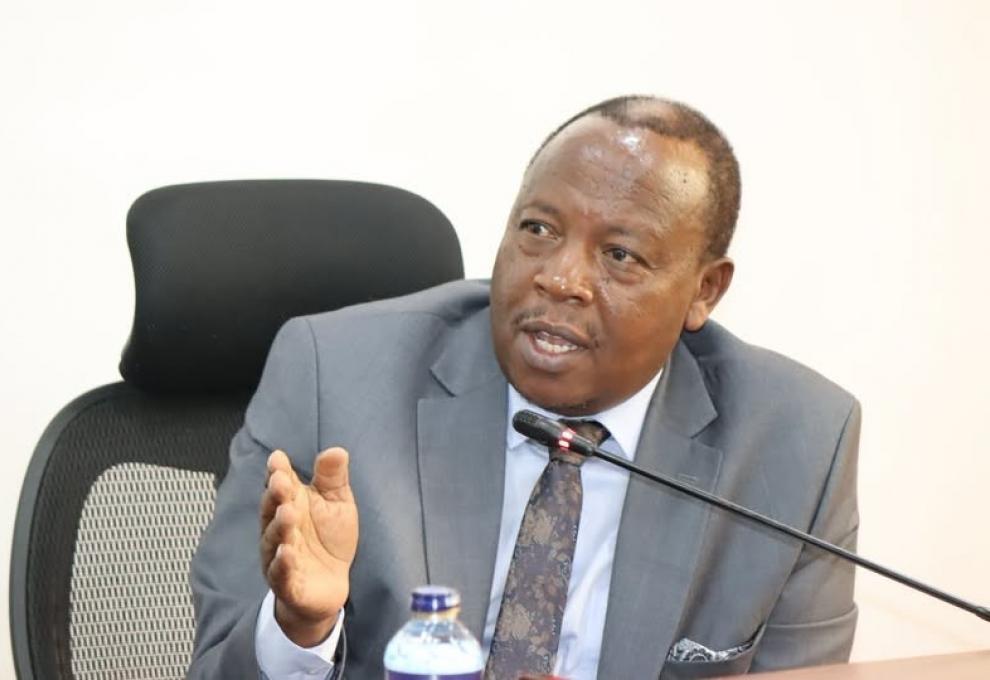
Appearing before lawmakers during the 2026 Legislative Retreat in Naivasha, IEBC Chairperson Mr. Erastus Edung Ethekon said the Commission had proposed a KES 63 billion budget for the full electoral cycle but was still grappling with unpaid legal fees of KES 3.8 billion, which had stalled engagement of external counsel.
“The credibility of the process will depend on institutional readiness, transparency, and timely resourcing,” Mr. Ethekon told lawmakers, adding that boundary delimitation would not take place before the 2027 polls.
He said the review would be conducted after the elections using validated population data. “Our preparations are deliberate and evidence-based. Credibility will depend on readiness, coordination, and sustained public confidence,” he said.
Legislators questioned the Commission on voter registration irregularities, potential fraud, and electoral violence. Hon. Mishi Mboko raised concern over low voter registration in coastal counties, calling for targeted outreach in marginalized regions.
Hon. Yusuf Hassan and Hon. Peter Kaluma cited incidents of violence in past elections and urged the IEBC to adopt preventive mechanisms.
Mr. Ethekon said the Commission was tightening coordination with security agencies and refining technology systems to curb fraud.
The IEBC Chair also renewed calls for Parliament to enact a comprehensive Election Campaign Financing Law, warning that the current legal vacuum exposed elections to “unchecked spending, illicit funds, and foreign interference.”
“Without statutory clarity, campaigns continue in an environment where wealthy interests can exert outsized influence without scrutiny,” he said.
He urged lawmakers to adopt the reforms at least 12 months before the polls, noting that the 2013 Election Campaign Financing Act remained unimplemented due to lack of regulations. The IEBC’s proposals include a ban on foreign donations, stricter spending caps, and direct accountability for candidates and parties.
On party governance, Registrar of Political Parties, Mr. John Cox Lorionokou said only 47 out of 90 registered political parties currently qualify for public funding, following the deregistration of Ukweli Party and Vibrant Democratic Party earlier this month.
“As we approach the next General Election, compliance will not be optional. Parties must align fully with the law if they expect to participate meaningfully,” ORPP warned.
He said the ORPP had requested KES 118.8 million to upgrade the Integrated Political Parties Management System to clean membership rolls ahead of nominations.
The ORPP reminded lawmakers that only parties with at least one elected representative from the 2022 polls qualify for funding and that those with more than two-thirds of officials from one gender would be disqualified.
Speaker Moses Wetang’ula assured the agencies of National Assembly’s support through oversight, legislation, and resource allocation, saying credible elections were a matter of national interest.
“Where gaps exist, we must act decisively. Parliament will ensure the legal framework supports credible and peaceful elections,” the Speaker said.
The retreat, themed “Securing Parliamentary Legacy: Delivering the Fifth Session’s Agenda and Preparing for Transition,” also discussed data protection, privacy, and cybersecurity to ensure Kenya’s laws keep pace with technological advancement ahead of the Fifth Session of the 13th Parliament.