 What's on
 Things to Do
 Plan your Visit
 Media Rules and Filming
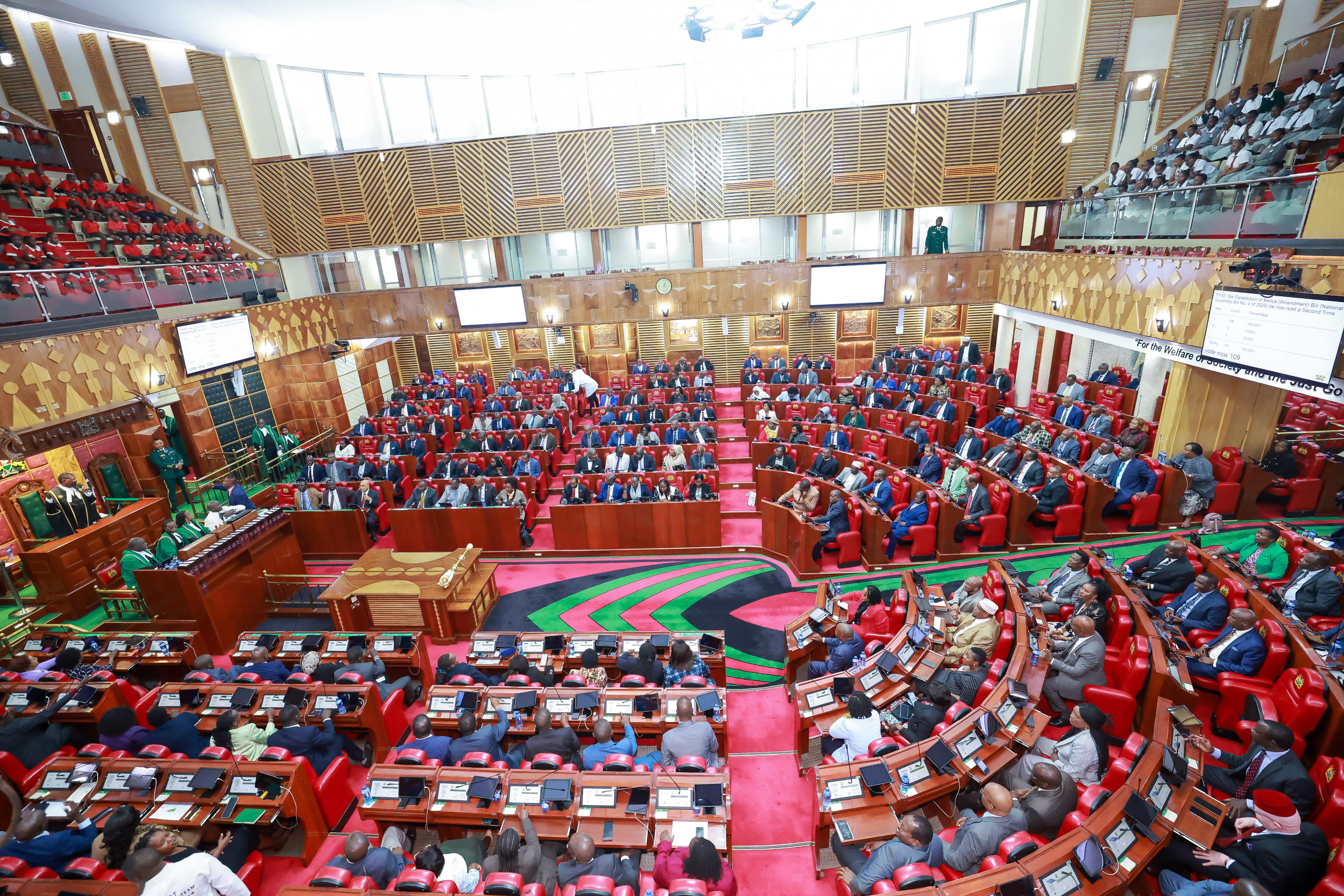
𝐋𝐄𝐆𝐈𝐒𝐋𝐀𝐓𝐎𝐑𝐒 𝐑𝐀𝐋𝐋𝐘 𝐁𝐄𝐇𝐈𝐍𝐃 𝐁𝐈𝐋𝐋 𝐒𝐄𝐄𝐊𝐈𝐍𝐆 𝐓𝐎 𝐑𝐄𝐂𝐎𝐆𝐍𝐈𝐙𝐄 𝐈𝐍𝐅𝐎𝐑𝐌𝐀𝐋 𝐒𝐂𝐇𝐎𝐎𝐋𝐒







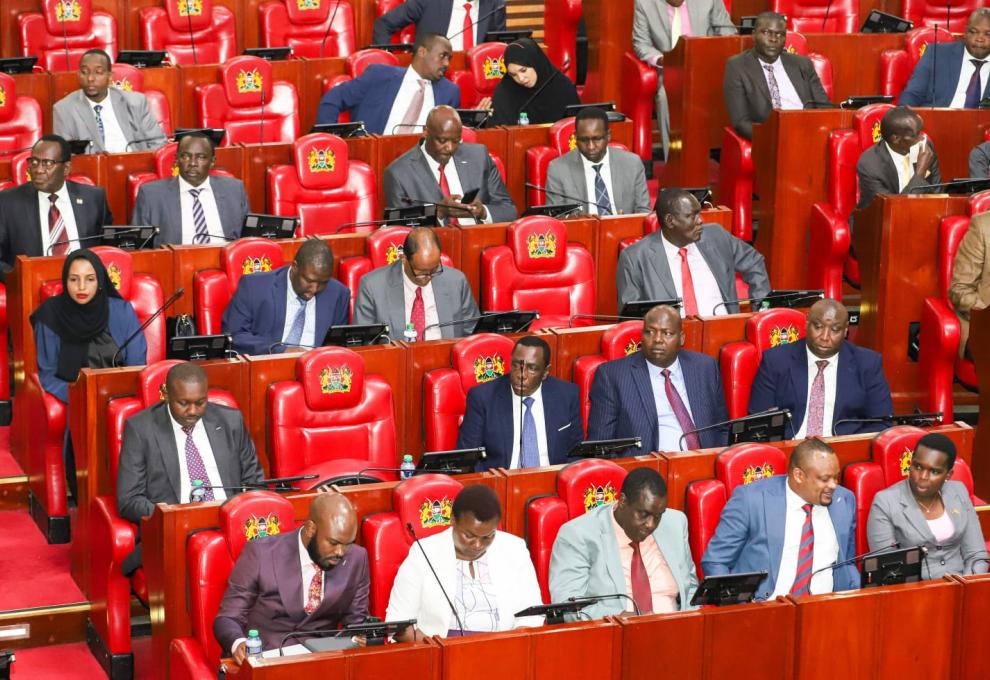
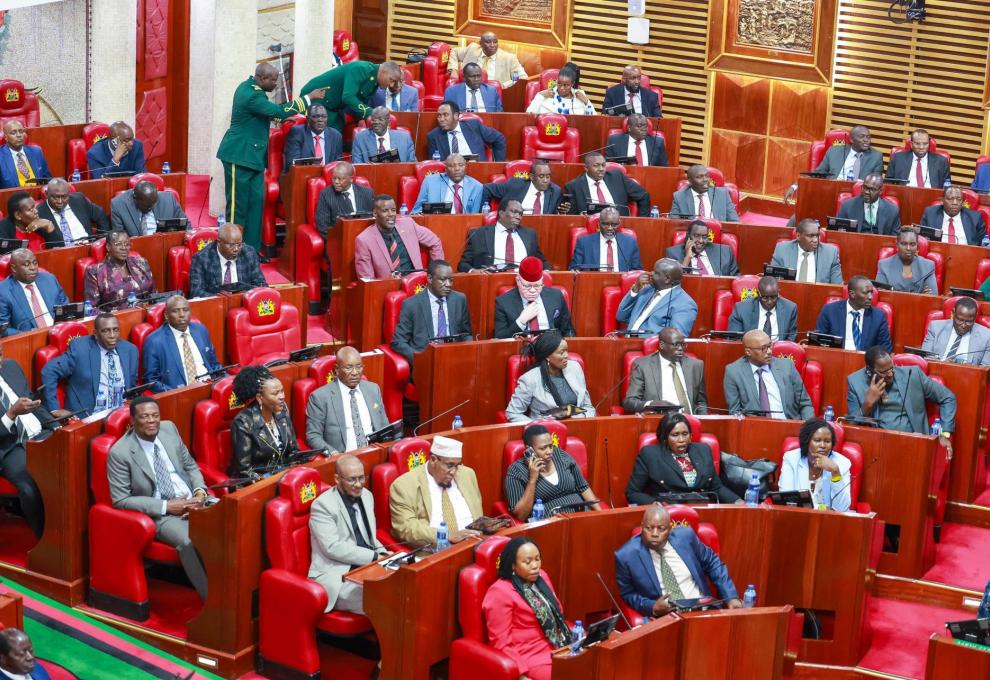
Members of the National Assembly have begun debate on the Basic Education (Amendment) Bill, 2025, a proposed law seeking to formally recognise Alternative Provision for Basic Education and Training (APBET) institutions and align the education framework with constitutional guarantees.
The Bill, sponsored by Mathare MP Hon. Anthony Oluoch aims to amend the Basic Education Act, 2013 to anchor non-formal learning institutions within Kenya’s formal education system, particularly targeting learners in informal settlements and marginalised areas.
Moving the Bill for Second Reading, Hon. Oluoch said the proposed amendments seek to align the law with key constitutional provisions, including Articles 10, 27, 43 and 53, which guarantee equality, human dignity and the right to education.
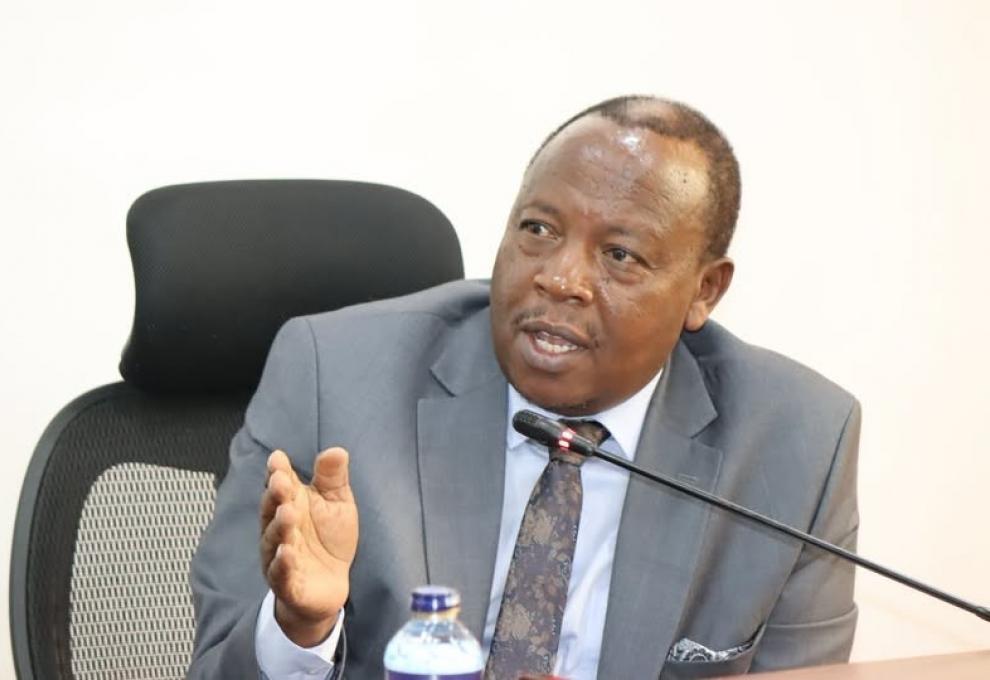
Contributing to the debate, Ruaraka MP Hon. Peter Orero underscored the scale of the challenge, citing disparities in access to education. “If you look at the National Schools Census results of 2024, Ruaraka has the highest density of schools offering APBET. The census reports about 1.2 million learners, but there are actually more than 3 million learners in schools,” he said.
Kibra MP, Hon. Peter Orero noted that in informal settlements such as Kibra, APBET institutions significantly outnumber public schools. “There are about 300 of these schools, while public primary schools are only 11. Many students therefore end up in APBET schools,” he added, urging lawmakers to pass the Bill to ensure equitable access to education.
Lawmakers supporting the Bill argued that it presents an opportunity to extend state support to vulnerable learners. “This is an opportunity to ensure that children in informal settlements can access education and that resources trickle down to them through recognition of their schools,” said Hon. Millie Odhiambo.
Seme MP, Hon. Dr. James Nyikal warned that exclusion of APBET schools from funding frameworks undermines the right to education. “Education is a basic right in our Constitution, yet the current system does not adequately recognise APBET. In some areas, there are more children in these schools than in formal institutions, yet they are excluded from funding,” he said.
Hon. Nyikal further cautioned against policy fragmentation in the education sector, pointing to overlapping reforms including the Competency-Based Education curriculum, 100 per cent transition policy and university funding changes.
However, some legislators raised concerns over the Bill’s definitions and potential fiscal implications. Funyula MP, Hon. Wilberforce Oundo questioned whether APBET institutions are public or private entities. “It would be a misuse of public resources for the Government to provide infrastructure to private institutions. The definition must be clear to avoid abuse,” he argued.
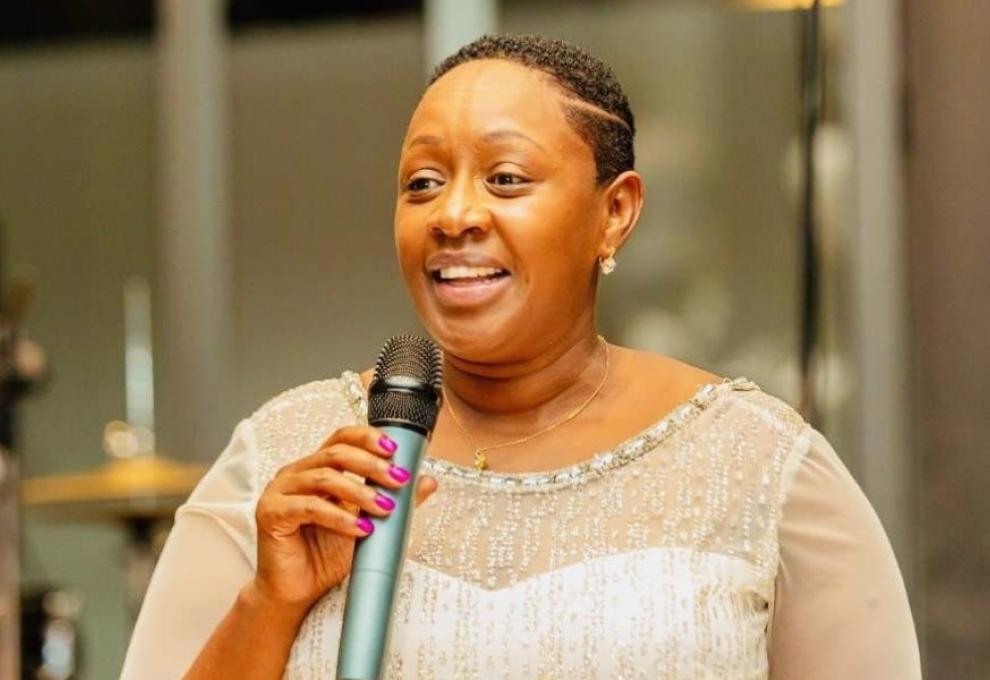
Nominated MP, Hon. Suzanne Kiamba supported the Bill, terming it long overdue. “It is unfortunate that it has taken this long to recognise vulnerable children in informal settlements and rural areas who lack access to education,” she said.
The Bill proposes a raft of amendments, including incorporation of APBET institutions into the definition of basic education, representation in national and county education boards, and provision of funding for infrastructure and learning materials. It also introduces flexibility in registration requirements and mandates counties to maintain a database of such institutions.
If enacted, the law will operationalise existing policy frameworks and regulations on non-formal education, effectively mainstreaming APBET institutions into the education system.