 What's on
 Things to Do
 Plan your Visit
 Media Rules and Filming
𝐋𝐀𝐖𝐌𝐀𝐊𝐄𝐑𝐒 𝐏𝐔𝐒𝐇 𝐅𝐎𝐑 𝐓𝐎𝐔𝐆𝐇𝐄𝐑 𝐀𝐂𝐓𝐈𝐎𝐍 𝐎𝐍 𝐑𝐈𝐕𝐄𝐑 𝐀𝐓𝐇𝐈 𝐏𝐎𝐋𝐋𝐔𝐓𝐈𝐎𝐍, 𝐂𝐀𝐋𝐋 𝐅𝐎𝐑 𝐄𝐍𝐕𝐈𝐑𝐎𝐍𝐌𝐄𝐍𝐓𝐀𝐋 𝐁𝐎𝐍𝐃 𝐀𝐍𝐃 𝐂𝐋𝐄𝐀𝐍-𝐔𝐏 𝐅𝐔𝐍𝐃𝐈𝐍𝐆






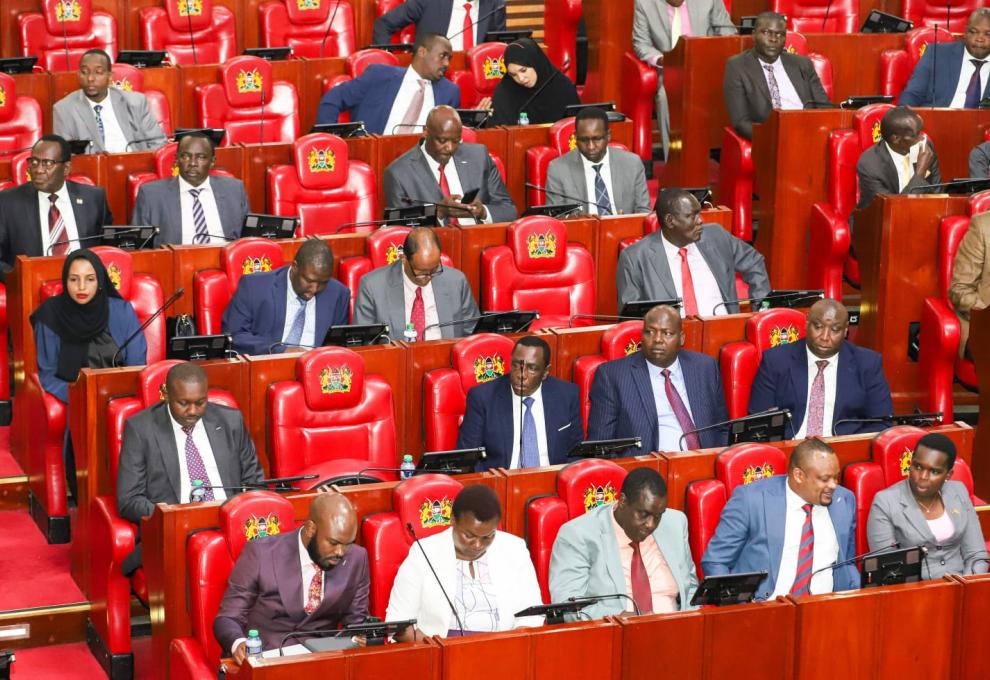
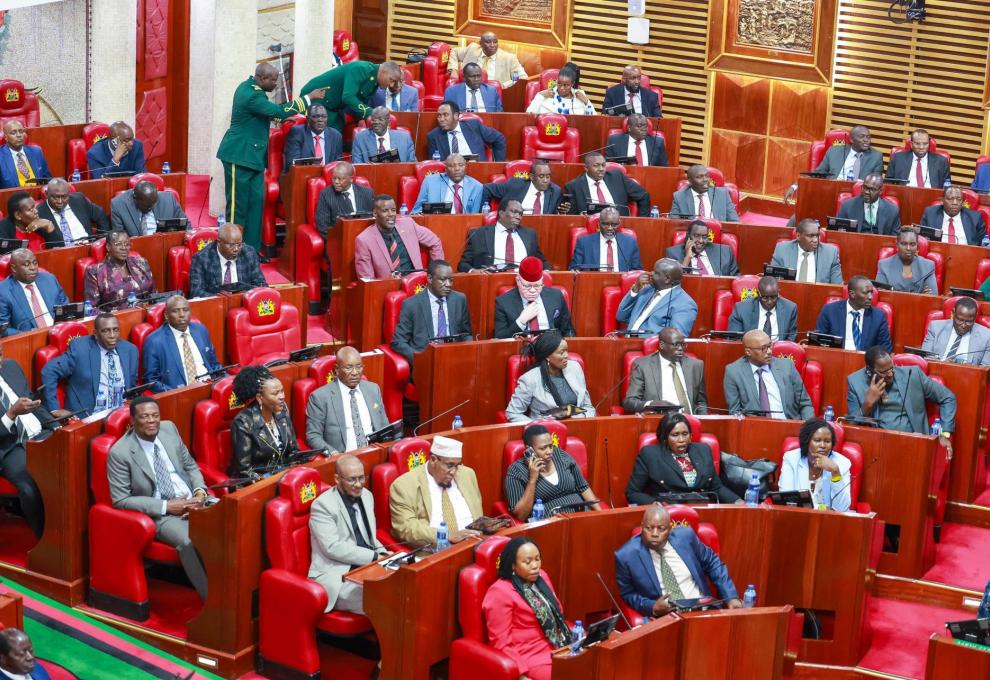
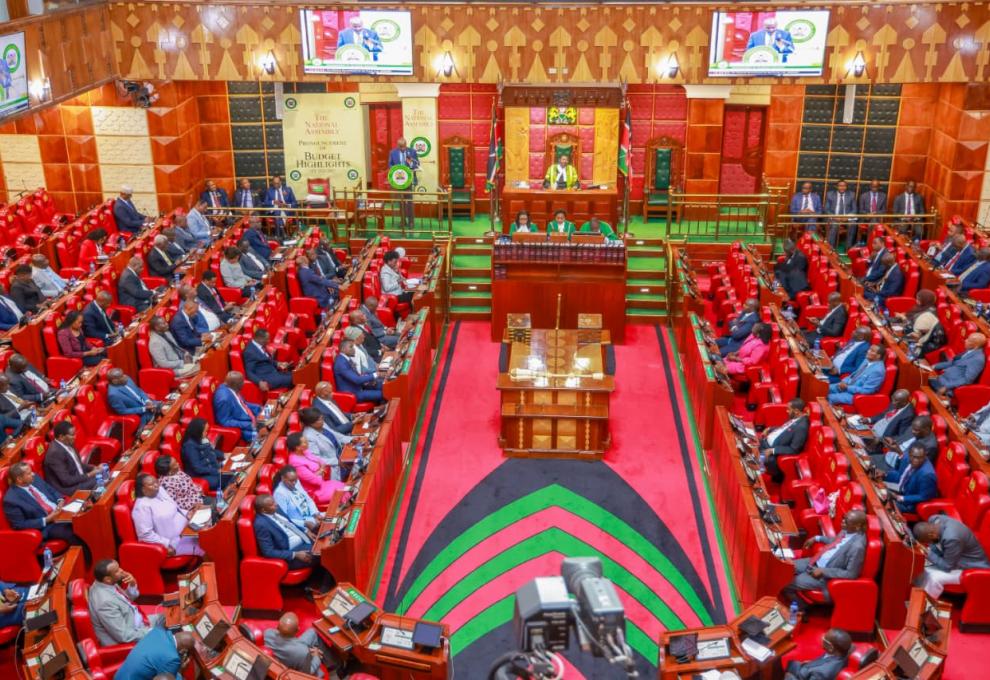
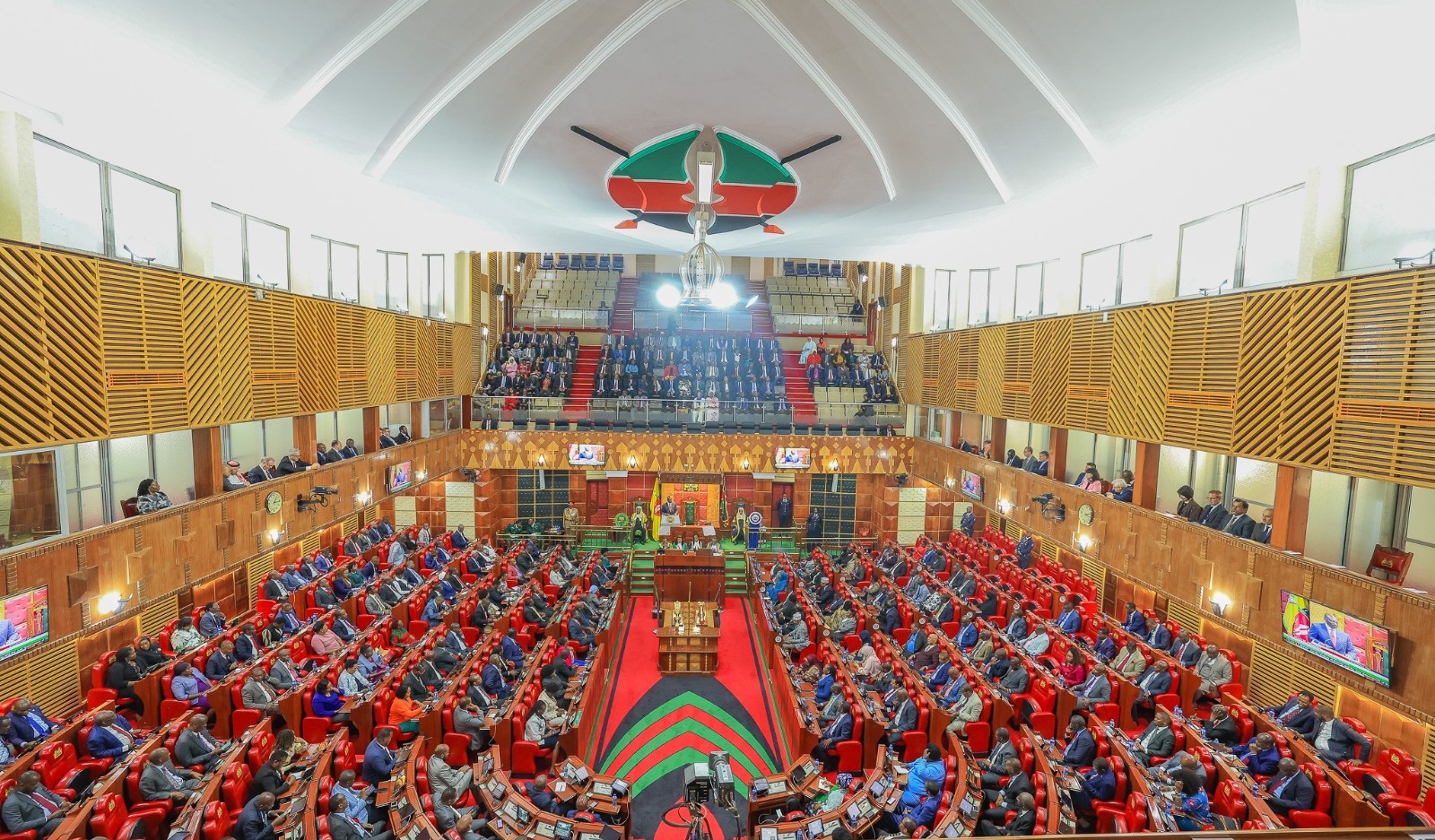
The National Assembly on Tuesday, February 17, 2026 discussed the deteriorating state of River Athi, as Members debated the Public Petition No. 11 of 2022 seeking urgent intervention over industrial and domestic pollution choking the lifeline of thousands of Kenyans.
In a Report by the Public Petitions Committee, the Committee recommended a raft of far-reaching measures to hold polluters accountable and restore the river’s ecosystem, citing years of neglect, weak enforcement, and coordination lapses among state agencies.
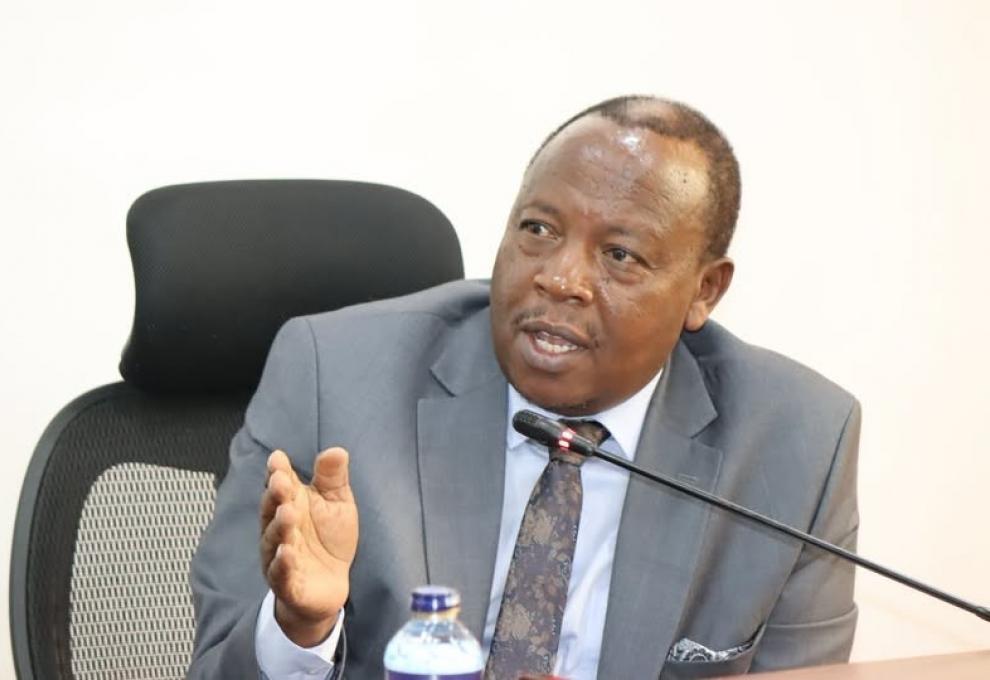
“The team shall submit quarterly compliance reports to the National Assembly and to the Ministry of Water, Sanitation and Irrigation,” said the Public Petitions Committee Chair, Hon. Karemba Muchangi. “Water works development agencies shall construct modern effluent treatment plants and expand sewer networks to ensure all waste is treated before disposal.”
Seconding the motion, Hon. Beatrice Elachi decried the failure of regulators, saying the National Environment Management Authority (NEMA) and county agencies had not done enough. “Enforcement actions on industries along the Athi River Basin remain unsatisfactory. We still need stronger action against polluters who continue to endanger lives,” she said.
The Committee’s report called for a multi-agency clean-up, recommending that within 60 days, the Government Chemist and Water Resources Authority (WRA) conduct fresh water sampling and issue restoration orders to polluting firms. NEMA is expected to take remedial measures — including revoking licenses for non-compliant industries within six months.
Legislators further backed the introduction of an Environmental Bond regulation that will compel industries to deposit funds in a restoration kitty before operations begin. “Polluters must pay for their mess,” said Hon. George Murugara adding that the principle should apply retroactively to long-standing violators.
The report also urged the National Treasury, Ministry of Environment, and County Government of Machakos to set up a framework for compensation and ecological restoration. “Communities in Mala and other affected areas have suffered irreversible harm. Treasury must allocate funds for the River Athi Restoration Programme in the next financial year,” the report noted.
Lawmakers lamented the rising pollution of Kenya’s rivers, warning that up to 90 percent of Kenyans rely on contaminated water sources. “Unless we protect our rivers, we cannot guarantee the constitutional right to clean water and a healthy environment. In Malindi our rivers are completely polluted, this has really affected the community that relays heavily on tourism” Hon. Owen Baya observed, citing Article 43 of the Constitution.
Members of Parliament called for a community-led river clean-up drive, strict enforcement of solid waste regulations, and the demarcation of riparian land for recreational and conservation use.
“The laws exist. The polluters are known. The tragedy is the lack of enforcement,” pointed out Hon. Robert Mbui.