
 What's on
 Things to Do
 Plan your Visit
 Media Rules and Filming
𝐍𝐀𝐓𝐈𝐎𝐍𝐀𝐋 𝐀𝐒𝐒𝐄𝐌𝐁𝐋𝐘 𝐏𝐀𝐒𝐒𝐄𝐒 𝐋𝐀𝐍𝐃𝐌𝐀𝐑𝐊 𝐅𝐎𝐑𝐄𝐒𝐓 𝐁𝐈𝐋𝐋 𝐓𝐎 𝐒𝐓𝐑𝐄𝐍𝐆𝐓𝐇𝐄𝐍 𝐂𝐎𝐍𝐒𝐄𝐑𝐕𝐀𝐓𝐈𝐎𝐍, 𝐂𝐎𝐌𝐌𝐔𝐍𝐈𝐓𝐘 𝐑𝐈𝐆𝐇𝐓𝐒


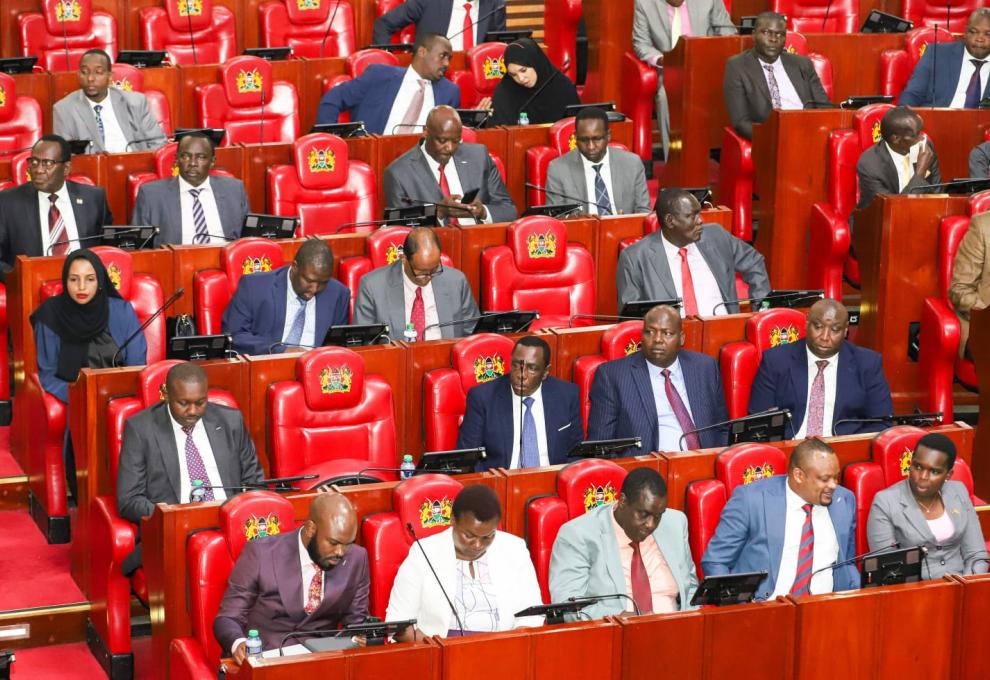
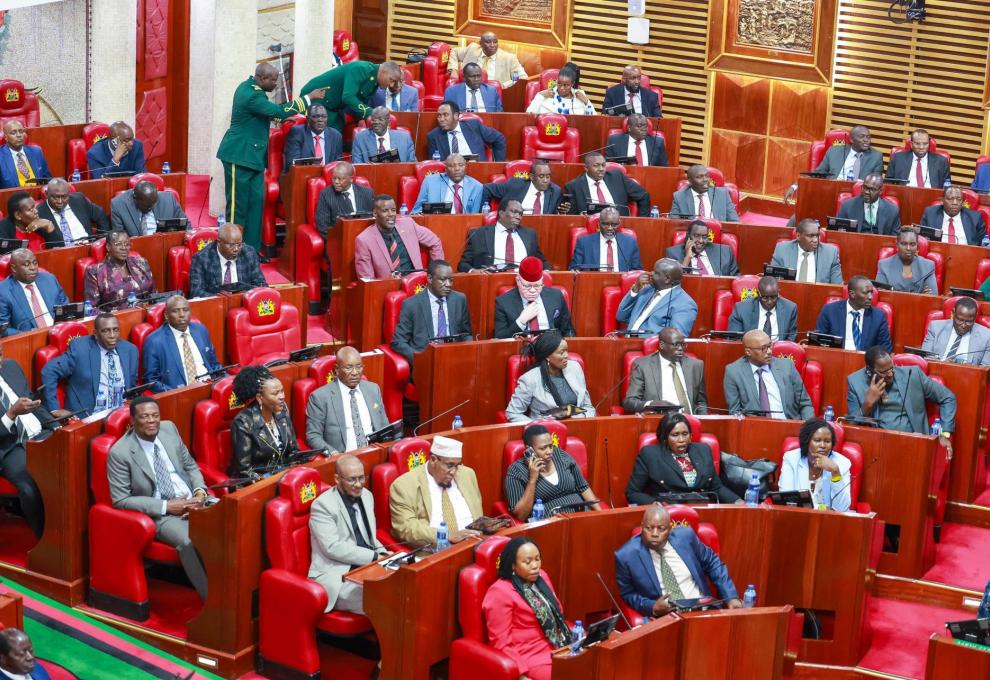
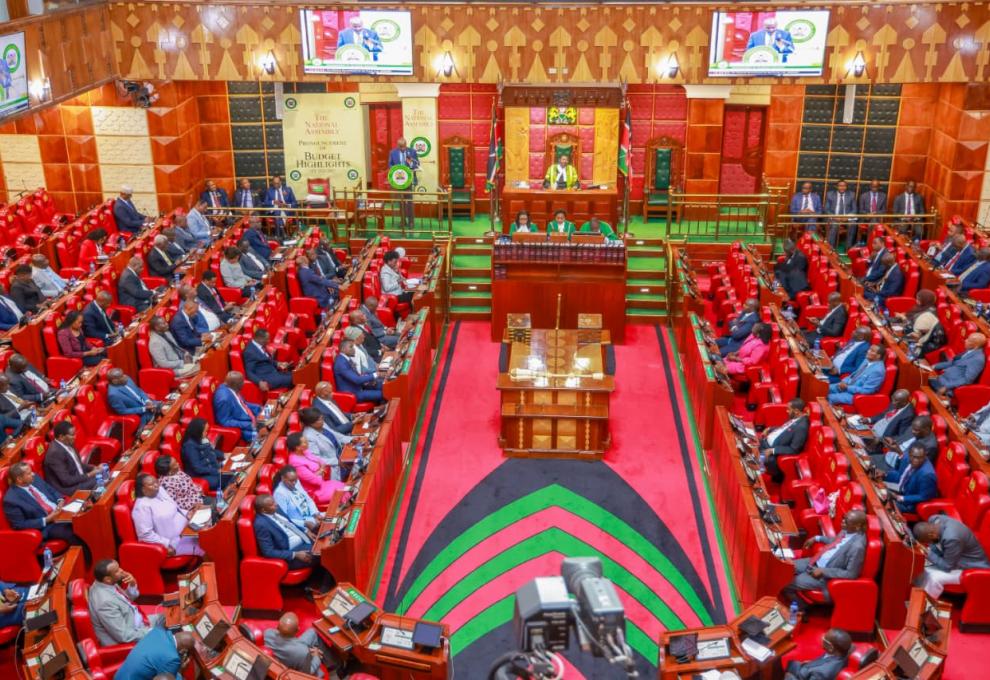
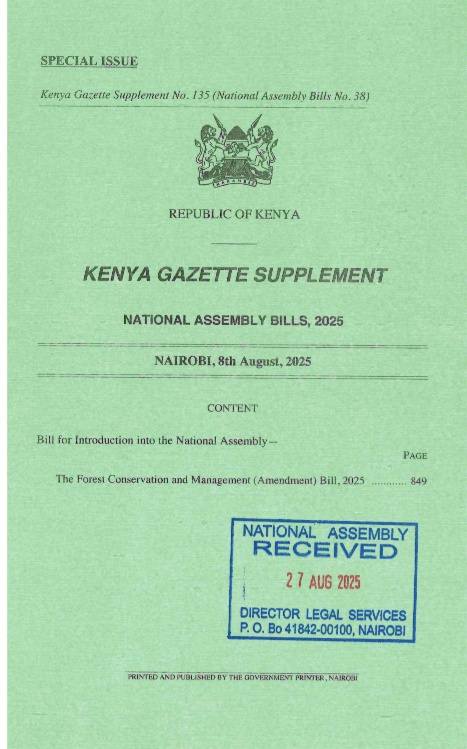
The National Assembly has passed the Forest Conservation and Management (Amendment) Bill (National Assembly Bill No. 38 of 2025).
The Bill introduces a robust and forward-looking legal framework aimed at enhancing sustainable forest management, strengthening regulatory oversight, and promoting community participation in conservation efforts.
Legislators underscored that the amendments are designed to respond to emerging realities in forestry, including climate change, biodiversity loss, and the need for accountable governance structures.
The Bill establishes of the Directorate of Forest Regulation, to be headed by a competitively recruited Secretary of Forest Regulation. The office will serve as the central regulatory authority, mandated to develop national standards, oversee compliance, and coordinate enforcement across the forestry sector.
Members of Parliament noted that the creation of this office will professionalize forest governance and seal regulatory gaps that have historically undermined conservation efforts. “This framework enhances transparency and accountability by ensuring that all actors in the forestry sector operate under clear standards and oversight,” Chair Environment, Forestry and Mining Committee, Hon. Vincent Musyoka observed during debate.
To strengthen grassroots participation, the amendments provide for representation of community forest associations in forest governance structures. This is expected to empower local communities and safeguard their rights and livelihoods, particularly in areas dependent on forest resources.
Further, the legislation mandates the establishment of a National Safeguards Information System to monitor and report on environmental and social standards in forest-related activities. Lawmakers emphasized that this mechanism will ensure that conservation initiatives uphold biodiversity protection while respecting community interests.
To enhance professionalism and standards in the sector, the Bill introduces stricter qualification requirements for key positions and formalizes the regulation of forestry professionals, including timber graders and certification experts. The Secretary of Forest Regulation will also be empowered to issue compliance notices, conduct inspections, and recommend enforcement actions, including license revocations.
The amendments also integrate security oversight by providing that provisions of the Independent Policing and Oversight Authority Act apply to uniformed officers under the forestry framework, addressing concerns around enforcement conduct.
Additionally, the Bill reinforces Kenya’s commitment to achieving and maintaining at least 10 percent tree cover, while promoting agroforestry, carbon management systems, and benefit-sharing mechanisms tied to climate initiatives such as REDD+.
The Cabinet Secretary is further mandated to spearhead national tree-growing programmes and coordinate participation in international forest events, positioning Kenya as an active player in global environmental governance.
The Bill is expected to proceed to the Senate for consideration.