 What's on
 Things to Do
 Plan your Visit
 Media Rules and Filming
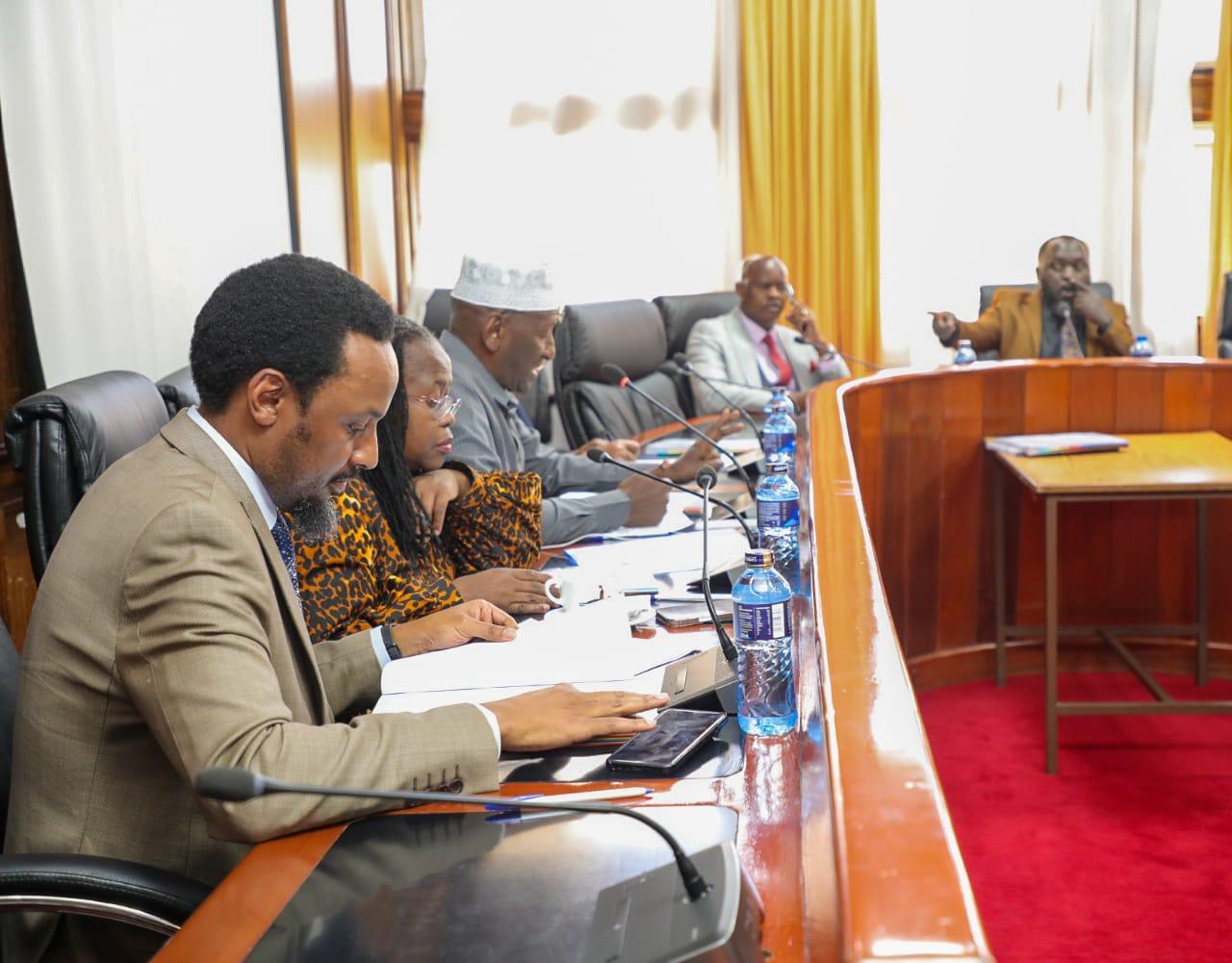
𝐆𝐎𝐕𝐄𝐑𝐍𝐎𝐑 𝐌𝐎𝐇𝐀𝐌𝐔𝐃 𝐎𝐅 𝐌𝐀𝐑𝐒𝐀𝐁𝐈𝐓 𝐃𝐄𝐅𝐄𝐍𝐃𝐒 𝐂𝐎𝐔𝐍𝐓𝐘𝐒 𝐇𝐀𝐍𝐃𝐋𝐈𝐍𝐆 𝐎𝐅 𝐃𝐑𝐎𝐔𝐆𝐇𝐓 𝐑𝐄𝐒𝐈𝐋𝐈𝐄𝐍𝐂𝐄 𝐏𝐑𝐎𝐉𝐄𝐂𝐓 𝐁𝐄𝐅𝐎𝐑𝐄 𝐒𝐄𝐍𝐀𝐓𝐄 𝐂𝐎𝐌𝐌𝐈𝐓𝐓𝐄𝐄.


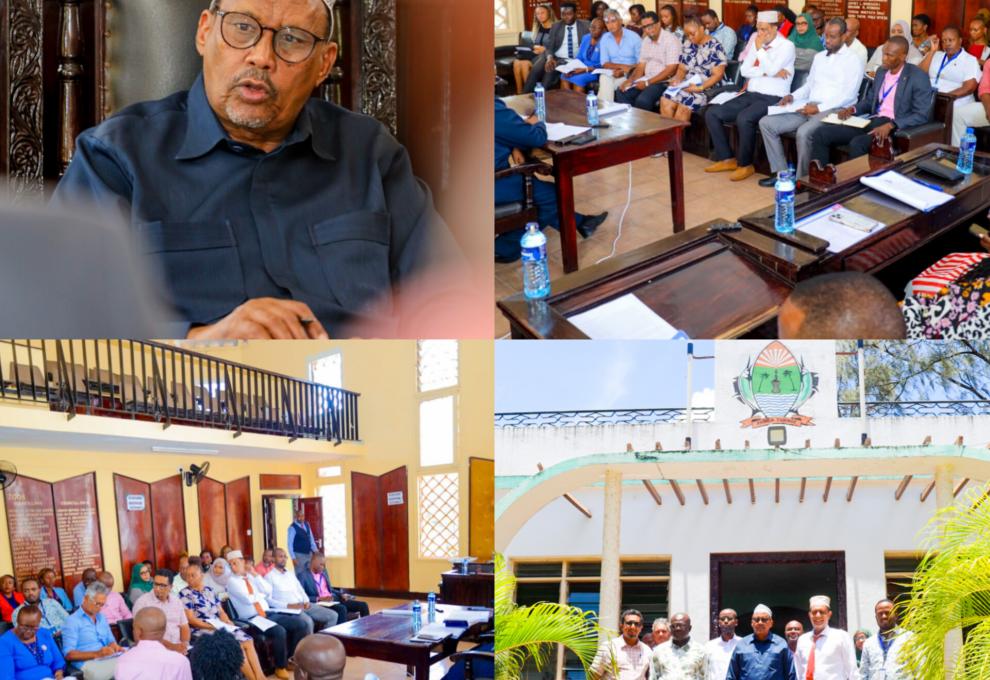
The Senate Standing Committee on Agriculture, Livestock and Fisheries Chaired by Sen David Wakoli(Bungoma) today pressed the Governor of Marsabit County for answers over the management, funding and progress of the Drought Resilience Programme in Northern Kenya (DRPNK), as lawmakers sought clarity on stalled projects, delayed disbursements and the overall impact of the multiyear initiative on food security in the region.
Through a detailed submission by County Project Coordinator Mr Patrick Wambua Nthenge, the Governor outlined financial records, project implementation status, beneficiary identification methods and compliance with donor conditions.
The briefing showed that from FY 2022 23 to FY 2024 25 the programme had received Ksh 195 million against a cumulative allocation of Ksh 1.19 billion, with actual expenditure recorded at Ksh 171.5 million.
The County attributed the gap between allocations and cash inflows to delays in donor disbursements, noting that such delays were partly linked to the late passage of the County Governments Additional Allocation Act.
The Committee heard that Marsabit has been aligning its agriculture budget with DRPNK priorities, layering county funded programmes such as livestock vaccination, mechanization services and certified seed distribution onto DRPNK clusters to reinforce resilience building efforts.
According to the submission, these initiatives have complemented rangeland rehabilitation, water infrastructure development, fodder systems and livestock health services funded under the programme, strengthening climate adaptive food systems across the county.
On project performance, the County reported that 45 projects were planned under Annual Investment Plans I and II, out of which 16 have been completed, 15 are ongoing and 14 are yet to begin due to delayed funding. Preparations for AIP III, intended for the 2026 27 financial year, are underway even as the Senate sought assurances that pending projects would be fast tracked once disbursements stabilise.
Governor Ali also detailed how communities across Moyale, Saku, North Horr, Laisamis and Loiyangalani clusters identified priority interventions through participatory approaches such as Community Action Development Planning. While the Committee had requested a disaggregated list of beneficiaries, the County explained that most DRPNK investments are broad public goods like water systems or rangeland rehabilitation designed to benefit entire communities, making individual listing impractical. However, targeted initiatives such as Karbururi Women Group with 44 members and Hellem Self Help Group with 61 members were presented with complete records maintained as required by donor regulations.
The County further defended its adherence to donor and legal requirements, confirming that it has consistently met the annual counterpart funding of Ksh 15 million, submitted all required work plans for donor approval, followed procurement procedures as guided by the PPDA Act and KfW rules and undergone audits conducted through the Office of the Auditor General. The Governor cited delays in onboarding the Implementation Support Consultant and the lengthy no objection procurement processes as key challenges that slowed project progress but assured the Senate that these bottlenecks were being addressed to accelerate implementation going forward.