
 What's on
 Things to Do
 Plan your Visit
 Media Rules and Filming
DEVOLUTION COMMITTEE CONDUCTS PUBLIC HEARING ON THE COUNTY GOVERNMENTS' LAWS







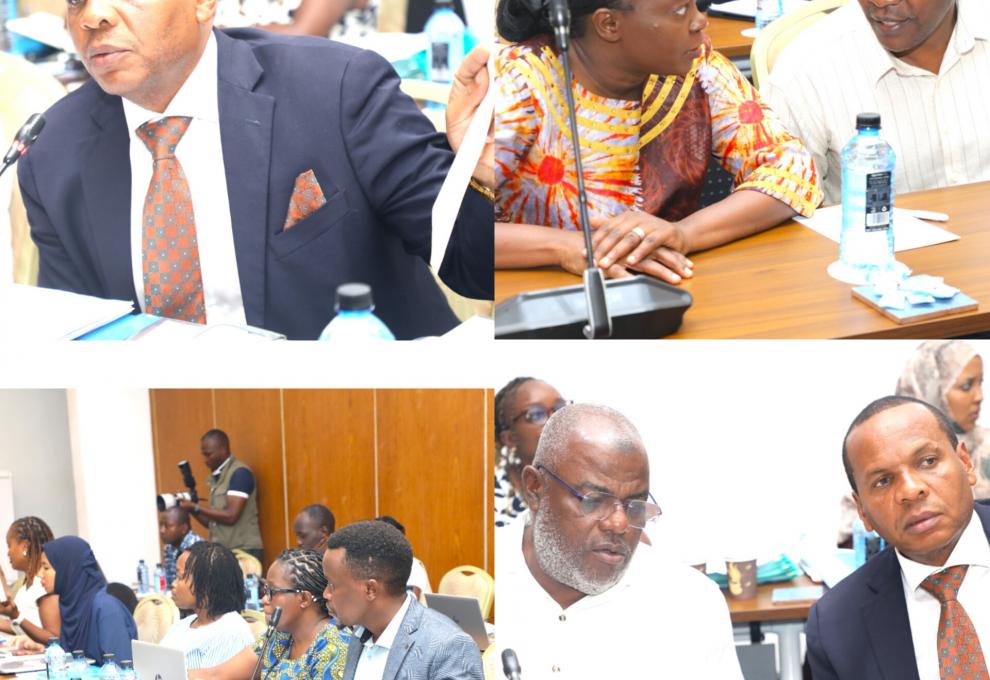
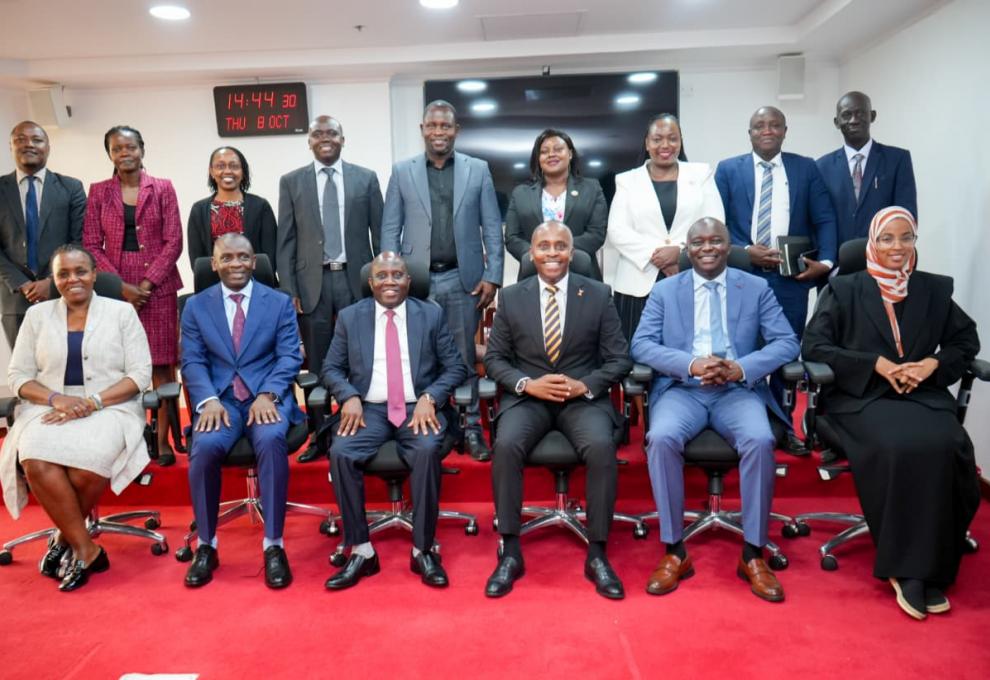
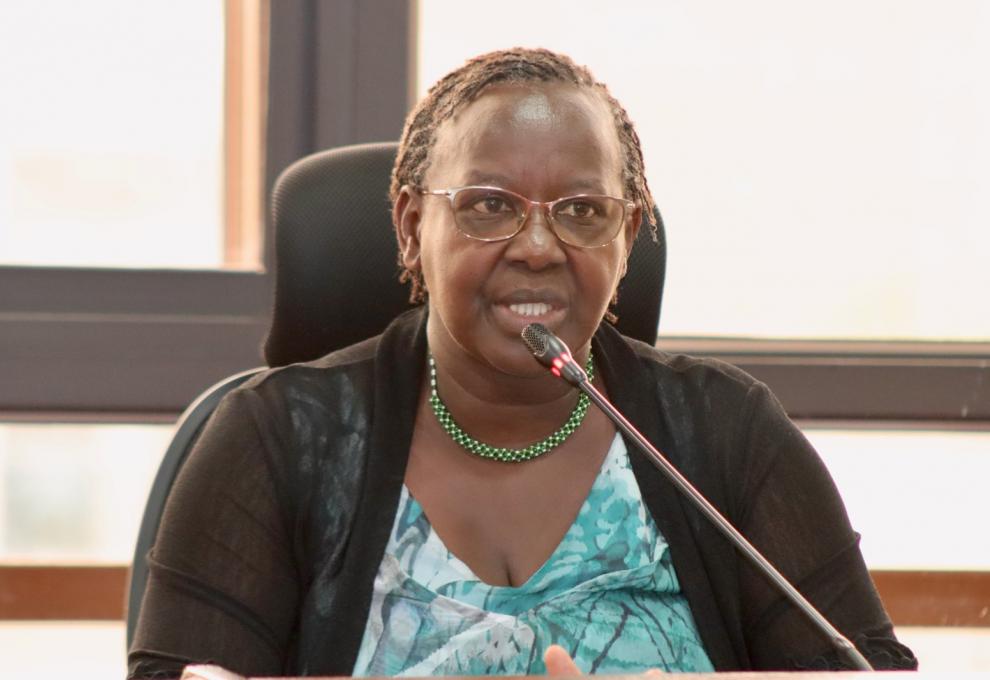
In a session marked by profound tension between executive efficiency and constitutional safeguards, the Senate Standing Committee on Devolution and Intergovernmental Relations held a public hearing today to deliberate on the County Government Laws (Amendment) Bill, 2025.
This legislative effort aims to overhaul the framework for county operations, specifically targeting the County Governments Act and the Public Appointments (County Assemblies) Approval Act, to eliminate the gridlock that often occurs when a new governor’s political mandate clashes with an inherited administrative structure.
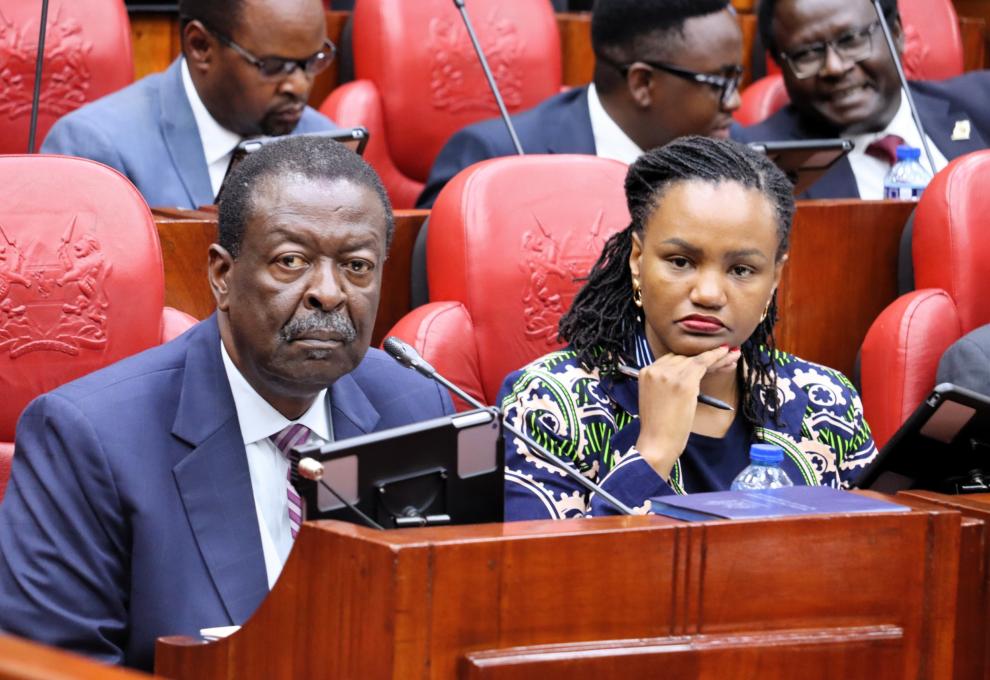
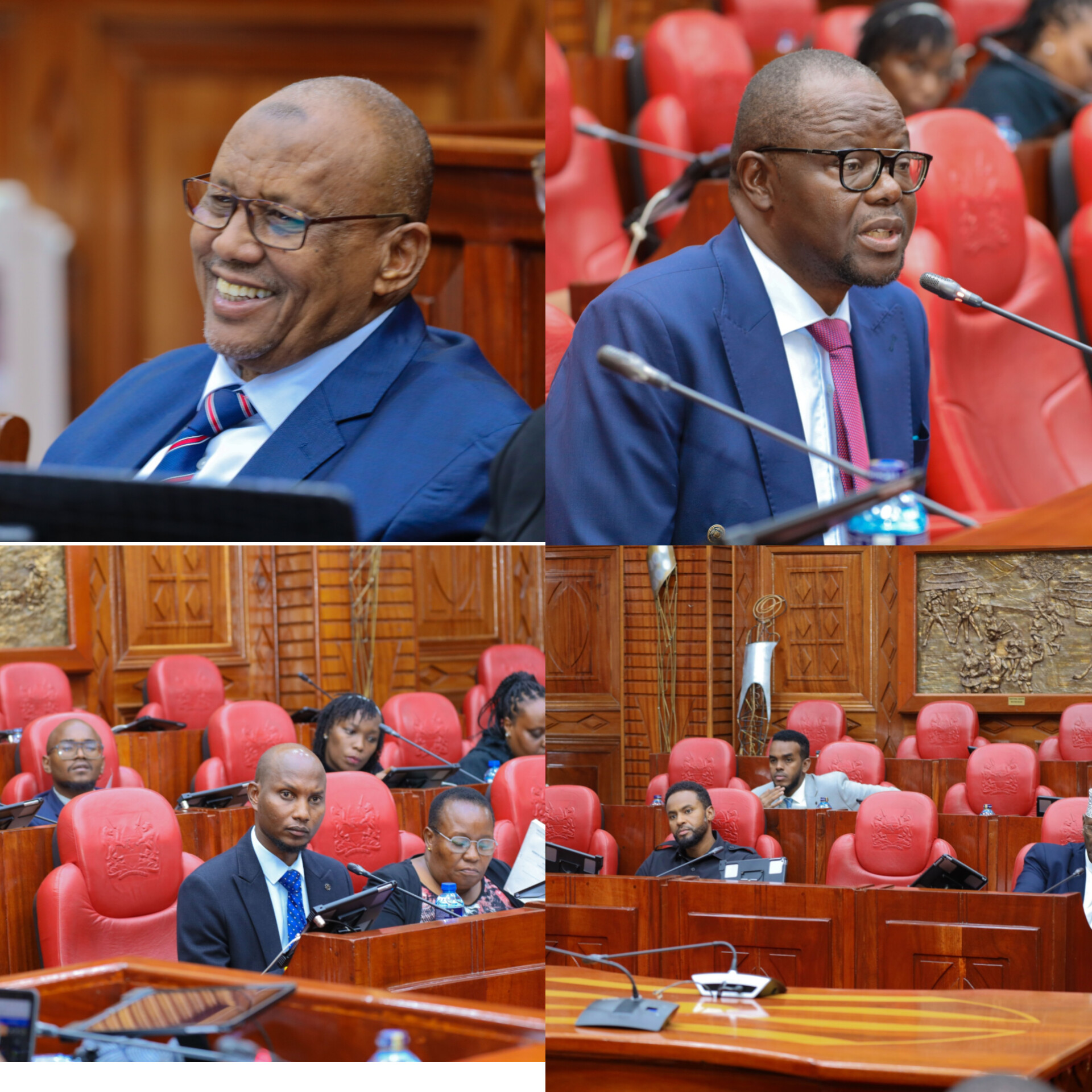
The meeting brought together key devolution stakeholders, including the Council of Governors (CoG) represented by Migori Governor Achillo Ayacko, the State Department of Devolution represented by Principal Secretary Michael Lenasalon, the County Assemblies Forum (CAF) represented by Kitui County Assembly Speaker Kevin Katisya, and representatives from the Law Society of Kenya (LSK) represented by Counsel Vincent Githaiga, all seeking to dissect a piece of legislation that aims to overhaul county operations and eliminate administrative gridlock.
Governor Ayacko opened the dialogue by highlighting the bureaucratic paralysis that often traps new administrations, arguing that inherited County Public Service Boards frequently become an "impediment to the governor to carry out some of his duties in terms of employment, because the previous government created that board."
This misalignment, he explained, often forces counties into expensive settlements, as the governor is forced to push them out of office and pay them for the period of time, which is another expense to the county. To address this, Clause 8 of the Bill proposes reducing board terms from six years to five years to better align with electoral cycles.
However, PS Michael Lenasalon and the Law Society of Kenya (LSK) voiced strong caution regarding the independence of these boards, warning against the concentration of power. “Without the necessary checks, the governor will create a very powerful governor who cannot be checked,” the Devolution PS submitted
The LSK echoed this need for balance, suggesting that any extension of service beyond the proposed five-year term, such as a six-month holdover period, should be strictly regulated. They insisted that "there should be proper reasons for the chair for the board to be allowed to continue existing past six years.”
The debate grew sharper over Clause 2, which proposes penalties for governors who fail to assent to Bills. The CoG representative strongly opposed these sanctions, warning that introducing them for administrative delays would be a "receipt for antagonism between the executive and the county assembly."
The LSK bolstered this position, arguing that deeming non-publication a "gross violation" of the Constitution is "too punitive and it's inconsistent with the constitutional threshold set by Article 181." They noted that "a mere failure to assent to a Bill within a prescribed time frame does not meet this high threshold" of a serious crime or gross misconduct required for a governor's removal.
Staffing and nominations were also at the forefront of the discussion. While the Devolution PS supported a 14-day nomination timeline for executive members to "cure the prolonged vacancies," the LSK labeled this timeframe unrealistic, proposing instead an extension to 30 days post-swearing-in.
Simultaneously, the County Assemblies Forum (CAF) expressed reservations about the 21-day window given to assemblies to approve nominees, suggesting it be amended to "21 sitting days" to ensure they have sufficient time to be able to consider these names without being bypassed by deemed approval provisions.
The Senator Mohamed Abbas-led Committee also tackled the persistent failure of counties to adhere to the 30% diversity rule, which mandates hiring from non-resident communities. Marsabit Senator Mohamed Chute observed that in many regions, "most of the counties have employed 98% same community," raising urgent questions on how to address the issue of ethnic bias.
While some suggested a centralized oversight body, the LSK remained firm on local autonomy, stating "it is only fair that they can determine and manage people of that county can manage their own affairs" and warning that centralization could be the "birth of taking away the public's vote of counties."
Finally, a sharp exchange occurred over Clause 7, which seeks to cap the number of County Chief Officers at 20. Governor Ayacko questioned the basis of 20, noting that counties are over-regulated by the national superstructure despite the fact that the national government has over 50 Principal Secretaries.
Senators countered this submission by citing instances where a single governor might appoint over 37 CEOs, like in the case of Garissa County, without clear justification. The CoG eventually requested more time to consult its membership and arrive at an agreeable, evidence-based limit.
As the Committee moves toward its reporting deadline of November 27, 2025, it remains tasked with synthesizing these views to promote "more transparent, efficient, and responsive county administrations."